Mustard Oil and Sea Salt for Knee Pain Relief: A Natural Remedy You Need to Try!: Wordplant Living

Knee pain can be a debilitating condition that affects your daily life, making even the simplest tasks feel like climbing a mountain. Whether it’s due to arthritis, injury, or general wear and tear, finding effective relief is crucial. While there are countless over-the-counter medications and treatments available, many people are turning to natural remedies for a more holistic approach. One such remedy that has gained popularity is the combination of mustard oil and sea salt. In this article, we’ll explore how this dynamic duo can help alleviate knee pain, backed by examples and exciting insights!

Understanding Knee Pain

Before diving into the benefits of mustard oil and sea salt, it’s essential to understand the common causes of knee pain. Some of the most prevalent causes include:

Osteoarthritis: A degenerative joint disease that occurs when the cartilage cushioning the knee joint wears down over time.
Rheumatoid Arthritis: An autoimmune condition that causes inflammation in the joints, leading to pain and stiffness.
Injuries: Sprains, strains, and tears can result from sports activities or accidents.
Tendinitis: Inflammation of the tendons around the knee, often due to overuse.

Regardless of the cause, knee pain can significantly impact your quality of life. This is where natural remedies like mustard oil and sea salt come into play.

The Power of Mustard Oil

Mustard oil, derived from the seeds of the mustard plant, has been used for centuries in traditional medicine. It is rich in omega-3 fatty acids, antioxidants, and anti-inflammatory properties, making it an excellent choice for pain relief. Here’s how mustard oil can help with knee pain:

1. Anti-Inflammatory Properties

Mustard oil contains compounds like allyl isothiocyanate, which have potent anti-inflammatory effects. When applied topically, it can help reduce swelling and inflammation in the knee joint. A study published in the *Journal of Medicinal Food* found that mustard oil significantly reduced inflammation in animal models, suggesting its potential for human use.

2. Improved Blood Circulation

The warming effect of mustard oil can enhance blood circulation in the affected area. Improved blood flow means more oxygen and nutrients reach the tissues, promoting healing. A simple massage with mustard oil can stimulate circulation and provide relief from pain.

3. Pain Relief

Mustard oil has been traditionally used as a natural pain reliever. Its warming sensation can help soothe sore muscles and joints. Many people report feeling immediate relief after massaging their knees with mustard oil.

Example: A Personal Story

Take the case of Sarah, a 55-year-old woman who struggled with knee pain due to osteoarthritis. After trying various medications with little success, she decided to give mustard oil a try. She warmed some mustard oil and massaged it into her knees daily. Within a week, she noticed a significant reduction in pain and swelling, allowing her to return to her favorite activities, like gardening and walking her dog.

The Benefits of Sea Salt

Sea salt, harvested from evaporated seawater, is not just a seasoning for your meals; it also offers numerous health benefits. Here’s how sea salt can complement mustard oil for knee pain relief:

1. Mineral-Rich Composition

Sea salt is packed with essential minerals like magnesium, calcium, and potassium, which are vital for joint health. These minerals can help strengthen bones and reduce inflammation, making them an excellent addition to your knee pain relief regimen.

2. Detoxification

Soaking in a warm bath with sea salt can help detoxify the body and reduce muscle tension. The magnesium in sea salt is known to relax muscles and alleviate pain, making it a perfect companion to mustard oil.

3. Enhanced Absorption

When combined with mustard oil, sea salt can enhance the absorption of the oil’s beneficial properties. The salt helps open up the pores in the skin, allowing the mustard oil to penetrate deeper and provide more effective relief.

Example: A Soothing Bath

Imagine coming home after a long day, your knees aching from all the activity. You fill your bathtub with warm water and add a cup of sea salt. As you soak, the warm water relaxes your muscles, while the sea salt works its magic. After just 20 minutes, you step out feeling rejuvenated, with significantly less pain in your knees.

How to Use Mustard Oil and Sea Salt for Knee Pain Relief

Now that you understand the benefits of mustard oil and sea salt, let’s explore how to use them effectively for knee pain relief.

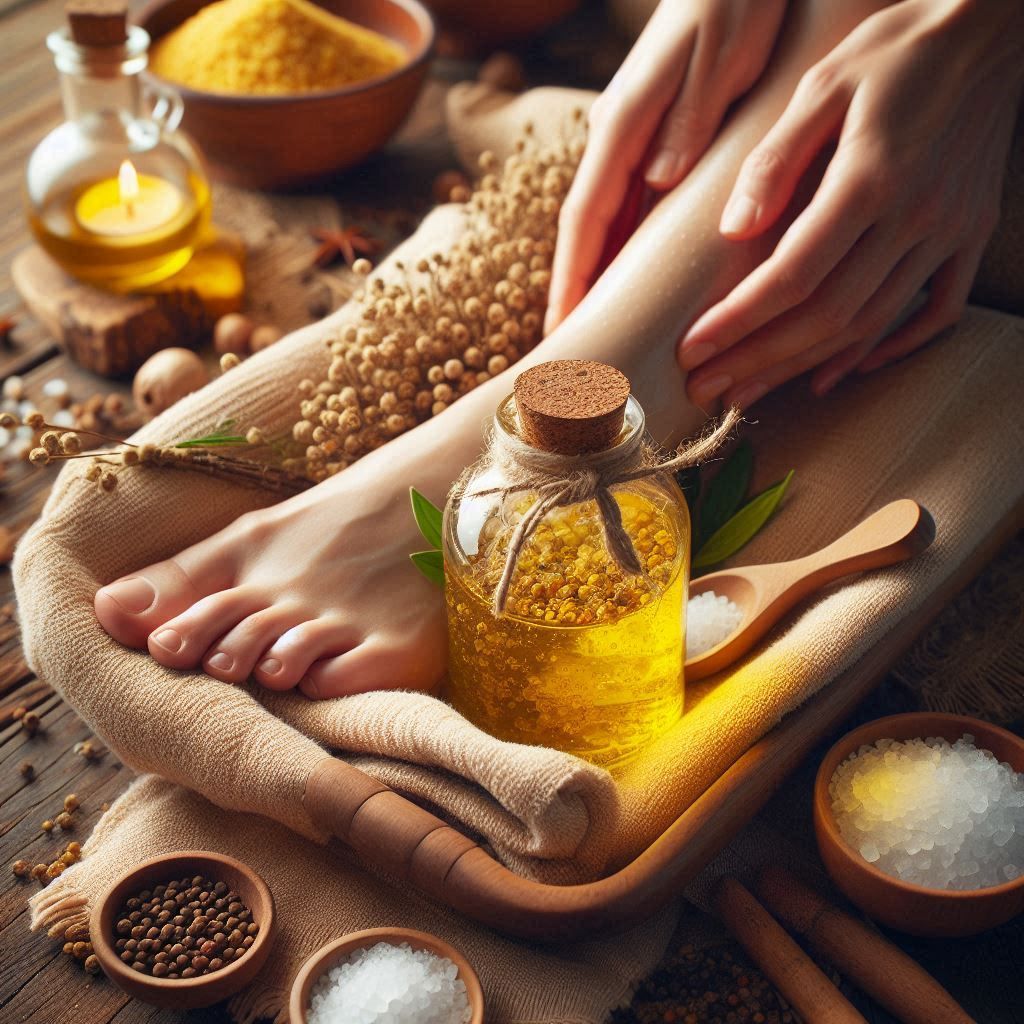
1. Mustard Oil Massage

Ingredients:
– 2 tablespoons of mustard oil
– A few drops of essential oil (optional, for fragrance)

Instructions:
1. Warm the mustard oil in a small pan. Be careful not to overheat it; it should be warm, not hot.
2. If desired, add a few drops of your favorite essential oil for added benefits and fragrance.
3. Sit in a comfortable position and gently massage the warm oil into your knees using circular motions.
4. Focus on the areas that feel particularly sore or inflamed.
5. Leave the oil on for at least 30 minutes, or overnight for maximum effect.

2. Sea Salt Soak

Ingredients:
– 1 cup of sea salt
– Warm water (enough to fill your bathtub or a large basin)

Instructions:
1. Fill your bathtub or a large basin with warm water.
2. Add the sea salt and stir until it dissolves completely.
3. Soak your knees in the warm saltwater for 15-20 minutes.
4. After soaking, gently pat your knees dry and apply mustard oil for added relief.

3. Mustard Oil and Sea Salt Paste

Ingredients:
– 2 tablespoons of mustard oil
– 1 tablespoon of sea salt

Instructions:
1. In a small bowl, mix the mustard oil and sea salt to form a paste.
2. Apply the paste directly to your knees, focusing on the areas of pain.
3. Leave it on for 30 minutes before rinsing off with warm water.

Precautions and Considerations

While mustard oil and sea salt can be effective for knee pain relief, it’s essential to take some precautions:

Patch Test: Before using mustard oil, perform a patch test on a small area of skin to check for any allergic reactions.
Consult a Doctor: If you have severe knee pain or underlying health conditions, consult a healthcare professional before trying new remedies.
Avoid Open Wounds: Do not apply mustard oil or sea salt to open wounds or broken skin.

Conclusion

Knee pain can be a challenging condition to manage, but natural remedies like mustard oil and sea salt offer a promising solution. With their anti-inflammatory properties, ability to improve circulation, and mineral-rich composition, this dynamic duo can provide much-needed relief. Whether you choose to massage mustard oil into your knees, soak in a warm sea salt bath, or create a soothing paste, you’ll be taking a step toward a more comfortable and active life.

So why not give it a try? Join the countless individuals who have found relief through this natural remedy. Say goodbye to knee pain and hello to a more vibrant, pain-free life! Remember, your knees carry you through life—treat them well!


Open Communication in a Couple’s Relationship: The Key to Lasting Love: Wordplant Living

In any romantic relationship, open communication is the cornerstone of a healthy and lasting partnership. Whether you’re newlyweds or have been together for years, fostering an environment where both partners feel comfortable expressing their thoughts and feelings can significantly enhance your connection. In this blog post, we’ll explore the importance of open communication in a couple’s relationship, practical tips to improve it, and how it can lead to a more fulfilling love life.

Why Open Communication Matters

Open communication is essential for several reasons:

1. Builds Trust: When partners communicate openly, they create a safe space for vulnerability. This trust allows both individuals to share their true selves without fear of judgment.

2. Prevents Misunderstandings: Clear communication helps to clarify intentions and feelings, reducing the chances of misunderstandings that can lead to conflict.

3. Enhances Emotional Intimacy: Sharing thoughts and feelings fosters emotional closeness, making partners feel more connected and understood.

4. Encourages Problem-Solving: Open dialogue allows couples to address issues as they arise, promoting teamwork in finding solutions rather than letting problems fester.

5. Strengthens the Relationship: Ultimately, open communication leads to a deeper bond, making the relationship more resilient against challenges.

Tips for Practicing Open Communication

1. Create a Safe Space

Ensure that both partners feel comfortable expressing their thoughts. Choose a neutral setting and a time when both of you are relaxed and free from distractions.

2. Practice Active Listening

Listening is just as important as speaking. Show your partner that you value their perspective by giving them your full attention, nodding, and responding appropriately.

3. Use “I” Statements

When discussing feelings or concerns, use “I” statements to express your emotions without sounding accusatory. For example, say “I feel neglected when you don’t call” instead of “You never call me.”

4. Be Honest but Kind

Honesty is crucial, but it’s equally important to be kind. Share your thoughts and feelings truthfully while being considerate of your partner’s feelings.

5. Schedule Regular Check-Ins

Make it a habit to check in with each other regularly. This could be a weekly date night or a simple daily chat about your day. Regular communication helps to keep the lines open.

6. Avoid Distractions

When having important conversations, put away phones and turn off the TV. Focus on each other to ensure that both partners feel heard and valued.

7. Be Open to Feedback

Encourage your partner to share their thoughts on your communication style. Be open to constructive criticism and willing to make adjustments.

The Benefits of Open Communication

When couples prioritize open communication, they often experience:

Increased Satisfaction: Partners who communicate openly report higher levels of relationship satisfaction.
Better Conflict Resolution: Open communication leads to healthier discussions about disagreements, resulting in more effective resolutions.
Greater Emotional Support: Couples who share their feelings are better equipped to support each other during tough times.

Conclusion

Open communication is not just a skill; it’s a vital component of a successful relationship. By fostering an environment of trust, understanding, and respect, couples can navigate the complexities of love with greater ease. Remember, it’s never too late to improve your communication skills. Start today, and watch your relationship flourish!

Embracing Holistic Wellness: A Journey to Wholeness: Wordplant Living

The concept of holistic wellness has emerged as a beacon of hope and balance. But what exactly is holistic wellness? It’s more than just a buzzword; it’s a comprehensive approach to health that considers the whole person—mind, body, and spirit. In this article, we’ll explore the principles of holistic wellness, its benefits, and practical ways to incorporate it into your daily life. Get ready to embark on an exciting journey toward a healthier, more balanced you!

What is Holistic Wellness?

Holistic wellness is an integrative approach to health that recognizes the interconnectedness of various aspects of our lives. It emphasizes that true wellness goes beyond the absence of disease; it encompasses physical, emotional, mental, social, and spiritual well-being. This multifaceted approach encourages individuals to take charge of their health by nurturing all dimensions of their being.

The Dimensions of Holistic Wellness

1. Physical Wellness: This dimension focuses on maintaining a healthy body through regular exercise, proper nutrition, and adequate rest. It’s about understanding your body’s needs and responding to them.

2. Emotional Wellness: Emotional wellness involves recognizing, understanding, and managing your emotions. It’s about developing resilience, coping strategies, and a positive mindset.

3. Mental Wellness: Mental wellness is about cognitive health. It includes engaging in activities that stimulate your mind, such as reading, puzzles, or learning new skills.

4. Social Wellness: This dimension emphasizes the importance of relationships and social networks. Building strong connections with family, friends, and community enhances our sense of belonging and support.

5. Spiritual Wellness: Spiritual wellness is about finding purpose and meaning in life. It can involve religious beliefs, personal values, or a connection to nature.

6. Environmental Wellness: This dimension focuses on living in harmony with our surroundings. It encourages us to be mindful of our impact on the environment and to create spaces that promote well-being.

7. Occupational Wellness: Occupational wellness is about finding fulfillment in your work and maintaining a healthy work-life balance. It’s essential to engage in work that aligns with your values and passions.

The Benefits of Holistic Wellness

Adopting a holistic wellness approach can lead to numerous benefits, including:

Improved Physical Health: By focusing on nutrition, exercise, and self-care, you can enhance your physical health and reduce the risk of chronic diseases.

Enhanced Emotional Resilience: Developing emotional wellness helps you navigate life’s challenges with greater ease and confidence.

Increased Mental Clarity: Engaging in activities that stimulate your mind can improve cognitive function and creativity.

Stronger Relationships: Prioritizing social wellness fosters deeper connections and a sense of community.

Greater Life Satisfaction: Finding purpose and meaning in life contributes to overall happiness and fulfillment.

Sustainable Lifestyle Choices: Emphasizing environmental wellness encourages sustainable living practices that benefit both you and the planet.

Practical Ways to Incorporate Holistic Wellness into Your Life

Now that we understand the principles and benefits of holistic wellness, let’s explore some practical ways to incorporate it into your daily routine. Remember, the journey to holistic wellness is personal, and it’s essential to find what resonates with you.

1. Nourish Your Body

Example: Start your day with a nutrient-dense breakfast. Consider a smoothie packed with spinach, banana, almond milk, and a scoop of protein powder. This energizing meal fuels your body and sets a positive tone for the day.

Tip: Experiment with meal prepping to ensure you have healthy options readily available throughout the week.

2. Move Your Body

Example: Find a physical activity that you genuinely enjoy. Whether it’s dancing, hiking, yoga, or cycling, make it a regular part of your routine. For instance, join a local dance class to meet new people while staying active.

Tip: Aim for at least 30 minutes of moderate exercise most days of the week. Mix it up to keep things exciting!

3. Cultivate Emotional Awareness

Example: Start a daily journaling practice. Spend a few minutes each day reflecting on your thoughts and feelings. This simple act can help you process emotions and gain clarity.

Tip: Consider using prompts like “What am I grateful for today?” or “What challenges did I face, and how did I overcome them?”

4. Stimulate Your Mind

Example: Set aside time each week to engage in a new hobby or learn a new skill. Whether it’s painting, playing a musical instrument, or taking an online course, challenge your brain to grow.

Tip: Join a local book club to combine social interaction with mental stimulation.

5. Foster Meaningful Connections

Example: Schedule regular catch-ups with friends or family. Whether it’s a coffee date or a virtual hangout, prioritize nurturing your relationships.

Tip: Volunteer for a local charity or community organization. This not only helps others but also expands your social network.

6. Explore Your Spiritual Side

Example: Dedicate time for mindfulness or meditation. Start with just five minutes a day, focusing on your breath and being present in the moment.

Tip: Explore different spiritual practices, such as yoga, tai chi, or nature walks, to find what resonates with you.

7. Create a Healthy Work-Life Balance

Example: Set boundaries around your work hours. If you work from home, designate a specific workspace and stick to your schedule to avoid burnout.

Tip: Incorporate short breaks throughout your workday to recharge and refocus.

8. Be Mindful of Your Environment

Example: Declutter your living space. A tidy environment can reduce stress and promote a sense of calm.

Tip: Incorporate plants into your home or workspace. They not only improve air quality but also enhance your mood.

Holistic Wellness in Action: Real-Life Examples

To truly understand the impact of holistic wellness, let’s look at some inspiring real-life examples of individuals who have embraced this approach.

Example 1: Sarah’s Journey to Wellness

Sarah, a busy marketing executive, found herself feeling overwhelmed and burnt out. She decided to take a step back and reassess her life. By incorporating holistic wellness practices, she transformed her routine. She started meal prepping healthy lunches, joined a local yoga class, and began journaling her thoughts. Over time, Sarah noticed a significant improvement in her energy levels, mood, and overall well-being. She even formed deeper connections with her colleagues through shared wellness activities.

Example 2: Mark’s Mindful Transformation

Mark, a father of two, struggled with stress and anxiety. He realized that he needed to prioritize his mental and emotional health. He began practicing mindfulness meditation for just ten minutes each morning. Additionally, he made it a point to spend quality time with his family, engaging in outdoor activities like hiking and biking. As a result, Mark felt more present and connected with his loved ones, leading to a more fulfilling family life.

Example 3: Lisa’s Sustainable Lifestyle

Lisa, an environmental enthusiast, wanted to align her lifestyle with her values. She embraced holistic wellness by focusing on environmental health. She started a community garden, where neighbors could grow their own produce. Lisa also educated herself on sustainable living practices, such as reducing waste and using eco-friendly products. Her efforts not only improved her well-being but also fostered a sense of community and connection with nature.

Conclusion: Your Holistic Wellness Journey Awaits

Holistic wellness is a transformative journey that invites you to explore the interconnectedness of your mind, body, and spirit. By embracing this comprehensive approach, you can cultivate a life filled with balance, joy, and fulfillment. Remember, the path to holistic wellness is unique to each individual, so take the time to discover what resonates with you.

As you embark on this exciting journey, keep in mind that small, consistent changes can lead to significant transformations. Whether it’s nourishing your body, fostering meaningful connections, or exploring your spiritual side, every step you take brings you closer to a more vibrant and harmonious life.

So, are you ready to embrace holistic wellness? Your journey to wholeness begins now!

Transform Your Life with Personalized Wellness: Wordplant Living Newsletter

Wordplant Newsletter

Dear Wordplant Community,

Welcome to this week’s  edition of Wordplant, where we explore the transformative power of personalized wellness! In a world filled with one-size-fits-all solutions, we believe that true health and well-being come from understanding and nurturing your unique self.

What is Personalized Wellness

Personalized wellness is an approach that tailors health strategies to fit your individual needs, preferences, and lifestyle. It recognizes that each person is different, and what works for one may not work for another. By focusing on your unique physical, emotional, and mental health requirements, you can create a holistic wellness plan that truly resonates with you.

Why Choose Personalized Wellness?

1. Empowerment: Taking charge of your health journey allows you to make informed decisions that align with your values and goals.
 
2. Sustainability: Personalized plans are more likely to be sustainable in the long run, as they consider your lifestyle, habits, and preferences.

3. Holistic Approach: This method addresses all aspects of well-being—physical, emotional, social, and spiritual—leading to a more balanced life.

Steps to Create Your Personalized Wellness Plan

1. Self-Assessment: Start by evaluating your current health status, lifestyle, and wellness goals. Consider factors like diet, exercise, sleep, stress levels, and emotional well-being.

2. Set Clear Goals: Define what you want to achieve. Whether it’s improving your fitness, managing stress, or enhancing your nutrition, having clear goals will guide your journey.

3. Seek Professional Guidance: Consider consulting with wellness coaches, nutritionists, or health professionals who can provide personalized advice and support.

4. Experiment and Adapt: Wellness is not a destination but a journey. Be open to trying new things and adjusting your plan as you learn what works best for you.

5. Track Your Progress: Keep a journal or use wellness apps to monitor your progress. Celebrate your achievements, no matter how small!

Spotlight: Success Stories from Our Community

This month, we’re thrilled to share inspiring stories from members of the Wordplant community who have embraced personalized wellness:

Sarah’s Journey: After struggling with anxiety, Sarah worked with a wellness coach to develop a mindfulness practice tailored to her lifestyle. She now incorporates meditation and journaling into her daily routine, leading to a significant reduction in stress.

Mark’s Transformation: Mark, a busy professional, found it challenging to maintain a healthy diet. By collaborating with a nutritionist, he created a meal plan that fits his schedule and preferences, resulting in improved energy levels and overall health.

Join Our Upcoming Webinar!

We’re excited to announce our upcoming webinar, “Crafting Your Personalized Wellness Plan,” on 24th October 2024. Join us for an interactive session where you’ll learn how to assess your wellness needs, set achievable goals, and create a plan that works for you. Reserve your spot today!

Final Thoughts

At Wordplant Living, we believe that everyone deserves to thrive. By embracing personalized wellness, you can unlock your full potential and lead a healthier, happier life. Remember, your journey is unique—embrace it!

Thank you for being a part of our community. We look forward to supporting you on your wellness journey!

Warm regards,

The Wordplant Living Team

Contacts:
Email: wordplantliving@gmail.com

Whatsapp/Call: 0726530868

Website : wordplantliving.com

Transform your life, one word at a time.

Wild Sage (Clerodendrum eriophylum) : Wordplant Living

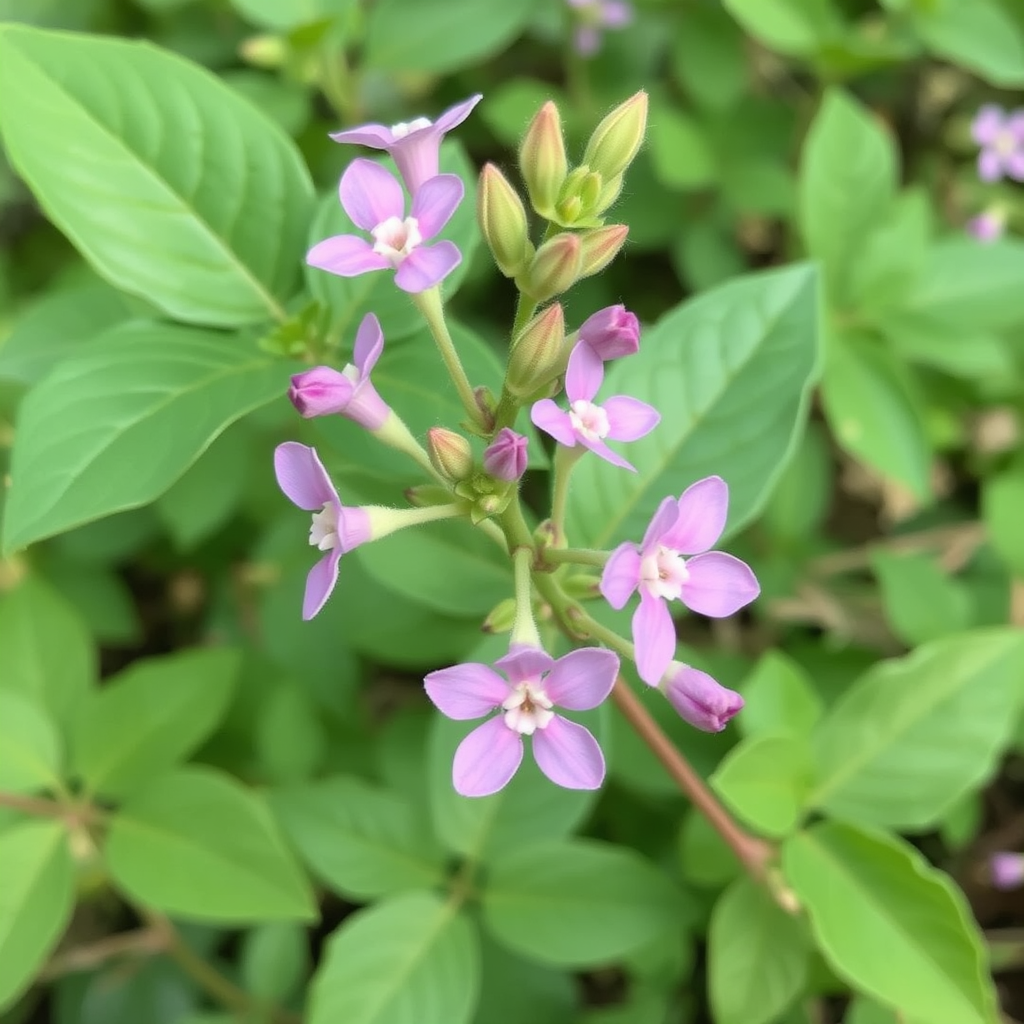
Clerodendrum eriophylum, commonly referred to as wild sage, is a plant species belonging to the family Lamiaceae. It is noteworthy for its aromatic leaves, traditional medicinal use, and ecological importance. This article delves into a comprehensive description of the plant, its nutritional aspects, medicinal benefits supported by scientific evidence, precautions for its use, and a summary of its overall viability and role in both traditional and modern contexts.

Description

Clerodendrum eriophylum is primarily known for its lush green foliage and aromatic properties. It is a perennial shrub that typically grows in tropical and subtropical regions, predominantly found in parts of Africa, Southeast Asia, and South America. Here are the key features:

– **Morphology**: The plant can grow between 1 to 3 meters tall. The stems are quadrangular, and the leaves are opposite, ovate to elliptic, measuring around 8 to 15 cm in length. The leaf surface is often slightly hairy, contributing to the aromatic nature of the plant.

– **Flowers**: The plant produces small, white to light blue flowers that are clustered in inflorescences. The flowers are tubular, with five lobes, and they bloom in cycles, attracting a variety of pollinators, including bees and butterflies.

– **Fruits**: The fruit is a small drupe that matures to a dark blue or purple color. Each fruit contains a single seed, which is dispersed by birds and other animals.

– **Habitat**: Wild sage typically thrives in well-drained soils and is often found in forested regions, along roadsides, and in disturbed areas where it can take advantage of available sunlight. It prefers humid conditions but can tolerate moderate drought.

Nutrition

Clerodendrum eriophylum is not widely recognized as a food source, but it possesses components that can be beneficial from a nutritional standpoint. The leaves, which are most commonly utilized, include various phytochemicals that could contribute to overall health.

– **Vitamins and Minerals**: While specific quantitative analyses are limited, wild sage leaves are believed to contain significant amounts of vitamins A and C, both of which are essential for immune function and skin health. The presence of iron, calcium, and magnesium may also be inferred from similar species in the Clerodendrum genus.

– **Phytochemicals**: The leaves contain various secondary metabolites, including flavonoids, tannins, and saponins. These compounds are known for their antioxidant, anti-inflammatory, and antimicrobial properties.

Despite these nutritional components, consumption of Clerodendrum eriophylum is generally rare and should be approached with caution unless advised by a knowledgeable expert.

Medicinal Benefits

Clerodendrum eriophylum has a long history of use in traditional medicine across different cultures. While many of its benefits are anecdotal, an increasing body of scientific research is beginning to validate some of these claims. Below are some notable medicinal uses:

1. **Anti-inflammatory Properties**: Various studies have indicated that extracts from Clerodendrum species exhibit significant anti-inflammatory effects. These properties can be attributed to the presence of flavonoids and other bioactive compounds. Inflammation is a common underlying factor in numerous chronic diseases, making this a pertinent area of exploration.

2. **Antioxidant Effects**: Oxidative stress contributes to aging and the development of various diseases, including cancer and cardiovascular disease. Research has shown that the phytochemicals in C. eriophylum provide substantial antioxidant activity, helping to neutralize free radicals in the body.

3. **Antimicrobial Activity**: Preliminary studies suggest that extracts of C. eriophylum exhibit antimicrobial properties against a range of pathogens, including bacteria and fungi. This aspect is very important in the context of increasing antibiotic resistance.

4. **Digestive Health**: Some traditional practices involve the use of wild sage leaves to alleviate digestive problems. The antimicrobial and anti-inflammatory properties could potentially aid in maintaining gut health and alleviating conditions like diarrhea.

5. **Respiratory Health**: The aromatic nature of the leaves and their volatile oils can serve as expectorants, relieving symptoms related to respiratory conditions, such as asthma and bronchitis. In traditional medicine, infusions made from the leaves are often consumed to help clear mucus and improve lung function.

6. **Hypotensive Effects**: Some studies have indicated that extracts of C. eriophylum may reduce blood pressure in animals. This is a crucial potential benefit given the prevalence of hypertension as a risk factor for various cardiovascular diseases.

Scientific Evidence

Fortunately, there have been a growing number of studies focused on the pharmacological properties of Clerodendrum eriophylum. This research has been essential in validating traditional uses and supporting further exploration to determine the underlying mechanisms behind its medicinal benefits.

– **Bioactive Compounds**: Various studies have identified significant phenolic compounds and flavonoids in the leaves and flowers of C. eriophylum, suggesting a strong potential for therapeutic uses. These compounds are often studied in isolation to determine their efficacy and safety.

– **Animal Studies**: Research has often been conducted using animal models to assess the effects of C. eriophylum extracts on inflammation, oxidative stress, and other biological markers. Results have consistently shown beneficial outcomes, contributing to the growing interest in this plant for potential pharmaceutical applications.

– **Clinical Trials**: To date, there have been limited randomized controlled trials in humans specifically focusing on Clerodendrum eriophylum. However, the existing animal studies provide a strong basis for further research needed to explore its effects in human populations.

Precautions

Though Clerodendrum eriophylum holds promise in terms of medicinal benefits, several precautions should be considered before its use:

1. **Limited Research**: Much of the knowledge about C. eriophylum is based on traditional use rather than extensive scientific investigation. As such, it is essential to approach its use cautiously, particularly when using extracts or supplements that are not standardized.

2. **Dosage and Preparation**: There is no established recommended dosage or standard preparation method. Overconsumption or improper preparation could lead to adverse effects, including gastrointestinal disturbances or allergic reactions.

3. **Pregnancy and Lactation**: There is insufficient evidence regarding the safety of C. eriophylum during pregnancy and breastfeeding. Women in these categories should consult healthcare professionals before considering its use.

4. **Interactions with Medications**: The plant may interact with medications, particularly those that are metabolized through the liver or those used for hypertension, anticoagulation, or diabetes. Always consult a healthcare provider before adding new herbal remedies to your routine.

5. **Allergic Reactions**: As with any plant, individuals may experience allergies or hypersensitivity reactions. A patch test is advisable, and those with known allergies to members of the Lamiaceae family should exercise caution.

Summary

Clerodendrum eriophylum, or wild sage, is a plant rich in potential benefits for health and wellness, evidenced by its long history of traditional use and a growing body of scientific research. While it is noted for its anti-inflammatory, antioxidant, antimicrobial, and hypotensive effects, the available literature suggests a need for more rigorous studies, particularly in human trials. The plant’s nutritional aspects also exhibit promise, but its use as a food source remains limited.

Despite its therapeutic potential, caution is warranted. The limited understanding of its safety profile calls for careful consideration, particularly for vulnerable populations such as pregnant women and individuals on medication. As the interest in herbal medicine continues to grow, understanding the benefits and risks associated with C. eriophylum is crucial.

In summary, while Clerodendrum eriophylum holds promise as a natural remedy, it is essential to approach its use with awareness of existing research and potential health implications, and under the guidance of healthcare professionals. Continued investigation into this plant will be vital to unlocking its full therapeutic potential and ensuring safe and effective use in modern medicine and herbal practices.

Garlic: A Natural Remedy for High Blood Pressure – Wordplant Healthy Living

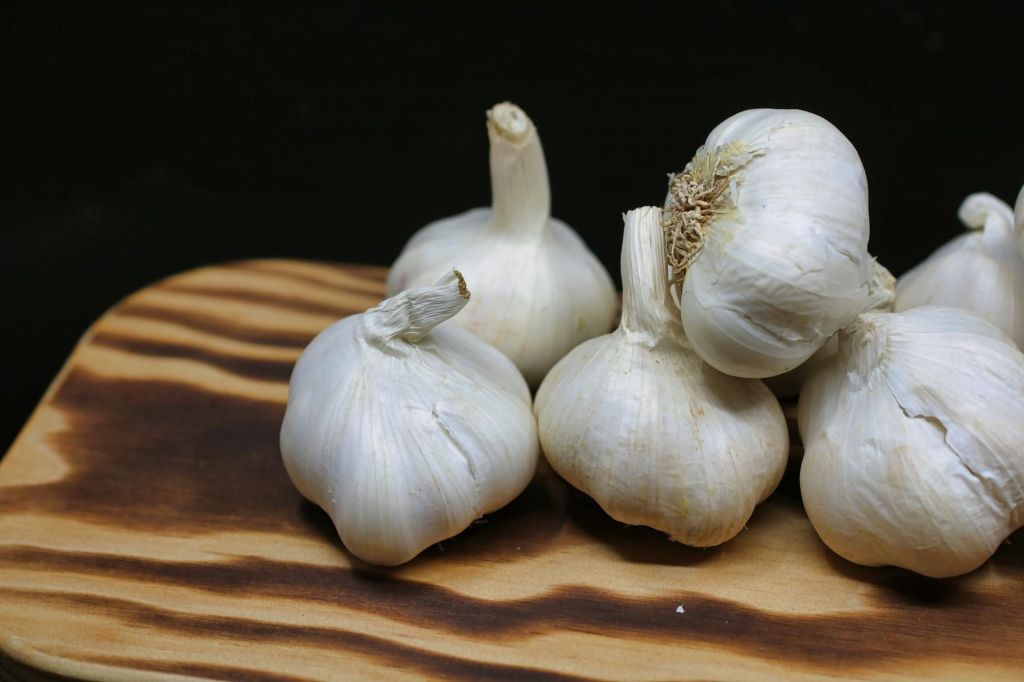
Garlic has been used for centuries as a healing herb, but did you know it can also help lower high blood pressure? Studies have shown that garlic can effectively reduce blood pressure levels, making it a powerful tool in the fight against hypertension.

The Science Behind Garlic’s Blood Pressure-Lowering Effect

Garlic contains a compound called allicin, which is responsible for many of its health benefits, including its blood pressure-lowering effects. Allicin is produced when fresh garlic is crushed or chopped, and it helps to relax blood vessels, improving blood flow and reducing the strain on your heart.

Additionally, garlic acts as a natural vasodilator, meaning it widens blood vessels. This allows for smoother circulation and decreases the workload on the heart, which can lead to a reduction in systolic and diastolic blood pressure. A 2016 review published in the Journal of Nutrition found that garlic supplements reduced systolic blood pressure by an average of 5 to 10 mmHg, making it comparable to some pharmaceutical treatments.

How to Use Garlic to Lower Blood Pressure

Incorporating garlic into your diet is simple and effective. Here are some ways you can use garlic as a natural remedy:

Fresh Garlic: Add raw garlic to salads, soups, or dressings to get the maximum allicin content.
Garlic Supplements: If you prefer not to consume raw garlic, you can take garlic capsules or supplements. Look for supplements with standardized allicin content for the best results.
Garlic Tea: Boil a few cloves of garlic in water, add lemon juice and honey, and enjoy a cup of garlic tea.

Best Practices for Optimal Results

Precautions When Using Garlic for Blood Pressure

While garlic is generally safe for most people, it can have some side effects, especially when consumed in large quantities. Some people may experience digestive discomfort, bloating, or bad breath. Garlic can also thin the blood, so if you’re on blood-thinning medication, consult your doctor before increasing your garlic intake.

Conclusion

Garlic is a simple, natural, and effective remedy for high blood pressure. Its ability to relax blood vessels, improve circulation, and reduce the workload on the heart makes it a powerful ally in managing hypertension. Whether you prefer to eat it raw, take supplements, or drink garlic tea, incorporating this superfood into your lifestyle can make a significant difference in your blood pressure levels.


Hibiscus Tea: A Natural Ally in Blood Pressure Management – Wordplant Healthy Living

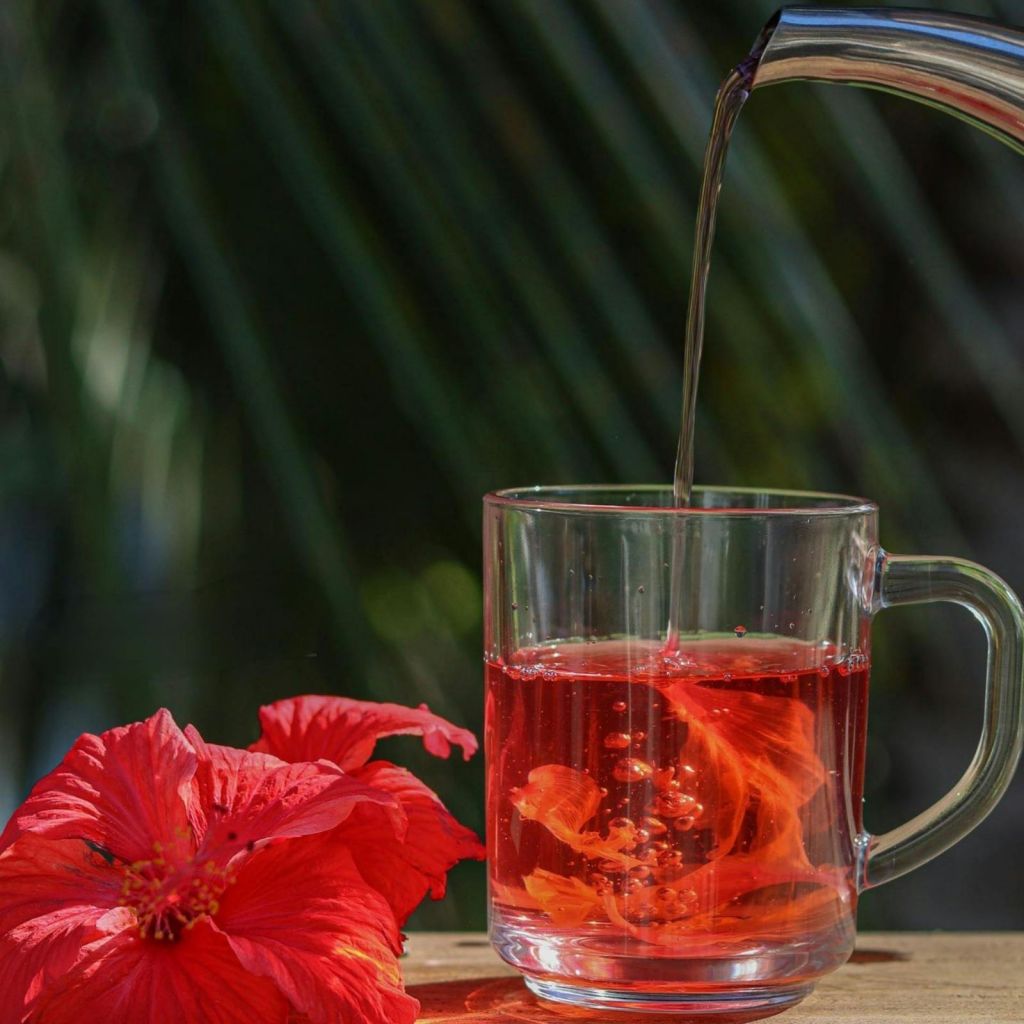
Hibiscus tea, derived from the dried petals of the Hibiscus sabdariffa plant, has gained popularity not only for its vibrant color and tart flavor but also for its potential health benefits. Among these, one of the most significant is its ability to help manage blood pressure. This article delves into the science behind hibiscus tea, its effects on blood pressure, and how it can be incorporated into a healthy lifestyle.

The Science Behind Hibiscus Tea

Hibiscus tea is rich in antioxidants, particularly anthocyanins, which are responsible for its deep red color. These compounds have been studied for their potential health benefits, including anti-inflammatory and anti-hypertensive properties. The tea is also a source of vitamin C and other essential nutrients, making it a nutritious beverage choice.

Mechanism of Action

Research suggests that hibiscus tea may lower blood pressure through several mechanisms:

1. Vasodilation: The anthocyanins in hibiscus tea may promote the relaxation of blood vessels, leading to improved blood flow and reduced blood pressure.

2. Diuretic Effect: Hibiscus tea has mild diuretic properties, which can help the body eliminate excess sodium and fluid, further contributing to lower blood pressure levels.

3. Inhibition of Angiotensin-Converting Enzyme (ACE): Some studies indicate that hibiscus extract may inhibit ACE, an enzyme that plays a crucial role in regulating blood pressure. By inhibiting this enzyme, hibiscus tea may help prevent the constriction of blood vessels.

Research Findings

Numerous studies have explored the relationship between hibiscus tea consumption and blood pressure reduction. A systematic review and meta-analysis published in the *Journal of Nutrition* in 2015 analyzed several clinical trials and found that hibiscus tea significantly reduced both systolic and diastolic blood pressure in individuals with prehypertension and mild hypertension.

Key Studies

1. A 2010 Study: Conducted by researchers at the University of Texas, this study involved 65 participants with high blood pressure. Those who consumed three cups of hibiscus tea daily for six weeks experienced a significant reduction in both systolic and diastolic blood pressure compared to the control group.

2. A 2015 Study: Published in the Journal of Hypertension, this research involved 75 participants with prehypertension. The results showed that those who drank hibiscus tea daily for four weeks had a notable decrease in blood pressure levels, with some participants achieving normal blood pressure readings.

3. A 2019 Study: This study focused on the effects of hibiscus tea on individuals with metabolic syndrome. The findings indicated that regular consumption of hibiscus tea not only lowered blood pressure but also improved lipid profiles and reduced markers of inflammation.

Incorporating Hibiscus Tea into Your Diet

Preparation

Making hibiscus tea is simple and can be done using dried hibiscus petals, which are readily available in health food stores or online. Here’s a basic recipe:

Ingredients:
– 1 cup of dried hibiscus petals
– 4 cups of water
– Sweetener (optional, such as honey or stevia)
– Lemon or lime (optional, for added flavor)

Instructions:
1. Boil the water in a pot.
2. Add the dried hibiscus petals and reduce the heat.
3. Let it simmer for about 15-20 minutes.
4. Strain the tea into a pitcher and let it cool.
5. Serve chilled or warm, adding sweetener and citrus if desired.

Daily Consumption

To reap the potential blood pressure-lowering benefits, aim to consume 1-3 cups of hibiscus tea daily. However, it’s essential to consult with a healthcare professional, especially if you are on medication for hypertension, as hibiscus tea may interact with certain medications.

Potential Side Effects and Considerations

While hibiscus tea is generally safe for most people, there are some considerations to keep in mind:

1. Blood Pressure Levels: Individuals with low blood pressure should exercise caution, as hibiscus tea may further lower blood pressure.

2. Pregnancy and Breastfeeding: Pregnant and breastfeeding women should consult their healthcare provider before consuming hibiscus tea, as its effects during pregnancy are not well-studied.

3. Medication Interactions: Hibiscus tea may interact with certain medications, particularly those for hypertension and diabetes. Always consult with a healthcare provider before adding hibiscus tea to your routine if you are on medication.

4. Allergic Reactions: Some individuals may be allergic to hibiscus. If you experience any adverse reactions, discontinue use and consult a healthcare professional.

Lifestyle Factors for Blood Pressure Management

While hibiscus tea can be a beneficial addition to a blood pressure management plan, it should not be viewed as a standalone solution. A holistic approach that includes dietary changes, physical activity, and stress management is essential for optimal health.

Dietary Changes

1. Reduce Sodium Intake: High sodium consumption is linked to elevated blood pressure. Aim to limit processed foods and opt for fresh, whole foods.

2. Increase Potassium-Rich Foods: Foods high in potassium, such as bananas, sweet potatoes, and spinach, can help balance sodium levels and support healthy blood pressure.

3. Adopt a Heart-Healthy Diet: The Mediterranean diet, rich in fruits, vegetables, whole grains, lean proteins, and healthy fats, has been shown to promote cardiovascular health.

Physical Activity

Regular physical activity is crucial for maintaining healthy blood pressure levels. Aim for at least 150 minutes of moderate-intensity aerobic exercise each week, such as brisk walking, cycling, or swimming. Incorporating strength training exercises at least twice a week can also be beneficial.

Stress Management

Chronic stress can contribute to high blood pressure. Incorporating stress-reducing practices such as mindfulness, meditation, yoga, or deep-breathing exercises can help manage stress levels and promote overall well-being.

Conclusion

Hibiscus tea is a flavorful and nutritious beverage that offers potential health benefits, particularly in managing blood pressure. With its rich antioxidant content and various mechanisms of action, hibiscus tea can be a valuable addition to a heart-healthy lifestyle. However, it is essential to approach blood pressure management holistically, incorporating dietary changes, regular physical activity, and stress management techniques. As always, consult with a healthcare professional before making significant changes to your diet or lifestyle, especially if you have existing health conditions or are taking medication. By embracing a comprehensive approach to health, you can harness the benefits of hibiscus tea while promoting overall well-being.


My Personal Successful Journey in Battling Osteoarthritis with Natural Remedies in 2016 – Alfred Okoko

In 2016, I found myself at a crossroads in my life. At the age of 56, I was diagnosed with osteoarthritis, a degenerative joint disease that had begun to take a toll on my daily activities and overall quality of life. The pain was relentless, and the thought of relying on pharmaceuticals for the rest of my life was daunting. I knew I had to take control of my health, and I embarked on a journey to explore natural remedies that would help me manage my condition. This is the story of my successful battle against osteoarthritis using natural methods.

Understanding Osteoarthritis

Before diving into my journey, it’s essential to understand what osteoarthritis is. It is a chronic condition characterized by the breakdown of cartilage in the joints, leading to pain, stiffness, and reduced mobility. Commonly affected areas include the knees, hips, hands, and spine. The diagnosis was a wake-up call for me, as I realized that I needed to make significant lifestyle changes to manage my symptoms effectively.

The Turning Point

The turning point came during a particularly painful episode in early 2016. I was struggling to get out of bed, and the thought of facing another day filled with discomfort was overwhelming. I had been prescribed non-steroidal anti-inflammatory drugs (NSAIDs), but I was wary of their long-term effects. I decided to seek alternative solutions and began researching natural remedies for osteoarthritis.

The Research Phase

My research led me to a wealth of information about various natural remedies, dietary changes, and lifestyle modifications that could help alleviate my symptoms. I discovered that many people had found success with holistic approaches, and I was inspired to try them for myself. I focused on three main areas: diet, exercise, and mindfulness.

Dietary Changes

I learned that what I put into my body could significantly impact my joint health. I began by eliminating processed foods, refined sugars, and unhealthy fats from my diet. Instead, I embraced a whole-foods approach, incorporating plenty of fruits, vegetables, whole grains, lean proteins, and healthy fats.

I also discovered the anti-inflammatory properties of certain foods. Turmeric, ginger, and omega-3 fatty acids became staples in my kitchen. I started adding turmeric to my smoothies and soups, and I made ginger tea to sip throughout the day. I also began taking a high-quality fish oil supplement to boost my omega-3 intake.

Exercise and Movement

While the thought of exercising with osteoarthritis was intimidating, I knew that staying active was crucial for maintaining joint health. I consulted with a physical therapist who specialized in arthritis management. Together, we developed a gentle exercise routine that included low-impact activities such walking.

I started swimming three times a week, which provided a fantastic full-body workout without putting stress on my joints. I also joined a local yoga class, where I learned to focus on flexibility and strength. The combination of these activities not only helped reduce my pain but also improved my overall mood and energy levels.

Mindfulness and Stress Management

I soon realized that managing stress was just as important as diet and exercise. Chronic stress can exacerbate inflammation and pain, so I began incorporating mindfulness practices into my daily routine. I started meditating for ten minutes each morning, focusing on my breath and visualizing my joints as healthy and pain-free.

I also explored other relaxation techniques, such as deep breathing exercises and progressive muscle relaxation. These practices helped me cultivate a sense of calm and resilience, allowing me to better cope with the challenges of living with osteoarthritis.


Living Life Without Arthritis Again

The Transformation

As the months went by, I began to notice significant improvements in my symptoms. By mid-2016, I had more energy, reduced pain levels, and increased mobility. I was able to engage in activities I had previously avoided, such as dancing with friends. The transformation was nothing short of miraculous, and I felt empowered by my ability to take charge of my health.

Building a Support Network

Throughout my journey, I realized the importance of having a support network. I connected with others who were also battling osteoarthritis through online forums and local support groups. Sharing experiences, tips, and encouragement with like-minded individuals provided me with a sense of community and motivation.

I also sought guidance from holistic health practitioners, including a nutritionist and an physiotherapists. Their expertise helped me fine-tune my approach and explore additional natural remedies that complemented my existing regimen.

Celebrating Milestones

As I continued to make progress, I celebrated small milestones along the way. I remember the first time I was able to walk for an hour without pain or discomfort. It felt like a victory, and I treated myself to a spa day to acknowledge my hard work and dedication. These celebrations kept me motivated and reminded me of how far I had come.

The Power of Education

One of the most empowering aspects of my journey was the knowledge I gained about osteoarthritis and natural remedies. I became an advocate for myself, asking questions and seeking information from healthcare professionals. I learned to read labels, understand the ingredients in my food, and make informed choices that aligned with my health goals.

I also began sharing my story with others, hoping to inspire those who were struggling with similar challenges. I started a blog to document my journey, sharing recipes, exercise tips, and mindfulness practices that had worked for me. The feedback I received from readers was heartwarming, and it fueled my passion for helping others.

I also came across a book called ‘ The Osteoarthritis Cure’ by Dr Theodosakis. I really learnt a lot from this book and it also contributed a lot to my program.

Looking Ahead

As I reflect on my journey in 2016, I am filled with gratitude for the lessons I learned and the progress I made. While osteoarthritis is a chronic condition that requires ongoing management, I have developed the tools and strategies to live a fulfilling life. I continue to prioritize my health by maintaining a balanced diet, staying active, and practicing mindfulness.

In the years since my initial diagnosis, I have remained committed to my natural approach. I have explored new remedies, such as essential oils and herbal supplements, and I am always eager to learn more. My journey has taught me that healing is not a destination but a continuous process of growth and self-discovery.

Conclusion

My successful journey in battling osteoarthritis with natural remedies in 2016 was a transformative experience that reshaped my life. By embracing dietary changes, staying active, and practicing mindfulness, I was able to regain control over my health and well-being. I encourage anyone facing similar challenges to explore natural remedies and take charge of their journey. With determination, education, and support, it is possible to live a vibrant and fulfilling life, even in the face of chronic conditions like osteoarthritis.


Olive Leaf Extract: A Natural Ally for Heart Health and Blood Pressure Management – Wordplant Healthy Living

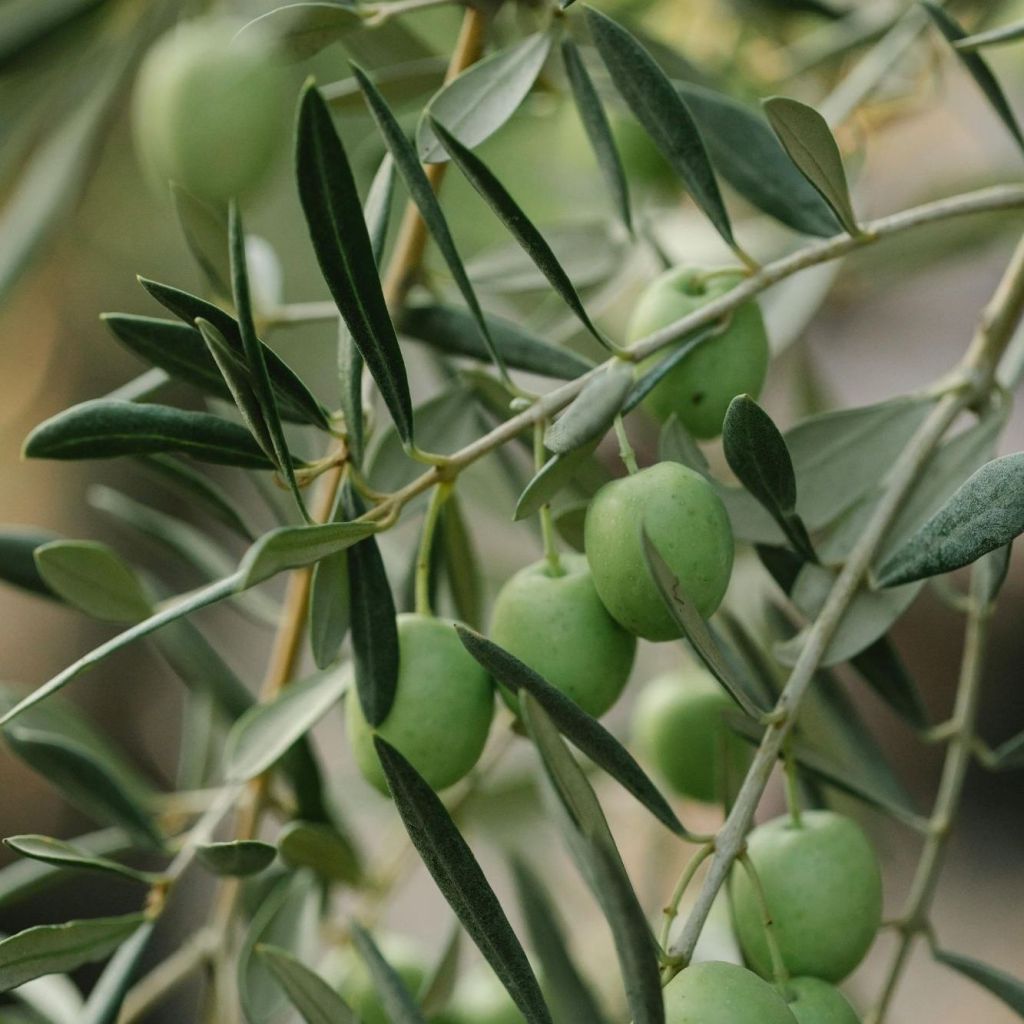
In recent years, there has been a growing interest in natural remedies for various health conditions, particularly those related to cardiovascular health. Among these remedies, olive leaf extract has emerged as a promising candidate. Derived from the leaves of the olive tree (Olea europaea), this extract has been used for centuries in traditional medicine, particularly in Mediterranean cultures. Modern research is beginning to validate its potential benefits, particularly in lowering blood pressure and improving overall heart health.


The Olive Tree: A Historical Perspective

The olive tree has been revered for thousands of years, not only for its fruit and oil but also for its leaves. Ancient civilizations, including the Greeks and Romans, recognized the health benefits of olive leaves, using them in various medicinal preparations. The leaves contain a variety of bioactive compounds, including oleuropein, hydroxytyrosol, and flavonoids, which are believed to contribute to their health-promoting properties.

Understanding Olive Leaf Extract

Olive leaf extract is made by extracting the beneficial compounds from the leaves of the olive tree. The most notable of these compounds is oleuropein, which has been shown to possess antioxidant, anti-inflammatory, and antimicrobial properties. Other important components include flavonoids and phenolic acids, which contribute to the extract’s overall health benefits.

Nutritional Profile

Olive leaf extract is rich in antioxidants, which help combat oxidative stress in the body. This oxidative stress is linked to various chronic diseases, including heart disease. The extract also contains vitamins and minerals, such as vitamin C, vitamin E, and magnesium, which are essential for maintaining overall health.

The Link Between Olive Leaf Extract and Heart Health

1. Blood Pressure Regulation

One of the most significant benefits of olive leaf extract is its potential to lower blood pressure. Several studies have indicated that oleuropein can help relax blood vessels, improving blood flow and reducing the strain on the heart. A study published in the journal *Phytotherapy Research* found that participants who took olive leaf extract experienced a significant reduction in both systolic and diastolic blood pressure compared to those who received a placebo.

The mechanism behind this effect is believed to involve the inhibition of angiotensin-converting enzyme (ACE), which plays a crucial role in regulating blood pressure. By inhibiting ACE, olive leaf extract may help prevent the constriction of blood vessels, leading to lower blood pressure levels.

2. Cholesterol Management

High cholesterol levels are a significant risk factor for heart disease. Olive leaf extract has been shown to have a positive impact on cholesterol levels by reducing LDL (low-density lipoprotein) cholesterol and increasing HDL (high-density lipoprotein) cholesterol. A study published in the *Journal of Nutritional Biochemistry* found that participants who consumed olive leaf extract experienced a notable decrease in total cholesterol and LDL cholesterol levels.

The polyphenols in olive leaf extract are thought to contribute to this effect by enhancing the liver’s ability to metabolize fats and reducing the absorption of cholesterol in the intestines.

3. Anti-Inflammatory Properties

Chronic inflammation is another contributing factor to heart disease. Olive leaf extract possesses potent anti-inflammatory properties, which can help reduce inflammation in the cardiovascular system. Research has shown that oleuropein can inhibit the production of pro-inflammatory cytokines, thereby reducing inflammation and promoting heart health.

4. Antioxidant Effects

Oxidative stress is a significant contributor to the development of cardiovascular diseases. The antioxidants found in olive leaf extract help neutralize free radicals, reducing oxidative damage to cells and tissues. This protective effect can help lower the risk of heart disease and improve overall cardiovascular health.

Additional Health Benefits of Olive Leaf Extract

While its effects on heart health and blood pressure are particularly noteworthy, olive leaf extract offers a range of other health benefits:

1. Immune System Support

Olive leaf extract has been shown to enhance immune function, making it a valuable ally in fighting infections. Its antimicrobial properties can help combat various pathogens, including bacteria, viruses, and fungi.

2. Blood Sugar Regulation

Some studies suggest that olive leaf extract may help regulate blood sugar levels, making it beneficial for individuals with diabetes or those at risk of developing the condition. The extract may improve insulin sensitivity and reduce blood sugar spikes after meals.

3. Weight Management

The anti-inflammatory and antioxidant properties of olive leaf extract may also support weight management. By reducing inflammation and oxidative stress, the extract can help improve metabolic health, making it easier to maintain a healthy weight.

4. Skin Health

The antioxidants in olive leaf extract can benefit skin health by protecting against oxidative damage and promoting a youthful appearance. Some skincare products now incorporate olive leaf extract for its anti-aging properties.

How to Incorporate Olive Leaf Extract into Your Routine

Olive leaf extract is available in various forms, including capsules, liquid extracts, and teas. When choosing a supplement, it is essential to select a high-quality product from a reputable manufacturer. Here are some tips for incorporating olive leaf extract into your routine:

1. Consult with a Healthcare Professional

Before starting any new supplement, it is advisable to consult with a healthcare professional, especially if you have existing health conditions or are taking medications.

2. Follow Recommended Dosages

The appropriate dosage of olive leaf extract can vary depending on the form and concentration of the product. Follow the manufacturer’s instructions and consult with a healthcare provider for personalized recommendations.

3. Combine with a Healthy Lifestyle

For optimal heart health, combine olive leaf extract with a balanced diet, regular exercise, and other heart-healthy practices. A Mediterranean diet rich in fruits, vegetables, whole grains, and healthy fats can complement the benefits of olive leaf extract.

Potential Side Effects and Precautions

While olive leaf extract is generally considered safe for most people, some individuals may experience mild side effects, including gastrointestinal discomfort, headaches, or allergic reactions. It is essential to monitor your body’s response and discontinue use if you experience any adverse effects.

Pregnant or breastfeeding women, as well as individuals with specific health conditions, should consult a healthcare professional before using olive leaf extract.

Conclusion

Olive leaf extract is a powerful natural remedy with the potential to lower blood pressure and improve heart health. Its rich array of bioactive compounds, particularly oleuropein, offers numerous benefits, including blood pressure regulation, cholesterol management, anti-inflammatory effects, and antioxidant protection. As research continues to uncover the full extent of its health benefits, olive leaf extract may become an essential component of a heart-healthy lifestyle.

Incorporating olive leaf extract into your daily routine, alongside a balanced diet and healthy lifestyle choices, can help support your cardiovascular health and overall well-being. As always, consult with a healthcare professional before starting any new supplement to ensure it aligns with your individual health needs.


What Should I Eat to Lose Weight? A Comprehensive Guide – Wordplant Healthy Living

Losing weight can often feel like a daunting task, but understanding the right foods to eat can make the journey more manageable and enjoyable. This article will explore the best dietary choices for weight loss, focusing on nutrient-dense foods, portion control, and sustainable eating habits.

Understanding Weight Loss

Before diving into specific foods, it’s essential to understand the basic principle of weight loss: creating a calorie deficit. This means consuming fewer calories than your body expends. However, not all calories are created equal. The quality of the food you eat plays a significant role in your overall health and weight loss success.

Nutrient-Dense Foods

When aiming to lose weight, prioritize nutrient-dense foods that provide essential vitamins and minerals without excessive calories. Here are some categories of foods to consider:

1. Fruits and Vegetables

Fruits and vegetables are low in calories and high in fiber, making them excellent choices for weight loss. They help you feel full while providing essential nutrients.

– Leafy Greens: Spinach, kale, and Swiss chard are low in calories and high in fiber, which can help reduce hunger.
– **Berries**: Strawberries, blueberries, and raspberries are rich in antioxidants and fiber, making them a sweet yet healthy snack.
– Cruciferous Vegetables: Broccoli, cauliflower, and Brussels sprouts are filling and can be incorporated into various dishes.

2. Lean Proteins

Protein is crucial for weight loss as it helps build and repair tissues and keeps you feeling full longer. Opt for lean protein sources to minimize calorie intake.

– Chicken Breast: Skinless chicken breast is a versatile and low-fat protein source.
– **Fish**: Salmon, mackerel, and sardines are rich in omega-3 fatty acids and protein.
– Legumes: Beans, lentils, and chickpeas are excellent plant-based protein sources that also provide fiber.

3. Whole Grains

Whole grains are more nutritious than refined grains and can help regulate blood sugar levels, keeping hunger at bay.

– Quinoa: A complete protein that is gluten-free and high in fiber.
– Brown Rice: A whole grain that provides energy and essential nutrients.
– Oats: High in soluble fiber, oats can help lower cholesterol and keep you feeling full.

4. Healthy Fats

Incorporating healthy fats into your diet can help you feel satisfied and reduce cravings.

– Avocado: Rich in monounsaturated fats and fiber, avocados can be added to salads or smoothies.
– Nuts and Seeds: Almonds, walnuts, chia seeds, and flaxseeds are nutrient-dense and can be consumed in moderation.
– Olive Oil: A healthy fat that can be used in cooking or as a salad dressing.

Portion Control

Even when eating healthy foods, portion control is vital for weight loss. Here are some strategies to help manage portion sizes:

1. Use Smaller Plates

Using smaller plates can trick your brain into thinking you are eating more than you are, helping to reduce overall calorie intake.

2. Mindful Eating

Practice mindful eating by paying attention to your hunger cues and savoring each bite. This can help prevent overeating and promote a healthier relationship with food.

3. Pre-portion Snacks

Instead of eating directly from a bag, pre-portion snacks into smaller containers. This can help you avoid mindless snacking and keep your calorie intake in check.

Meal Planning and Preparation

Planning your meals in advance can help you make healthier choices and avoid last-minute temptations. Here are some tips for effective meal planning:

1. Create a Weekly Menu

Plan your meals for the week, including breakfast, lunch, dinner, and snacks. This can help you stay organized and ensure you have healthy options available.

2. Batch Cooking

Prepare large batches of healthy meals and freeze portions for later. This can save time and make it easier to stick to your weight loss goals.

3. Healthy Substitutions

Make healthier substitutions in your favorite recipes. For example, use Greek yogurt instead of sour cream or whole grain pasta instead of white pasta.

Hydration

Staying hydrated is essential for overall health and can aid in weight loss. Sometimes, our bodies confuse thirst with hunger, leading to unnecessary snacking. Here are some hydration tips:

1. Drink Water Before Meals

Drinking a glass of water before meals can help you feel fuller and reduce the amount of food you consume.

2. Limit Sugary Drinks

Avoid sugary beverages like soda and fruit juices, which can add unnecessary calories. Opt for water, herbal teas, or black coffee instead.

3. Infuse Water with Flavor

If you find plain water boring, infuse it with fruits, herbs, or cucumber for a refreshing twist.

Sustainable Eating Habits

For long-term weight loss success, it’s crucial to adopt sustainable eating habits rather than relying on fad diets. Here are some strategies to help you maintain a healthy lifestyle:

1. Focus on Whole Foods

Prioritize whole, minimally processed foods over packaged and processed options. Whole foods are generally more nutritious and lower in calories.

2. Listen to Your Body

Learn to recognize your body’s hunger and fullness signals. Eat when you’re hungry and stop when you’re satisfied.

3. Allow for Treats

Incorporate occasional treats into your diet to prevent feelings of deprivation. Moderation is key; enjoy your favorite foods without guilt.

Conclusion

Losing weight is a journey that requires patience, commitment, and a focus on healthy eating habits. By prioritizing nutrient-dense foods, practicing portion control, and adopting sustainable eating habits, you can achieve your weight loss goals while enjoying a variety of delicious foods. Remember, it’s not just about losing weight; it’s about creating a healthier lifestyle that you can maintain for years to come. Always consult with a healthcare professional or a registered dietitian before making significant changes to your diet, especially if you have underlying health conditions.