
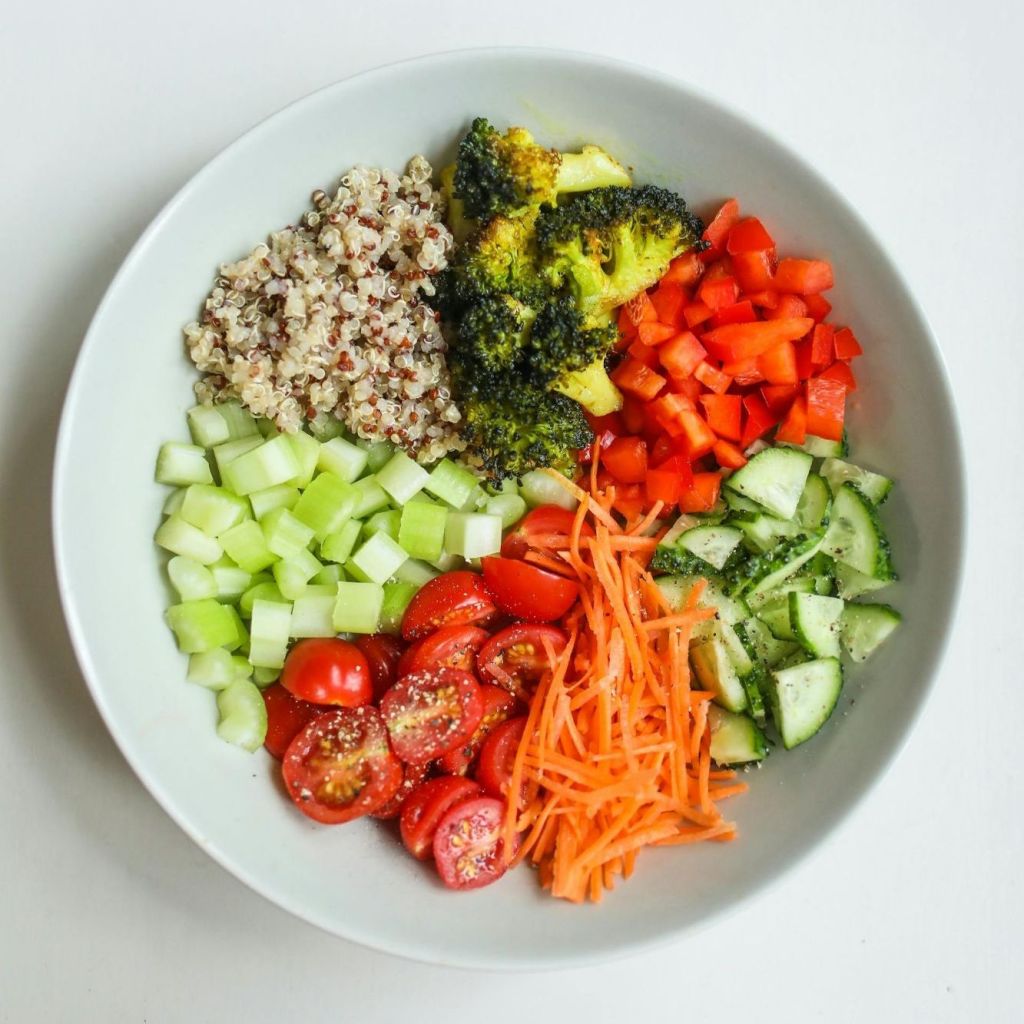
In the past decade, plant-based diets have surged in popularity around the world. From flexitarians to strict vegans, more and more people are embracing the benefits of reducing or eliminating animal products from their plates. Whether you’re considering making the switch yourself or simply curious about the impact of a vegetarian or vegan diet, this comprehensive guide will explore the key advantages and considerations.
Plant-Based Eating
What is a Plant-Based Diet?
At the core, a plant-based diet focuses on consuming foods that come directly from plants rather than animal sources. This can take a few different forms:
Vegetarian Diet: A vegetarian diet excludes meat, poultry, and seafood, but does allow the consumption of dairy products and eggs.
Vegan Diet: A vegan diet goes one step further, eliminating all animal products including dairy, eggs, honey, and any foods containing these ingredients.
Flexitarian Diet: Also known as a “semi-vegetarian” diet, this approach is more flexible, allowing the occasional consumption of meat, poultry, or fish in small amounts while prioritizing plant-based whole foods.
Regardless of the specific approach, all plant-based diets share a common foundation of emphasizing fruits, vegetables, whole grains, legumes, nuts, and seeds. Many people are drawn to these diets for their potential health, environmental, and ethical benefits.
The Health Benefits of Plant-Based Eating
One of the primary drivers behind the surge in plant-based diets is the growing body of research highlighting their positive impacts on human health. Here are some of the key advantages:
- Reduced Risk of Chronic Disease
Several large-scale studies have found that vegetarians and vegans tend to have a lower risk of developing chronic conditions like heart disease, type 2 diabetes, and certain types of cancer compared to their non-vegetarian counterparts.
This is largely attributed to the nutrient-dense, fiber-rich nature of plant-based whole foods, which can help regulate blood sugar, lower cholesterol, and reduce inflammation in the body. Additionally, the avoidance of processed meats and high-fat animal products associated with increased disease risk is a key factor.
- Improved Heart Health
One of the most well-established benefits of a plant-based diet is its positive impact on cardiovascular health. Studies show that vegetarians and vegans tend to have lower blood pressure, cholesterol levels, and body mass index (BMI) – all important risk factors for heart disease.
The high fiber, antioxidant, and phytochemical content of plant foods, combined with the lack of cholesterol and saturated fat found in animal products, contribute to this protective effect. Regularly consuming foods like leafy greens, berries, beans, and whole grains can actively support heart health.
- Better Weight Management
Maintaining a healthy weight is often easier on a plant-based diet. The high fiber and water content of fruits, vegetables, and whole grains can promote feelings of fullness and satiety, making it less likely to overeat. Additionally, the absence of calorie-dense animal fats and processed foods common in Western diets removes a significant source of excess calories.
Research indicates that vegetarians and vegans tend to have lower BMIs and are less likely to be overweight or obese compared to non-vegetarians. This can have far-reaching benefits, as excess weight is a major risk factor for a variety of chronic health problems.
- Improved Gut Health
The human gut is home to a complex ecosystem of trillions of microorganisms, collectively known as the gut microbiome. This community of bacteria, viruses, and fungi plays a crucial role in immune function, nutrient absorption, and overall health.
A plant-based diet, rich in fiber-dense foods, has been shown to foster a more diverse and balanced gut microbiome. In contrast, diets high in processed meats, saturated fats, and refined carbohydrates can contribute to gut dysbiosis, which has been linked to inflammation, autoimmune disorders, and chronic diseases.
Regularly consuming a variety of fruits, vegetables, whole grains, legumes, and fermented foods like kimchi or sauerkraut can nourish the gut and support its crucial functions.
- Potential Cancer Prevention
While more research is still needed, several studies have found associations between plant-based diets and a reduced risk of certain types of cancer. This may be due to the high antioxidant and phytochemical content of plant foods, which can help neutralize cancer-causing free radicals and support healthy cell function.
Vegetarians and vegans appear to have a lower risk of developing colorectal, breast, and prostate cancers compared to non-vegetarians. The specific mechanisms are still being explored, but the anti-inflammatory and hormone-regulating properties of plant-based diets likely play a role.
Environmental and Ethical Considerations
In addition to the potential health benefits, many people are drawn to plant-based diets for their positive environmental impact and ethical considerations surrounding animal welfare.
Environmental Impact
The global food system is a major contributor to climate change, responsible for up to a third of all human-caused greenhouse gas emissions. Animal agriculture, in particular, is a significant driver of this environmental burden, requiring vast amounts of land, water, and resources to produce meat, dairy, and eggs.
In contrast, plant-based diets typically have a much lower carbon footprint. Shifting to a vegetarian or vegan diet can reduce an individual’s food-related emissions by 50% or more. Additionally, plant-based foods generally require less water and land to produce, helping to preserve natural ecosystems and resources.
Ethical Concerns
For many, the choice to adopt a plant-based diet is also rooted in ethical considerations regarding the treatment of animals. Industrial animal farming practices often involve confined, unnatural living conditions and inhumane treatment that many find morally unacceptable.
By eliminating or reducing the demand for animal products, plant-based eaters can take a stand against these practices and support more ethical, humane food production systems. This alignment with personal values and compassion for other living beings is a key driver for many vegetarians and vegans.
Navigating the Transition to a Plant-Based Diet
While the benefits of plant-based eating are compelling, making the transition can seem daunting for some. Here are some tips to help make the switch as smooth as possible:
- Start Slowly
If going fully vegetarian or vegan seems overwhelming, consider a more gradual approach. Begin by cutting out certain animal products, such as red meat or dairy, before working your way towards a more comprehensive plant-based diet.
This allows your taste buds and cooking skills to adjust gradually, making the process more sustainable in the long run. Slowly incorporating more plant-based meals and snacks into your routine can help the transition feel more manageable.
- Explore New Recipes and Ingredients
One of the joys of adopting a plant-based diet is the opportunity to discover new and exciting culinary possibilities. Peruse vegetarian and vegan cookbooks, food blogs, and online recipe databases to find delicious, nutrient-dense meal ideas.
Don’t be afraid to experiment with unfamiliar ingredients like tofu, tempeh, lentils, quinoa, and a wide variety of fruits and vegetables. Expanding your culinary horizons can make the transition feel more adventurous and less restrictive.
- Ensure Adequate Nutrient Intake
While a well-planned plant-based diet can provide all the essential nutrients the body needs, it’s important to be mindful of potential deficiencies, especially for nutrients commonly found in animal products, such as:
- Protein: Ensure adequate intake from sources like beans, lentils, nuts, seeds, and soy-based products.
- Iron: Leafy greens, dried fruits, and fortified cereals are good plant-based iron sources.
- Calcium: Plant-based milk alternatives, leafy greens, and tofu can help meet calcium needs.
- Vitamin B12: This vitamin is primarily found in animal products, so vegetarians and vegans may need to take a supplement or consume B12-fortified foods.
Consulting with a registered dietitian can help identify any potential nutrient gaps and develop a well-balanced plant-based meal plan.
- Stay Hydrated and Active
Transitioning to a plant-based diet often involves an increased fiber intake, which can lead to temporary digestive discomfort if you don’t stay hydrated. Make sure to drink plenty of water throughout the day.
Additionally, maintaining an active lifestyle can help support overall health and ease the adjustment process. Regular exercise not only helps manage weight but can also boost mood, energy levels, and nutrient absorption.
Benefits Beyond Physical Health
While the physical health benefits of plant-based diets are well-documented, adopting a vegetarian or vegan lifestyle can also positively impact other aspects of life:
Mental and Emotional Wellbeing
There is growing evidence that plant-based diets may have a positive effect on mental health. Studies have linked vegetarian and vegan diets to reduced symptoms of depression, anxiety, and stress. The anti-inflammatory properties of plant foods, as well as the potential influence on neurotransmitter function, are believed to contribute to these mental health benefits.
Spiritual and Ethical Alignment
For many people, embracing a plant-based diet is closely tied to their personal values, spiritual beliefs, or ethical principles. The decision to eliminate or reduce animal products can be a powerful expression of compassion, environmental stewardship, and alignment with one’s moral compass.
This sense of purpose and ethical integrity can foster a greater sense of meaning, personal fulfillment, and connection to the world around us.
Culinary Creativity and Exploration
Transitioning to a plant-based diet often sparks a renewed interest and excitement around food and cooking. Exploring new ingredients, experimenting with diverse cuisines, and discovering innovative recipes can reignite a passion for the culinary arts.
This creative outlet can be deeply satisfying, fostering a greater appreciation for the flavors, textures, and nutritional properties of plant-based whole foods.
Conclusion
As the popularity of plant-based diets continues to grow, the compelling evidence for their health, environmental, and ethical benefits is hard to ignore. Whether you’re considering a full transition to vegetarianism or veganism, or simply want to incorporate more plant-based meals into your existing diet, the potential rewards are substantial.
By prioritizing fruits, vegetables, whole grains, legumes, and other nutrient-dense plant foods, you can take proactive steps to support your overall wellbeing, reduce your environmental footprint, and align your food choices with your personal values. With a little planning and culinary exploration, the journey to a plant-based lifestyle can be a truly rewarding and transformative experience.
 Wordplant Healthy Living