
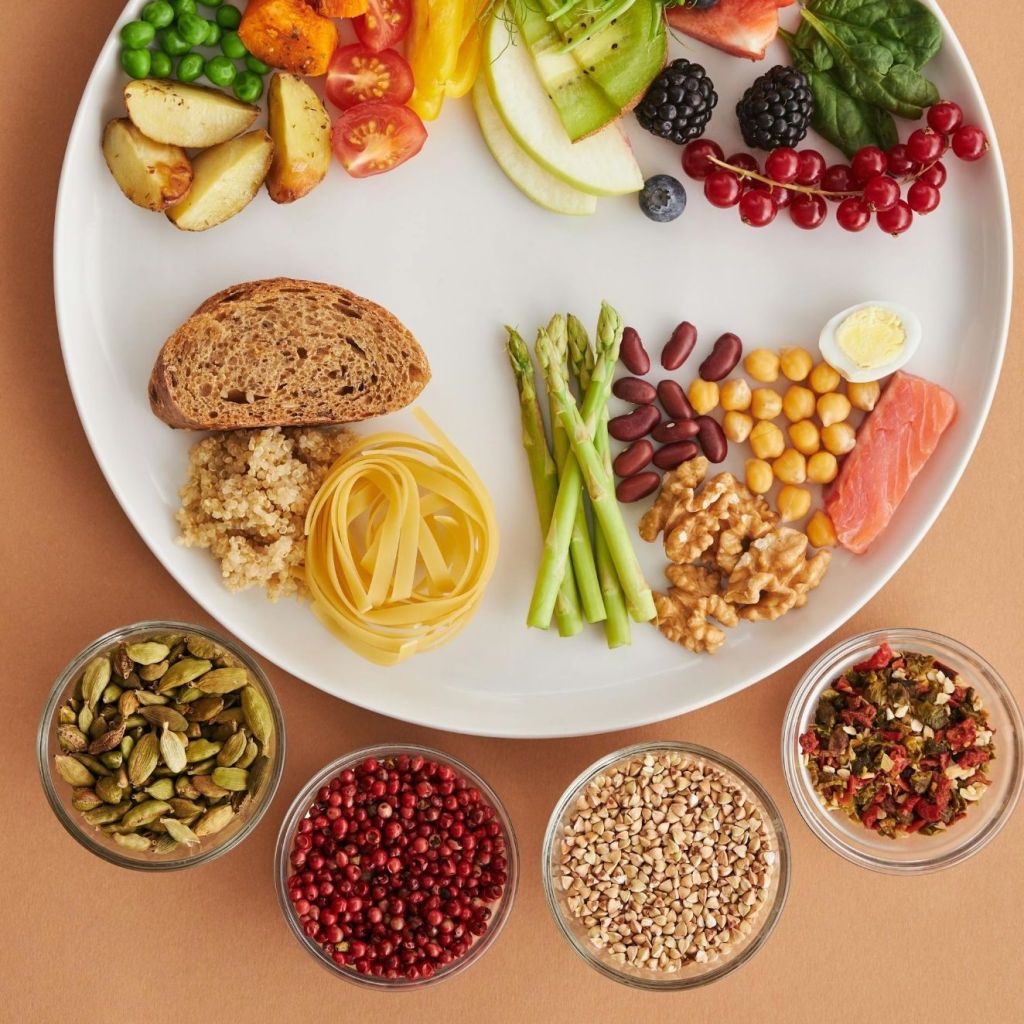
An anti-inflammatory diet emphasizes whole foods that combat inflammation and promote healthy living. This approach prioritizes fruits, vegetables, whole grains, lean proteins, and healthy fats. Foods rich in antioxidants, such as berries, leafy greens, and nuts, help reduce oxidative stress. Incorporating fatty fish like salmon provides omega-3 fatty acids, known for their anti-inflammatory properties. Additionally, spices like turmeric and ginger can enhance flavor while offering health benefits. By minimizing processed foods, refined sugars, and unhealthy fats, this diet fosters a balanced lifestyle, supporting immune function and reducing the risk of chronic diseases. Embrace whole foods for a healthier you in your wellness journey!
The Anti-Inflammatory Diet: Embracing Whole Foods for Better Health
An anti-inflammatory diet rich in whole foods, including fruits, vegetables, and whole grains, can be particularly beneficial for those suffering from arthritis.
Understanding Inflammation and Arthritis
Inflammation is a natural response of the body’s immune system to injury or infection. However, in the case of arthritis, this inflammation becomes chronic, leading to joint damage and pain. The foods we consume can either exacerbate or mitigate this inflammatory response. Processed foods high in sugar, unhealthy fats, and refined carbohydrates can promote inflammation, while whole foods rich in antioxidants, vitamins, and minerals can help reduce it.
Arthritis is a term that encompasses over 100 different types of joint diseases, with osteoarthritis and rheumatoid arthritis being the most common. Characterized by inflammation, pain, and stiffness in the joints, arthritis can significantly impact an individual’s quality of life. While medical treatments and physical therapies are essential for managing arthritis, dietary choices can also play a crucial role in alleviating symptoms and improving overall health.
The Role of Whole Foods in an Anti-Inflammatory Diet
Whole foods are minimally processed and free from artificial ingredients, making them a cornerstone of a healthy living diet plan. They are nutrient-dense, providing essential vitamins, minerals, and antioxidants that can help combat inflammation. Here’s a closer look at the key components of an anti-inflammatory diet focused on whole foods.
1. Fruits
Fruits are packed with vitamins, minerals, and antioxidants that can help reduce inflammation. Some of the most beneficial fruits for arthritis sufferers include:
– Berries: Blueberries, strawberries, and raspberries are rich in antioxidants called flavonoids, which have been shown to reduce inflammation and oxidative stress.
– Cherries: Tart cherries, in particular, contain anthocyanins, which can lower levels of inflammatory markers in the body.
– Oranges and Citrus Fruits: High in vitamin C, citrus fruits can help protect joints and reduce inflammation.
– Apples: Apples contain quercetin, a flavonoid that has anti-inflammatory properties.
2. Vegetables
Vegetables are another essential component of an anti-inflammatory diet. They are low in calories and high in nutrients, making them ideal for maintaining a healthy weight, which is crucial for reducing stress on the joints. Some particularly beneficial vegetables include:
– Leafy Greens: Spinach, kale, and Swiss chard are rich in vitamins A, C, and K, as well as antioxidants that can help combat inflammation.
– Cruciferous Vegetables: Broccoli, cauliflower, and Brussels sprouts contain sulforaphane, a compound that has been shown to inhibit the production of inflammatory markers.
– Bell Peppers: These colorful vegetables are high in vitamin C and antioxidants, making them excellent for reducing inflammation.
– Beets: Beets are rich in betalains, which have anti-inflammatory properties and can help lower blood pressure.
3. Whole Grains
Whole grains are an excellent source of fiber, which can help reduce inflammation and improve gut health. Unlike refined grains, whole grains retain their bran and germ, providing more nutrients. Some beneficial whole grains include:
– Oats: Rich in beta-glucans, oats can help lower cholesterol levels and reduce inflammation.
– Quinoa: A complete protein, quinoa is high in fiber and contains anti-inflammatory compounds.
– Brown Rice: A good source of magnesium, brown rice can help regulate inflammation in the body.
– Barley: Barley is high in fiber and has been shown to reduce inflammatory markers in the body.
4. Healthy Fats
Incorporating healthy fats into your diet is essential for managing inflammation. Omega-3 fatty acids, in particular, have been shown to reduce joint pain and stiffness. Sources of healthy fats for healthy living include:
– Fatty Fish: Salmon, mackerel, and sardines are rich in omega-3 fatty acids, which can help reduce inflammation.
– Nuts and Seeds: Walnuts, flaxseeds, and chia seeds are excellent sources of omega-3s and can be easily added to meals and snacks.
– Olive Oil: Extra virgin olive oil contains oleocanthal, a compound that has anti-inflammatory properties similar to those of ibuprofen.
5. Legumes
Legumes, such as beans, lentils, and chickpeas, are high in fiber and protein while being low in fat. They are also rich in antioxidants and anti-inflammatory compounds. Incorporating legumes into your diet can help improve overall health and reduce inflammation.
6. Herbs and Spices
Certain herbs and spices are known for their anti-inflammatory properties and can be easily added to meals for flavor and health benefits. Some of the most effective include:
– Turmeric: Curcumin, the active compound in turmeric, has powerful anti-inflammatory effects and can help alleviate arthritis symptoms.
– Ginger: Ginger contains gingerol, which has been shown to reduce inflammation and pain.
– Garlic: Garlic has anti-inflammatory properties and can help boost the immune system.
Foods to Avoid
While focusing on whole foods for healthy living, it’s equally important to avoid certain foods that can exacerbate inflammation. These include:
– Processed Foods: Foods high in sugar, unhealthy fats, and preservatives can promote inflammation.
– Refined Carbohydrates: White bread, pastries, and other refined grains can lead to spikes in blood sugar and increased inflammation.
– Sugary Beverages: Sodas and sweetened drinks can contribute to weight gain and inflammation.
– Excessive Alcohol: While moderate alcohol consumption may have some health benefits, excessive intake can lead to inflammation and other health issues.
Meal Planning for an Anti-Inflammatory Diet
Creating a meal plan focused on whole foods can help simplify the process of adopting an anti-inflammatory diet in your wellness journey. Here’s a sample one-day meal plan:
Breakfast
– Oatmeal topped with berries and walnuts: Cook rolled oats in water or almond milk, and top with fresh blueberries, sliced strawberries, and a handful of walnuts for added omega-3s.
Snack
– Apple slices with almond butter: Enjoy a sliced apple with a tablespoon of almond butter for a nutritious and satisfying snack.
Lunch
– Quinoa salad with mixed greens, cherry tomatoes, and avocado: Toss cooked quinoa with fresh spinach, cherry tomatoes, diced avocado, and a drizzle of olive oil and lemon juice.
Snack
– Carrot sticks with hummus: Enjoy fresh carrot sticks with a side of hummus for a healthy and crunchy snack.
Dinner
– Baked salmon with roasted vegetables: Season a salmon fillet with turmeric and garlic, bake it, and serve it alongside roasted Brussels sprouts and sweet potatoes.
Dessert
– Chia seed pudding: Mix chia seeds with almond milk and let it sit overnight. Top with fresh fruit for a delicious and nutritious dessert.
Conclusion
An anti-inflammatory diet focused on whole foods can be a powerful tool for managing arthritis symptoms. By incorporating a variety of fruits, vegetables, whole grains, healthy fats, legumes, and anti-inflammatory herbs and spices, individuals can reduce inflammation, improve joint health, and enhance their overall healthy living and well-being. While dietary changes alone may not cure arthritis, they can significantly complement medical treatments and lifestyle modifications, leading to a better quality of life in your wellness journey. Always consult with a healthcare professional or a registered dietitian before making significant changes to your diet, especially if you have existing health conditions.

- Mustard Oil and Sea Salt for Knee Pain Relief: A Natural Remedy You Need to Try!: Wordplant LivingKnee pain can be a debilitating condition that affects your daily life, making even the simplest tasks feel like climbing a mountain. Whether it’s due to arthritis, injury, or general wear and tear, finding effective relief is crucial. While there are countless over-the-counter medications and treatments available, many people are turning to natural remedies for …
- Open Communication in a Couple’s Relationship: The Key to Lasting Love: Wordplant LivingIn any romantic relationship, open communication is the cornerstone of a healthy and lasting partnership. Whether you’re newlyweds or have been together for years, fostering an environment where both partners feel comfortable expressing their thoughts and feelings can significantly enhance your connection. In this blog post, we’ll explore the importance of open communication in a …
- Embracing Holistic Wellness: A Journey to Wholeness: Wordplant LivingThe concept of holistic wellness has emerged as a beacon of hope and balance. But what exactly is holistic wellness? It’s more than just a buzzword; it’s a comprehensive approach to health that considers the whole person—mind, body, and spirit. In this article, we’ll explore the principles of holistic wellness, its benefits, and practical ways …
Continue reading Embracing Holistic Wellness: A Journey to Wholeness: Wordplant Living
- Transform Your Life with Personalized Wellness: Wordplant Living NewsletterWordplant Newsletter Dear Wordplant Community, Welcome to this week’s edition of Wordplant, where we explore the transformative power of personalized wellness! In a world filled with one-size-fits-all solutions, we believe that true health and well-being come from understanding and nurturing your unique self. What is Personalized Wellness Personalized wellness is an approach that tailors health …
Continue reading Transform Your Life with Personalized Wellness: Wordplant Living Newsletter
- Wild Sage (Clerodendrum eriophylum) : Wordplant LivingClerodendrum eriophylum, commonly referred to as wild sage, is a plant species belonging to the family Lamiaceae. It is noteworthy for its aromatic leaves, traditional medicinal use, and ecological importance. This article delves into a comprehensive description of the plant, its nutritional aspects, medicinal benefits supported by scientific evidence, precautions for its use, and a …
Continue reading Wild Sage (Clerodendrum eriophylum) : Wordplant Living
 Wordplant Healthy Living