
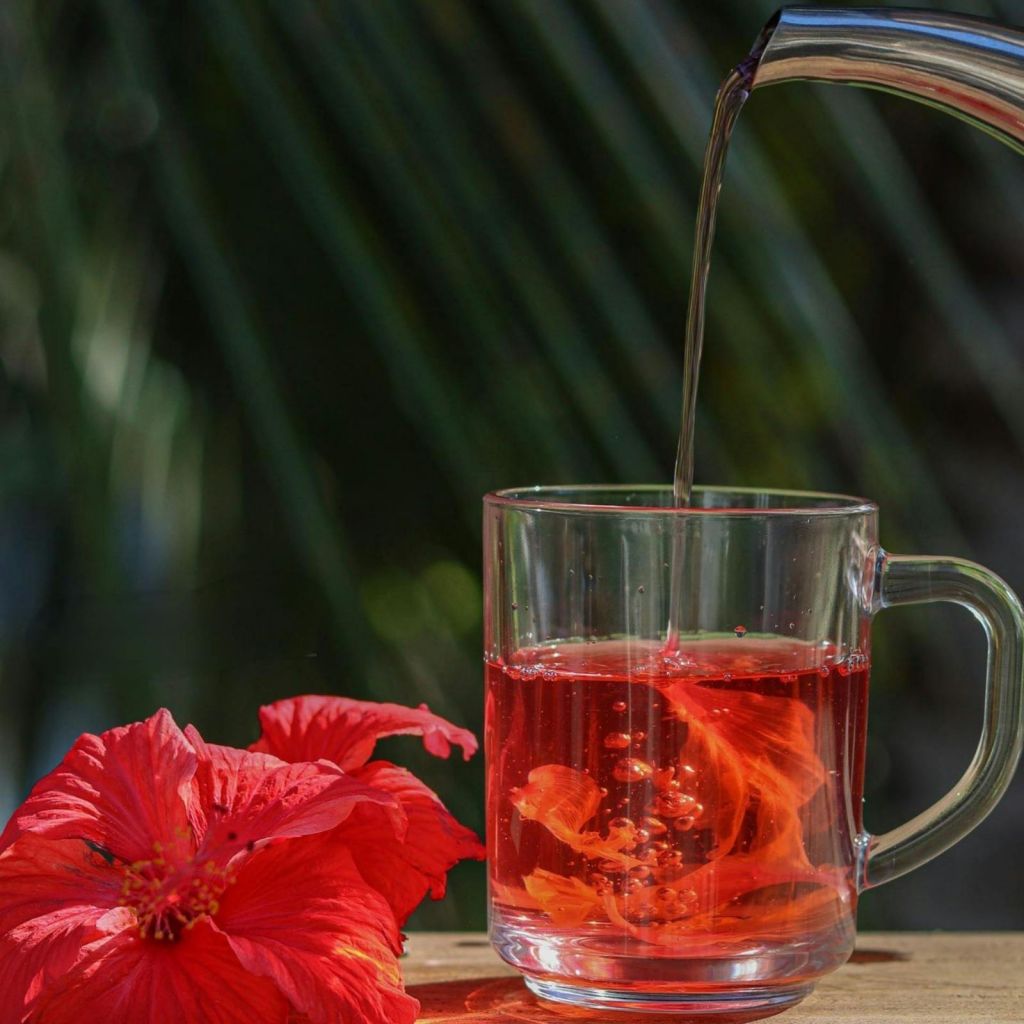
Hibiscus tea, derived from the dried petals of the Hibiscus sabdariffa plant, has gained popularity not only for its vibrant color and tart flavor but also for its potential health benefits. Among these, one of the most significant is its ability to help manage blood pressure. This article delves into the science behind hibiscus tea, its effects on blood pressure, and how it can be incorporated into a healthy lifestyle.
The Science Behind Hibiscus Tea
Hibiscus tea is rich in antioxidants, particularly anthocyanins, which are responsible for its deep red color. These compounds have been studied for their potential health benefits, including anti-inflammatory and anti-hypertensive properties. The tea is also a source of vitamin C and other essential nutrients, making it a nutritious beverage choice.
Mechanism of Action
Research suggests that hibiscus tea may lower blood pressure through several mechanisms:
1. Vasodilation: The anthocyanins in hibiscus tea may promote the relaxation of blood vessels, leading to improved blood flow and reduced blood pressure.
2. Diuretic Effect: Hibiscus tea has mild diuretic properties, which can help the body eliminate excess sodium and fluid, further contributing to lower blood pressure levels.
3. Inhibition of Angiotensin-Converting Enzyme (ACE): Some studies indicate that hibiscus extract may inhibit ACE, an enzyme that plays a crucial role in regulating blood pressure. By inhibiting this enzyme, hibiscus tea may help prevent the constriction of blood vessels.
Research Findings
Numerous studies have explored the relationship between hibiscus tea consumption and blood pressure reduction. A systematic review and meta-analysis published in the *Journal of Nutrition* in 2015 analyzed several clinical trials and found that hibiscus tea significantly reduced both systolic and diastolic blood pressure in individuals with prehypertension and mild hypertension.
Key Studies
1. A 2010 Study: Conducted by researchers at the University of Texas, this study involved 65 participants with high blood pressure. Those who consumed three cups of hibiscus tea daily for six weeks experienced a significant reduction in both systolic and diastolic blood pressure compared to the control group.
2. A 2015 Study: Published in the Journal of Hypertension, this research involved 75 participants with prehypertension. The results showed that those who drank hibiscus tea daily for four weeks had a notable decrease in blood pressure levels, with some participants achieving normal blood pressure readings.
3. A 2019 Study: This study focused on the effects of hibiscus tea on individuals with metabolic syndrome. The findings indicated that regular consumption of hibiscus tea not only lowered blood pressure but also improved lipid profiles and reduced markers of inflammation.
Incorporating Hibiscus Tea into Your Diet
Preparation
Making hibiscus tea is simple and can be done using dried hibiscus petals, which are readily available in health food stores or online. Here’s a basic recipe:
Ingredients:
– 1 cup of dried hibiscus petals
– 4 cups of water
– Sweetener (optional, such as honey or stevia)
– Lemon or lime (optional, for added flavor)
Instructions:
1. Boil the water in a pot.
2. Add the dried hibiscus petals and reduce the heat.
3. Let it simmer for about 15-20 minutes.
4. Strain the tea into a pitcher and let it cool.
5. Serve chilled or warm, adding sweetener and citrus if desired.
Daily Consumption
To reap the potential blood pressure-lowering benefits, aim to consume 1-3 cups of hibiscus tea daily. However, it’s essential to consult with a healthcare professional, especially if you are on medication for hypertension, as hibiscus tea may interact with certain medications.
Potential Side Effects and Considerations
While hibiscus tea is generally safe for most people, there are some considerations to keep in mind:
1. Blood Pressure Levels: Individuals with low blood pressure should exercise caution, as hibiscus tea may further lower blood pressure.
2. Pregnancy and Breastfeeding: Pregnant and breastfeeding women should consult their healthcare provider before consuming hibiscus tea, as its effects during pregnancy are not well-studied.
3. Medication Interactions: Hibiscus tea may interact with certain medications, particularly those for hypertension and diabetes. Always consult with a healthcare provider before adding hibiscus tea to your routine if you are on medication.
4. Allergic Reactions: Some individuals may be allergic to hibiscus. If you experience any adverse reactions, discontinue use and consult a healthcare professional.
Lifestyle Factors for Blood Pressure Management
While hibiscus tea can be a beneficial addition to a blood pressure management plan, it should not be viewed as a standalone solution. A holistic approach that includes dietary changes, physical activity, and stress management is essential for optimal health.
Dietary Changes
1. Reduce Sodium Intake: High sodium consumption is linked to elevated blood pressure. Aim to limit processed foods and opt for fresh, whole foods.
2. Increase Potassium-Rich Foods: Foods high in potassium, such as bananas, sweet potatoes, and spinach, can help balance sodium levels and support healthy blood pressure.
3. Adopt a Heart-Healthy Diet: The Mediterranean diet, rich in fruits, vegetables, whole grains, lean proteins, and healthy fats, has been shown to promote cardiovascular health.
Physical Activity
Regular physical activity is crucial for maintaining healthy blood pressure levels. Aim for at least 150 minutes of moderate-intensity aerobic exercise each week, such as brisk walking, cycling, or swimming. Incorporating strength training exercises at least twice a week can also be beneficial.
Stress Management
Chronic stress can contribute to high blood pressure. Incorporating stress-reducing practices such as mindfulness, meditation, yoga, or deep-breathing exercises can help manage stress levels and promote overall well-being.
Conclusion
Hibiscus tea is a flavorful and nutritious beverage that offers potential health benefits, particularly in managing blood pressure. With its rich antioxidant content and various mechanisms of action, hibiscus tea can be a valuable addition to a heart-healthy lifestyle. However, it is essential to approach blood pressure management holistically, incorporating dietary changes, regular physical activity, and stress management techniques. As always, consult with a healthcare professional before making significant changes to your diet or lifestyle, especially if you have existing health conditions or are taking medication. By embracing a comprehensive approach to health, you can harness the benefits of hibiscus tea while promoting overall well-being.
- Mustard Oil and Sea Salt for Knee Pain Relief: A Natural Remedy You Need to Try!: Wordplant LivingKnee pain can be a debilitating condition that affects your daily life, making even the simplest tasks feel like climbing a mountain. Whether it’s due to arthritis, injury, or general wear and tear, finding effective relief is crucial. While there are countless over-the-counter medications and treatments available, many people are turning to natural remedies for …
- Open Communication in a Couple’s Relationship: The Key to Lasting Love: Wordplant LivingIn any romantic relationship, open communication is the cornerstone of a healthy and lasting partnership. Whether you’re newlyweds or have been together for years, fostering an environment where both partners feel comfortable expressing their thoughts and feelings can significantly enhance your connection. In this blog post, we’ll explore the importance of open communication in a …
- Embracing Holistic Wellness: A Journey to Wholeness: Wordplant LivingThe concept of holistic wellness has emerged as a beacon of hope and balance. But what exactly is holistic wellness? It’s more than just a buzzword; it’s a comprehensive approach to health that considers the whole person—mind, body, and spirit. In this article, we’ll explore the principles of holistic wellness, its benefits, and practical ways …
Continue reading Embracing Holistic Wellness: A Journey to Wholeness: Wordplant Living
- Transform Your Life with Personalized Wellness: Wordplant Living NewsletterWordplant Newsletter Dear Wordplant Community, Welcome to this week’s edition of Wordplant, where we explore the transformative power of personalized wellness! In a world filled with one-size-fits-all solutions, we believe that true health and well-being come from understanding and nurturing your unique self. What is Personalized Wellness Personalized wellness is an approach that tailors health …
Continue reading Transform Your Life with Personalized Wellness: Wordplant Living Newsletter
- Wild Sage (Clerodendrum eriophylum) : Wordplant LivingClerodendrum eriophylum, commonly referred to as wild sage, is a plant species belonging to the family Lamiaceae. It is noteworthy for its aromatic leaves, traditional medicinal use, and ecological importance. This article delves into a comprehensive description of the plant, its nutritional aspects, medicinal benefits supported by scientific evidence, precautions for its use, and a …
Continue reading Wild Sage (Clerodendrum eriophylum) : Wordplant Living
 Wordplant Healthy Living