Garlic has been used for centuries as a healing herb, but did you know it can also help lower high blood pressure? Studies have shown that garlic can effectively reduce blood pressure levels, making it a powerful tool in the fight against hypertension.
The Science Behind Garlic’s Blood Pressure-Lowering Effect
Garlic contains a compound called allicin, which is responsible for many of its health benefits, including its blood pressure-lowering effects. Allicin is produced when fresh garlic is crushed or chopped, and it helps to relax blood vessels, improving blood flow and reducing the strain on your heart.
Additionally, garlic acts as a natural vasodilator, meaning it widens blood vessels. This allows for smoother circulation and decreases the workload on the heart, which can lead to a reduction in systolic and diastolic blood pressure. A 2016 review published in the Journal of Nutrition found that garlic supplements reduced systolic blood pressure by an average of 5 to 10 mmHg, making it comparable to some pharmaceutical treatments.
How to Use Garlic to Lower Blood Pressure
Incorporating garlic into your diet is simple and effective. Here are some ways you can use garlic as a natural remedy:
– Fresh Garlic: Add raw garlic to salads, soups, or dressings to get the maximum allicin content. – Garlic Supplements: If you prefer not to consume raw garlic, you can take garlic capsules or supplements. Look for supplements with standardized allicin content for the best results. – Garlic Tea: Boil a few cloves of garlic in water, add lemon juice and honey, and enjoy a cup of garlic tea.
Best Practices for Optimal Results
Precautions When Using Garlic for Blood Pressure
While garlic is generally safe for most people, it can have some side effects, especially when consumed in large quantities. Some people may experience digestive discomfort, bloating, or bad breath. Garlic can also thin the blood, so if you’re on blood-thinning medication, consult your doctor before increasing your garlic intake.
Conclusion
Garlic is a simple, natural, and effective remedy for high blood pressure. Its ability to relax blood vessels, improve circulation, and reduce the workload on the heart makes it a powerful ally in managing hypertension. Whether you prefer to eat it raw, take supplements, or drink garlic tea, incorporating this superfood into your lifestyle can make a significant difference in your blood pressure levels.
Knee pain can be a debilitating condition that affects your daily life, making even the simplest tasks feel like climbing a mountain. Whether it’s due to arthritis, injury, or general wear and tear, finding effective relief is crucial. While there are countless over-the-counter medications and treatments available, many people are turning to natural remedies for …
In any romantic relationship, open communication is the cornerstone of a healthy and lasting partnership. Whether you’re newlyweds or have been together for years, fostering an environment where both partners feel comfortable expressing their thoughts and feelings can significantly enhance your connection. In this blog post, we’ll explore the importance of open communication in a …
The concept of holistic wellness has emerged as a beacon of hope and balance. But what exactly is holistic wellness? It’s more than just a buzzword; it’s a comprehensive approach to health that considers the whole person—mind, body, and spirit. In this article, we’ll explore the principles of holistic wellness, its benefits, and practical ways …
Wordplant Newsletter Dear Wordplant Community, Welcome to this week’s edition of Wordplant, where we explore the transformative power of personalized wellness! In a world filled with one-size-fits-all solutions, we believe that true health and well-being come from understanding and nurturing your unique self. What is Personalized Wellness Personalized wellness is an approach that tailors health …
Clerodendrum eriophylum, commonly referred to as wild sage, is a plant species belonging to the family Lamiaceae. It is noteworthy for its aromatic leaves, traditional medicinal use, and ecological importance. This article delves into a comprehensive description of the plant, its nutritional aspects, medicinal benefits supported by scientific evidence, precautions for its use, and a …
In recent years, there has been a growing interest in natural remedies for various health conditions, particularly those related to cardiovascular health. Among these remedies, olive leaf extract has emerged as a promising candidate. Derived from the leaves of the olive tree (Olea europaea), this extract has been used for centuries in traditional medicine, particularly in Mediterranean cultures. Modern research is beginning to validate its potential benefits, particularly in lowering blood pressure and improving overall heart health.
The Olive Tree: A Historical Perspective
The olive tree has been revered for thousands of years, not only for its fruit and oil but also for its leaves. Ancient civilizations, including the Greeks and Romans, recognized the health benefits of olive leaves, using them in various medicinal preparations. The leaves contain a variety of bioactive compounds, including oleuropein, hydroxytyrosol, and flavonoids, which are believed to contribute to their health-promoting properties.
Understanding Olive Leaf Extract
Olive leaf extract is made by extracting the beneficial compounds from the leaves of the olive tree. The most notable of these compounds is oleuropein, which has been shown to possess antioxidant, anti-inflammatory, and antimicrobial properties. Other important components include flavonoids and phenolic acids, which contribute to the extract’s overall health benefits.
Nutritional Profile
Olive leaf extract is rich in antioxidants, which help combat oxidative stress in the body. This oxidative stress is linked to various chronic diseases, including heart disease. The extract also contains vitamins and minerals, such as vitamin C, vitamin E, and magnesium, which are essential for maintaining overall health.
The Link Between Olive Leaf Extract and Heart Health
1. Blood Pressure Regulation
One of the most significant benefits of olive leaf extract is its potential to lower blood pressure. Several studies have indicated that oleuropein can help relax blood vessels, improving blood flow and reducing the strain on the heart. A study published in the journal *Phytotherapy Research* found that participants who took olive leaf extract experienced a significant reduction in both systolic and diastolic blood pressure compared to those who received a placebo.
The mechanism behind this effect is believed to involve the inhibition of angiotensin-converting enzyme (ACE), which plays a crucial role in regulating blood pressure. By inhibiting ACE, olive leaf extract may help prevent the constriction of blood vessels, leading to lower blood pressure levels.
2. Cholesterol Management
High cholesterol levels are a significant risk factor for heart disease. Olive leaf extract has been shown to have a positive impact on cholesterol levels by reducing LDL (low-density lipoprotein) cholesterol and increasing HDL (high-density lipoprotein) cholesterol. A study published in the *Journal of Nutritional Biochemistry* found that participants who consumed olive leaf extract experienced a notable decrease in total cholesterol and LDL cholesterol levels.
The polyphenols in olive leaf extract are thought to contribute to this effect by enhancing the liver’s ability to metabolize fats and reducing the absorption of cholesterol in the intestines.
3. Anti-Inflammatory Properties
Chronic inflammation is another contributing factor to heart disease. Olive leaf extract possesses potent anti-inflammatory properties, which can help reduce inflammation in the cardiovascular system. Research has shown that oleuropein can inhibit the production of pro-inflammatory cytokines, thereby reducing inflammation and promoting heart health.
4. Antioxidant Effects
Oxidative stress is a significant contributor to the development of cardiovascular diseases. The antioxidants found in olive leaf extract help neutralize free radicals, reducing oxidative damage to cells and tissues. This protective effect can help lower the risk of heart disease and improve overall cardiovascular health.
Additional Health Benefits of Olive Leaf Extract
While its effects on heart health and blood pressure are particularly noteworthy, olive leaf extract offers a range of other health benefits:
1. Immune System Support
Olive leaf extract has been shown to enhance immune function, making it a valuable ally in fighting infections. Its antimicrobial properties can help combat various pathogens, including bacteria, viruses, and fungi.
2. Blood Sugar Regulation
Some studies suggest that olive leaf extract may help regulate blood sugar levels, making it beneficial for individuals with diabetes or those at risk of developing the condition. The extract may improve insulin sensitivity and reduce blood sugar spikes after meals.
3. Weight Management
The anti-inflammatory and antioxidant properties of olive leaf extract may also support weight management. By reducing inflammation and oxidative stress, the extract can help improve metabolic health, making it easier to maintain a healthy weight.
4. Skin Health
The antioxidants in olive leaf extract can benefit skin health by protecting against oxidative damage and promoting a youthful appearance. Some skincare products now incorporate olive leaf extract for its anti-aging properties.
How to Incorporate Olive Leaf Extract into Your Routine
Olive leaf extract is available in various forms, including capsules, liquid extracts, and teas. When choosing a supplement, it is essential to select a high-quality product from a reputable manufacturer. Here are some tips for incorporating olive leaf extract into your routine:
1. Consult with a Healthcare Professional
Before starting any new supplement, it is advisable to consult with a healthcare professional, especially if you have existing health conditions or are taking medications.
2. Follow Recommended Dosages
The appropriate dosage of olive leaf extract can vary depending on the form and concentration of the product. Follow the manufacturer’s instructions and consult with a healthcare provider for personalized recommendations.
3. Combine with a Healthy Lifestyle
For optimal heart health, combine olive leaf extract with a balanced diet, regular exercise, and other heart-healthy practices. A Mediterranean diet rich in fruits, vegetables, whole grains, and healthy fats can complement the benefits of olive leaf extract.
Potential Side Effects and Precautions
While olive leaf extract is generally considered safe for most people, some individuals may experience mild side effects, including gastrointestinal discomfort, headaches, or allergic reactions. It is essential to monitor your body’s response and discontinue use if you experience any adverse effects.
Pregnant or breastfeeding women, as well as individuals with specific health conditions, should consult a healthcare professional before using olive leaf extract.
Conclusion
Olive leaf extract is a powerful natural remedy with the potential to lower blood pressure and improve heart health. Its rich array of bioactive compounds, particularly oleuropein, offers numerous benefits, including blood pressure regulation, cholesterol management, anti-inflammatory effects, and antioxidant protection. As research continues to uncover the full extent of its health benefits, olive leaf extract may become an essential component of a heart-healthy lifestyle.
Incorporating olive leaf extract into your daily routine, alongside a balanced diet and healthy lifestyle choices, can help support your cardiovascular health and overall well-being. As always, consult with a healthcare professional before starting any new supplement to ensure it aligns with your individual health needs.
Knee pain can be a debilitating condition that affects your daily life, making even the simplest tasks feel like climbing a mountain. Whether it’s due to arthritis, injury, or general wear and tear, finding effective relief is crucial. While there are countless over-the-counter medications and treatments available, many people are turning to natural remedies for …
In any romantic relationship, open communication is the cornerstone of a healthy and lasting partnership. Whether you’re newlyweds or have been together for years, fostering an environment where both partners feel comfortable expressing their thoughts and feelings can significantly enhance your connection. In this blog post, we’ll explore the importance of open communication in a …
The concept of holistic wellness has emerged as a beacon of hope and balance. But what exactly is holistic wellness? It’s more than just a buzzword; it’s a comprehensive approach to health that considers the whole person—mind, body, and spirit. In this article, we’ll explore the principles of holistic wellness, its benefits, and practical ways …
Wordplant Newsletter Dear Wordplant Community, Welcome to this week’s edition of Wordplant, where we explore the transformative power of personalized wellness! In a world filled with one-size-fits-all solutions, we believe that true health and well-being come from understanding and nurturing your unique self. What is Personalized Wellness Personalized wellness is an approach that tailors health …
Clerodendrum eriophylum, commonly referred to as wild sage, is a plant species belonging to the family Lamiaceae. It is noteworthy for its aromatic leaves, traditional medicinal use, and ecological importance. This article delves into a comprehensive description of the plant, its nutritional aspects, medicinal benefits supported by scientific evidence, precautions for its use, and a …
Losing weight can often feel like a daunting task, but understanding the right foods to eat can make the journey more manageable and enjoyable. This article will explore the best dietary choices for weight loss, focusing on nutrient-dense foods, portion control, and sustainable eating habits.
Understanding Weight Loss
Before diving into specific foods, it’s essential to understand the basic principle of weight loss: creating a calorie deficit. This means consuming fewer calories than your body expends. However, not all calories are created equal. The quality of the food you eat plays a significant role in your overall health and weight loss success.
Nutrient-Dense Foods
When aiming to lose weight, prioritize nutrient-dense foods that provide essential vitamins and minerals without excessive calories. Here are some categories of foods to consider:
1. Fruits and Vegetables
Fruits and vegetables are low in calories and high in fiber, making them excellent choices for weight loss. They help you feel full while providing essential nutrients.
– Leafy Greens: Spinach, kale, and Swiss chard are low in calories and high in fiber, which can help reduce hunger. – **Berries**: Strawberries, blueberries, and raspberries are rich in antioxidants and fiber, making them a sweet yet healthy snack. – Cruciferous Vegetables: Broccoli, cauliflower, and Brussels sprouts are filling and can be incorporated into various dishes.
2. Lean Proteins
Protein is crucial for weight loss as it helps build and repair tissues and keeps you feeling full longer. Opt for lean protein sources to minimize calorie intake.
– Chicken Breast: Skinless chicken breast is a versatile and low-fat protein source. – **Fish**: Salmon, mackerel, and sardines are rich in omega-3 fatty acids and protein. – Legumes: Beans, lentils, and chickpeas are excellent plant-based protein sources that also provide fiber.
3. Whole Grains
Whole grains are more nutritious than refined grains and can help regulate blood sugar levels, keeping hunger at bay.
– Quinoa: A complete protein that is gluten-free and high in fiber. – Brown Rice: A whole grain that provides energy and essential nutrients. – Oats: High in soluble fiber, oats can help lower cholesterol and keep you feeling full.
4. Healthy Fats
Incorporating healthy fats into your diet can help you feel satisfied and reduce cravings.
– Avocado: Rich in monounsaturated fats and fiber, avocados can be added to salads or smoothies. – Nuts and Seeds: Almonds, walnuts, chia seeds, and flaxseeds are nutrient-dense and can be consumed in moderation. – Olive Oil: A healthy fat that can be used in cooking or as a salad dressing.
Portion Control
Even when eating healthy foods, portion control is vital for weight loss. Here are some strategies to help manage portion sizes:
1. Use Smaller Plates
Using smaller plates can trick your brain into thinking you are eating more than you are, helping to reduce overall calorie intake.
2. Mindful Eating
Practice mindful eating by paying attention to your hunger cues and savoring each bite. This can help prevent overeating and promote a healthier relationship with food.
3. Pre-portion Snacks
Instead of eating directly from a bag, pre-portion snacks into smaller containers. This can help you avoid mindless snacking and keep your calorie intake in check.
Meal Planning and Preparation
Planning your meals in advance can help you make healthier choices and avoid last-minute temptations. Here are some tips for effective meal planning:
1. Create a Weekly Menu
Plan your meals for the week, including breakfast, lunch, dinner, and snacks. This can help you stay organized and ensure you have healthy options available.
2. Batch Cooking
Prepare large batches of healthy meals and freeze portions for later. This can save time and make it easier to stick to your weight loss goals.
3. Healthy Substitutions
Make healthier substitutions in your favorite recipes. For example, use Greek yogurt instead of sour cream or whole grain pasta instead of white pasta.
Hydration
Staying hydrated is essential for overall health and can aid in weight loss. Sometimes, our bodies confuse thirst with hunger, leading to unnecessary snacking. Here are some hydration tips:
1. Drink Water Before Meals
Drinking a glass of water before meals can help you feel fuller and reduce the amount of food you consume.
2. Limit Sugary Drinks
Avoid sugary beverages like soda and fruit juices, which can add unnecessary calories. Opt for water, herbal teas, or black coffee instead.
3. Infuse Water with Flavor
If you find plain water boring, infuse it with fruits, herbs, or cucumber for a refreshing twist.
Sustainable Eating Habits
For long-term weight loss success, it’s crucial to adopt sustainable eating habits rather than relying on fad diets. Here are some strategies to help you maintain a healthy lifestyle:
1. Focus on Whole Foods
Prioritize whole, minimally processed foods over packaged and processed options. Whole foods are generally more nutritious and lower in calories.
2. Listen to Your Body
Learn to recognize your body’s hunger and fullness signals. Eat when you’re hungry and stop when you’re satisfied.
3. Allow for Treats
Incorporate occasional treats into your diet to prevent feelings of deprivation. Moderation is key; enjoy your favorite foods without guilt.
Conclusion
Losing weight is a journey that requires patience, commitment, and a focus on healthy eating habits. By prioritizing nutrient-dense foods, practicing portion control, and adopting sustainable eating habits, you can achieve your weight loss goals while enjoying a variety of delicious foods. Remember, it’s not just about losing weight; it’s about creating a healthier lifestyle that you can maintain for years to come. Always consult with a healthcare professional or a registered dietitian before making significant changes to your diet, especially if you have underlying health conditions.
Knee pain can be a debilitating condition that affects your daily life, making even the simplest tasks feel like climbing a mountain. Whether it’s due to arthritis, injury, or general wear and tear, finding effective relief is crucial. While there are countless over-the-counter medications and treatments available, many people are turning to natural remedies for …
In any romantic relationship, open communication is the cornerstone of a healthy and lasting partnership. Whether you’re newlyweds or have been together for years, fostering an environment where both partners feel comfortable expressing their thoughts and feelings can significantly enhance your connection. In this blog post, we’ll explore the importance of open communication in a …
The concept of holistic wellness has emerged as a beacon of hope and balance. But what exactly is holistic wellness? It’s more than just a buzzword; it’s a comprehensive approach to health that considers the whole person—mind, body, and spirit. In this article, we’ll explore the principles of holistic wellness, its benefits, and practical ways …
Wordplant Newsletter Dear Wordplant Community, Welcome to this week’s edition of Wordplant, where we explore the transformative power of personalized wellness! In a world filled with one-size-fits-all solutions, we believe that true health and well-being come from understanding and nurturing your unique self. What is Personalized Wellness Personalized wellness is an approach that tailors health …
Clerodendrum eriophylum, commonly referred to as wild sage, is a plant species belonging to the family Lamiaceae. It is noteworthy for its aromatic leaves, traditional medicinal use, and ecological importance. This article delves into a comprehensive description of the plant, its nutritional aspects, medicinal benefits supported by scientific evidence, precautions for its use, and a …
An anti-inflammatory diet emphasizes whole foods that combat inflammation and promote healthy living. This approach prioritizes fruits, vegetables, whole grains, lean proteins, and healthy fats. Foods rich in antioxidants, such as berries, leafy greens, and nuts, help reduce oxidative stress. Incorporating fatty fish like salmon provides omega-3 fatty acids, known for their anti-inflammatory properties. Additionally, spices like turmeric and ginger can enhance flavor while offering health benefits. By minimizing processed foods, refined sugars, and unhealthy fats, this diet fosters a balanced lifestyle, supporting immune function and reducing the risk of chronic diseases. Embrace whole foods for a healthier you in your wellness journey!
The Anti-Inflammatory Diet: Embracing Whole Foods for Better Health
An anti-inflammatory diet rich in whole foods, including fruits, vegetables, and whole grains, can be particularly beneficial for those suffering from arthritis.
Understanding Inflammation and Arthritis
Inflammation is a natural response of the body’s immune system to injury or infection. However, in the case of arthritis, this inflammation becomes chronic, leading to joint damage and pain. The foods we consume can either exacerbate or mitigate this inflammatory response. Processed foods high in sugar, unhealthy fats, and refined carbohydrates can promote inflammation, while whole foods rich in antioxidants, vitamins, and minerals can help reduce it.
Arthritis is a term that encompasses over 100 different types of joint diseases, with osteoarthritis and rheumatoid arthritis being the most common. Characterized by inflammation, pain, and stiffness in the joints, arthritis can significantly impact an individual’s quality of life. While medical treatments and physical therapies are essential for managing arthritis, dietary choices can also play a crucial role in alleviating symptoms and improving overall health.
The Role of Whole Foods in an Anti-Inflammatory Diet
Whole foods are minimally processed and free from artificial ingredients, making them a cornerstone of a healthy living diet plan. They are nutrient-dense, providing essential vitamins, minerals, and antioxidants that can help combat inflammation. Here’s a closer look at the key components of an anti-inflammatory diet focused on whole foods.
1. Fruits
Fruits are packed with vitamins, minerals, and antioxidants that can help reduce inflammation. Some of the most beneficial fruits for arthritis sufferers include:
– Berries: Blueberries, strawberries, and raspberries are rich in antioxidants called flavonoids, which have been shown to reduce inflammation and oxidative stress. – Cherries: Tart cherries, in particular, contain anthocyanins, which can lower levels of inflammatory markers in the body. – Oranges and Citrus Fruits: High in vitamin C, citrus fruits can help protect joints and reduce inflammation. – Apples: Apples contain quercetin, a flavonoid that has anti-inflammatory properties.
2. Vegetables
Vegetables are another essential component of an anti-inflammatory diet. They are low in calories and high in nutrients, making them ideal for maintaining a healthy weight, which is crucial for reducing stress on the joints. Some particularly beneficial vegetables include:
– Leafy Greens: Spinach, kale, and Swiss chard are rich in vitamins A, C, and K, as well as antioxidants that can help combat inflammation. – Cruciferous Vegetables: Broccoli, cauliflower, and Brussels sprouts contain sulforaphane, a compound that has been shown to inhibit the production of inflammatory markers. – Bell Peppers: These colorful vegetables are high in vitamin C and antioxidants, making them excellent for reducing inflammation. – Beets: Beets are rich in betalains, which have anti-inflammatory properties and can help lower blood pressure.
3. Whole Grains
Whole grains are an excellent source of fiber, which can help reduce inflammation and improve gut health. Unlike refined grains, whole grains retain their bran and germ, providing more nutrients. Some beneficial whole grains include:
– Oats: Rich in beta-glucans, oats can help lower cholesterol levels and reduce inflammation. – Quinoa: A complete protein, quinoa is high in fiber and contains anti-inflammatory compounds. – Brown Rice: A good source of magnesium, brown rice can help regulate inflammation in the body. – Barley: Barley is high in fiber and has been shown to reduce inflammatory markers in the body.
4. Healthy Fats
Incorporating healthy fats into your diet is essential for managing inflammation. Omega-3 fatty acids, in particular, have been shown to reduce joint pain and stiffness. Sources of healthy fats for healthy living include:
– Fatty Fish: Salmon, mackerel, and sardines are rich in omega-3 fatty acids, which can help reduce inflammation. – Nuts and Seeds: Walnuts, flaxseeds, and chia seeds are excellent sources of omega-3s and can be easily added to meals and snacks. – Olive Oil: Extra virgin olive oil contains oleocanthal, a compound that has anti-inflammatory properties similar to those of ibuprofen.
5. Legumes
Legumes, such as beans, lentils, and chickpeas, are high in fiber and protein while being low in fat. They are also rich in antioxidants and anti-inflammatory compounds. Incorporating legumes into your diet can help improve overall health and reduce inflammation.
6. Herbs and Spices
Certain herbs and spices are known for their anti-inflammatory properties and can be easily added to meals for flavor and health benefits. Some of the most effective include:
– Turmeric: Curcumin, the active compound in turmeric, has powerful anti-inflammatory effects and can help alleviate arthritis symptoms. – Ginger: Ginger contains gingerol, which has been shown to reduce inflammation and pain. – Garlic: Garlic has anti-inflammatory properties and can help boost the immune system.
Foods to Avoid
While focusing on whole foods for healthy living, it’s equally important to avoid certain foods that can exacerbate inflammation. These include:
– Processed Foods: Foods high in sugar, unhealthy fats, and preservatives can promote inflammation. – Refined Carbohydrates: White bread, pastries, and other refined grains can lead to spikes in blood sugar and increased inflammation. – Sugary Beverages: Sodas and sweetened drinks can contribute to weight gain and inflammation. – Excessive Alcohol: While moderate alcohol consumption may have some health benefits, excessive intake can lead to inflammation and other health issues.
Meal Planning for an Anti-Inflammatory Diet
Creating a meal plan focused on whole foods can help simplify the process of adopting an anti-inflammatory diet in your wellness journey. Here’s a sample one-day meal plan:
Breakfast
– Oatmeal topped with berries and walnuts: Cook rolled oats in water or almond milk, and top with fresh blueberries, sliced strawberries, and a handful of walnuts for added omega-3s.
Snack
– Apple slices with almond butter: Enjoy a sliced apple with a tablespoon of almond butter for a nutritious and satisfying snack.
Lunch
– Quinoa salad with mixed greens, cherry tomatoes, and avocado: Toss cooked quinoa with fresh spinach, cherry tomatoes, diced avocado, and a drizzle of olive oil and lemon juice.
Snack
– Carrot sticks with hummus: Enjoy fresh carrot sticks with a side of hummus for a healthy and crunchy snack.
Dinner
– Baked salmon with roasted vegetables: Season a salmon fillet with turmeric and garlic, bake it, and serve it alongside roasted Brussels sprouts and sweet potatoes.
Dessert
– Chia seed pudding: Mix chia seeds with almond milk and let it sit overnight. Top with fresh fruit for a delicious and nutritious dessert.
Conclusion
An anti-inflammatory diet focused on whole foods can be a powerful tool for managing arthritis symptoms. By incorporating a variety of fruits, vegetables, whole grains, healthy fats, legumes, and anti-inflammatory herbs and spices, individuals can reduce inflammation, improve joint health, and enhance their overall healthy living and well-being. While dietary changes alone may not cure arthritis, they can significantly complement medical treatments and lifestyle modifications, leading to a better quality of life in your wellness journey. Always consult with a healthcare professional or a registered dietitian before making significant changes to your diet, especially if you have existing health conditions.
Knee pain can be a debilitating condition that affects your daily life, making even the simplest tasks feel like climbing a mountain. Whether it’s due to arthritis, injury, or general wear and tear, finding effective relief is crucial. While there are countless over-the-counter medications and treatments available, many people are turning to natural remedies for …
In any romantic relationship, open communication is the cornerstone of a healthy and lasting partnership. Whether you’re newlyweds or have been together for years, fostering an environment where both partners feel comfortable expressing their thoughts and feelings can significantly enhance your connection. In this blog post, we’ll explore the importance of open communication in a …
The concept of holistic wellness has emerged as a beacon of hope and balance. But what exactly is holistic wellness? It’s more than just a buzzword; it’s a comprehensive approach to health that considers the whole person—mind, body, and spirit. In this article, we’ll explore the principles of holistic wellness, its benefits, and practical ways …
Wordplant Newsletter Dear Wordplant Community, Welcome to this week’s edition of Wordplant, where we explore the transformative power of personalized wellness! In a world filled with one-size-fits-all solutions, we believe that true health and well-being come from understanding and nurturing your unique self. What is Personalized Wellness Personalized wellness is an approach that tailors health …
Clerodendrum eriophylum, commonly referred to as wild sage, is a plant species belonging to the family Lamiaceae. It is noteworthy for its aromatic leaves, traditional medicinal use, and ecological importance. This article delves into a comprehensive description of the plant, its nutritional aspects, medicinal benefits supported by scientific evidence, precautions for its use, and a …
The ketogenic diet has gained significant popularity in recent years as a weight loss and health management strategy. This high-fat, low-carbohydrate approach to eating has been touted for its ability to put the body into a metabolic state known as ketosis, which can offer a range of potential benefits. However, as with any dietary approach, the ketogenic diet also comes with potential risks that should be carefully considered.
The Ketogenic Diet
In this article, we will delve into the science behind the ketogenic diet, exploring how it works, the potential benefits it may offer, and the potential risks and side effects that individuals should be aware of before embarking on this dietary journey.
Understanding the Ketogenic Diet
The ketogenic diet is a high-fat, moderate-protein, and very low-carbohydrate eating plan. The primary goal of the ketogenic diet is to put the body into a metabolic state known as ketosis, where the body burns fat for fuel instead of carbohydrates.
Typically, the body uses glucose, derived from carbohydrates, as its primary source of energy. However, when carbohydrate intake is severely restricted, as in the case of the ketogenic diet, the body is forced to find an alternative fuel source. This is where ketosis comes into play.
During ketosis, the body begins to break down stored fat and convert it into ketones, which can then be used as an energy source for the body and brain. This shift in fuel source is what is believed to underlie many of the potential benefits associated with the ketogenic diet.
The Macronutrient Breakdown of the Ketogenic Diet
The macronutrient breakdown of the ketogenic diet is typically as follows:
– Fat: 70-80% of total daily caloric intake – Protein: 20-25% of total daily caloric intake – Carbohydrates: 5-10% of total daily caloric intake
This macronutrient ratio is designed to put the body into a state of ketosis, where the body primarily utilizes fat and ketones for energy, rather than glucose from carbohydrates.
Potential Benefits of the Ketogenic Diet
The ketogenic diet has been associated with a variety of potential health benefits, including:
1. Weight Loss: One of the primary reasons individuals adopt the ketogenic diet is for its potential to promote weight loss. By putting the body into a state of ketosis, the diet may help to suppress appetite and increase fat burning, leading to a caloric deficit and subsequent weight loss.
2. Improved Blood Sugar Control: The ketogenic diet’s low-carbohydrate approach may be beneficial for individuals with type 2 diabetes or insulin resistance, as it can help to improve blood sugar control and reduce the need for medication.
3. Reduced Risk of Heart Disease: Some studies have suggested that the ketogenic diet may help to improve certain markers of heart health, such as reducing triglyceride levels and increasing HDL (good) cholesterol.
4. Neuroprotective Effects: There is some evidence that the ketogenic diet may have neuroprotective effects, potentially benefiting individuals with neurological conditions such as epilepsy, Alzheimer’s disease, and Parkinson’s disease.
5. Potential Anti-Cancer Effects: Some research has indicated that the ketogenic diet may have anti-cancer properties, as it may help to starve cancer cells of their preferred fuel source, glucose.
Potential Risks and Side Effects of the Ketogenic Diet
While the ketogenic diet has been associated with a range of potential benefits, it is important to be aware of the potential risks and side effects that may accompany this dietary approach:
1. Keto Flu: When transitioning to a ketogenic diet, individuals may experience a temporary set of symptoms known as the “keto flu.” This can include fatigue, headaches, nausea, dizziness, and irritability, as the body adjusts to the new metabolic state.
2. Nutrient Deficiencies: The restrictive nature of the ketogenic diet may lead to nutrient deficiencies, particularly in essential vitamins and minerals, if the diet is not properly planned and supplemented.
3. Kidney Stones: The ketogenic diet can increase the risk of kidney stone formation, particularly in individuals who are predisposed to this condition.
4. Liver Stress: The high-fat intake associated with the ketogenic diet may place additional stress on the liver, potentially leading to issues such as nonalcoholic fatty liver disease.
5. Digestive Issues: The ketogenic diet may also contribute to digestive problems, such as constipation, diarrhea, and bloating, due to the significant reduction in fiber-rich carbohydrates.
6. Increased Cholesterol Levels: While the ketogenic diet may improve certain heart health markers, such as triglyceride levels, it can also lead to an increase in LDL (bad) cholesterol in some individuals, which may be a concern for those with a history of heart disease.
7. Bone Health Concerns: The ketogenic diet may have a negative impact on bone health, as it can lead to a decrease in bone mineral density over time.
8. Hormonal Imbalances: The ketogenic diet may also disrupt the body’s hormonal balance, particularly in women, leading to issues such as irregular menstrual cycles, decreased fertility, and increased risk of polycystic ovarian syndrome (PCOS).
It is important to note that the potential risks and side effects associated with the ketogenic diet may vary from individual to individual, and the severity of these issues can be influenced by factors such as pre-existing health conditions, age, and overall nutritional status.
Implementing the Ketogenic Diet Safely and Effectively
For individuals interested in adopting the ketogenic diet, it is crucial to do so under the guidance of a qualified healthcare professional, such as a registered dietitian or a physician. This is especially important for individuals with underlying health conditions, as the ketogenic diet may interact with certain medications or exacerbate existing medical problems.
When implementing the ketogenic diet, it is essential to focus on consuming nutrient-dense, high-quality food sources to ensure adequate intake of essential vitamins, minerals, and other nutrients. This may involve incorporating a variety of healthy fats, such as avocado, nuts, seeds, and olive oil, as well as low-carbohydrate vegetables, moderate amounts of protein, and limited amounts of high-quality carbohydrates, such as berries or leafy greens.
Additionally, it is important to carefully monitor one’s overall health and well-being while on the ketogenic diet, regularly tracking any changes in weight, body composition, energy levels, and any potential side effects. Regular check-ups with a healthcare professional can help to ensure that the ketogenic diet is being tolerated well and that any necessary adjustments can be made.
Conclusion
The ketogenic diet has gained significant attention for its potential benefits in areas such as weight loss, blood sugar control, and neuroprotection. However, it is essential to understand that this dietary approach also comes with potential risks and side effects that should be carefully considered.
By working closely with a qualified healthcare professional and prioritizing nutrient-dense food sources, individuals can potentially experience the benefits of the ketogenic diet while minimizing the risks. Ultimately, the decision to adopt the ketogenic diet should be based on a comprehensive understanding of the science behind it, as well as a thorough evaluation of one’s individual health status and goals.
In the past decade, plant-based diets have surged in popularity around the world. From flexitarians to strict vegans, more and more people are embracing the benefits of reducing or eliminating animal products from their plates. Whether you’re considering making the switch yourself or simply curious about the impact of a vegetarian or vegan diet, this comprehensive guide will explore the key advantages and considerations.
Plant-Based Eating
What is a Plant-Based Diet?
At the core, a plant-based diet focuses on consuming foods that come directly from plants rather than animal sources. This can take a few different forms:
Vegetarian Diet: A vegetarian diet excludes meat, poultry, and seafood, but does allow the consumption of dairy products and eggs.
Vegan Diet: A vegan diet goes one step further, eliminating all animal products including dairy, eggs, honey, and any foods containing these ingredients.
Flexitarian Diet: Also known as a “semi-vegetarian” diet, this approach is more flexible, allowing the occasional consumption of meat, poultry, or fish in small amounts while prioritizing plant-based whole foods.
Regardless of the specific approach, all plant-based diets share a common foundation of emphasizing fruits, vegetables, whole grains, legumes, nuts, and seeds. Many people are drawn to these diets for their potential health, environmental, and ethical benefits.
The Health Benefits of Plant-Based Eating
One of the primary drivers behind the surge in plant-based diets is the growing body of research highlighting their positive impacts on human health. Here are some of the key advantages:
Reduced Risk of Chronic Disease Several large-scale studies have found that vegetarians and vegans tend to have a lower risk of developing chronic conditions like heart disease, type 2 diabetes, and certain types of cancer compared to their non-vegetarian counterparts.
This is largely attributed to the nutrient-dense, fiber-rich nature of plant-based whole foods, which can help regulate blood sugar, lower cholesterol, and reduce inflammation in the body. Additionally, the avoidance of processed meats and high-fat animal products associated with increased disease risk is a key factor.
Improved Heart Health One of the most well-established benefits of a plant-based diet is its positive impact on cardiovascular health. Studies show that vegetarians and vegans tend to have lower blood pressure, cholesterol levels, and body mass index (BMI) – all important risk factors for heart disease.
The high fiber, antioxidant, and phytochemical content of plant foods, combined with the lack of cholesterol and saturated fat found in animal products, contribute to this protective effect. Regularly consuming foods like leafy greens, berries, beans, and whole grains can actively support heart health.
Better Weight Management Maintaining a healthy weight is often easier on a plant-based diet. The high fiber and water content of fruits, vegetables, and whole grains can promote feelings of fullness and satiety, making it less likely to overeat. Additionally, the absence of calorie-dense animal fats and processed foods common in Western diets removes a significant source of excess calories.
Research indicates that vegetarians and vegans tend to have lower BMIs and are less likely to be overweight or obese compared to non-vegetarians. This can have far-reaching benefits, as excess weight is a major risk factor for a variety of chronic health problems.
Improved Gut Health The human gut is home to a complex ecosystem of trillions of microorganisms, collectively known as the gut microbiome. This community of bacteria, viruses, and fungi plays a crucial role in immune function, nutrient absorption, and overall health.
A plant-based diet, rich in fiber-dense foods, has been shown to foster a more diverse and balanced gut microbiome. In contrast, diets high in processed meats, saturated fats, and refined carbohydrates can contribute to gut dysbiosis, which has been linked to inflammation, autoimmune disorders, and chronic diseases.
Regularly consuming a variety of fruits, vegetables, whole grains, legumes, and fermented foods like kimchi or sauerkraut can nourish the gut and support its crucial functions.
Potential Cancer Prevention While more research is still needed, several studies have found associations between plant-based diets and a reduced risk of certain types of cancer. This may be due to the high antioxidant and phytochemical content of plant foods, which can help neutralize cancer-causing free radicals and support healthy cell function.
Vegetarians and vegans appear to have a lower risk of developing colorectal, breast, and prostate cancers compared to non-vegetarians. The specific mechanisms are still being explored, but the anti-inflammatory and hormone-regulating properties of plant-based diets likely play a role.
Environmental and Ethical Considerations
In addition to the potential health benefits, many people are drawn to plant-based diets for their positive environmental impact and ethical considerations surrounding animal welfare.
Environmental Impact The global food system is a major contributor to climate change, responsible for up to a third of all human-caused greenhouse gas emissions. Animal agriculture, in particular, is a significant driver of this environmental burden, requiring vast amounts of land, water, and resources to produce meat, dairy, and eggs.
In contrast, plant-based diets typically have a much lower carbon footprint. Shifting to a vegetarian or vegan diet can reduce an individual’s food-related emissions by 50% or more. Additionally, plant-based foods generally require less water and land to produce, helping to preserve natural ecosystems and resources.
Ethical Concerns For many, the choice to adopt a plant-based diet is also rooted in ethical considerations regarding the treatment of animals. Industrial animal farming practices often involve confined, unnatural living conditions and inhumane treatment that many find morally unacceptable.
By eliminating or reducing the demand for animal products, plant-based eaters can take a stand against these practices and support more ethical, humane food production systems. This alignment with personal values and compassion for other living beings is a key driver for many vegetarians and vegans.
Navigating the Transition to a Plant-Based Diet
While the benefits of plant-based eating are compelling, making the transition can seem daunting for some. Here are some tips to help make the switch as smooth as possible:
Start Slowly If going fully vegetarian or vegan seems overwhelming, consider a more gradual approach. Begin by cutting out certain animal products, such as red meat or dairy, before working your way towards a more comprehensive plant-based diet.
This allows your taste buds and cooking skills to adjust gradually, making the process more sustainable in the long run. Slowly incorporating more plant-based meals and snacks into your routine can help the transition feel more manageable.
Explore New Recipes and Ingredients One of the joys of adopting a plant-based diet is the opportunity to discover new and exciting culinary possibilities. Peruse vegetarian and vegan cookbooks, food blogs, and online recipe databases to find delicious, nutrient-dense meal ideas.
Don’t be afraid to experiment with unfamiliar ingredients like tofu, tempeh, lentils, quinoa, and a wide variety of fruits and vegetables. Expanding your culinary horizons can make the transition feel more adventurous and less restrictive.
Ensure Adequate Nutrient Intake While a well-planned plant-based diet can provide all the essential nutrients the body needs, it’s important to be mindful of potential deficiencies, especially for nutrients commonly found in animal products, such as:
Protein: Ensure adequate intake from sources like beans, lentils, nuts, seeds, and soy-based products.
Iron: Leafy greens, dried fruits, and fortified cereals are good plant-based iron sources.
Calcium: Plant-based milk alternatives, leafy greens, and tofu can help meet calcium needs.
Vitamin B12: This vitamin is primarily found in animal products, so vegetarians and vegans may need to take a supplement or consume B12-fortified foods.
Consulting with a registered dietitian can help identify any potential nutrient gaps and develop a well-balanced plant-based meal plan.
Stay Hydrated and Active Transitioning to a plant-based diet often involves an increased fiber intake, which can lead to temporary digestive discomfort if you don’t stay hydrated. Make sure to drink plenty of water throughout the day.
Additionally, maintaining an active lifestyle can help support overall health and ease the adjustment process. Regular exercise not only helps manage weight but can also boost mood, energy levels, and nutrient absorption.
Benefits Beyond Physical Health
While the physical health benefits of plant-based diets are well-documented, adopting a vegetarian or vegan lifestyle can also positively impact other aspects of life:
Mental and Emotional Wellbeing There is growing evidence that plant-based diets may have a positive effect on mental health. Studies have linked vegetarian and vegan diets to reduced symptoms of depression, anxiety, and stress. The anti-inflammatory properties of plant foods, as well as the potential influence on neurotransmitter function, are believed to contribute to these mental health benefits.
Spiritual and Ethical Alignment For many people, embracing a plant-based diet is closely tied to their personal values, spiritual beliefs, or ethical principles. The decision to eliminate or reduce animal products can be a powerful expression of compassion, environmental stewardship, and alignment with one’s moral compass.
This sense of purpose and ethical integrity can foster a greater sense of meaning, personal fulfillment, and connection to the world around us.
Culinary Creativity and Exploration Transitioning to a plant-based diet often sparks a renewed interest and excitement around food and cooking. Exploring new ingredients, experimenting with diverse cuisines, and discovering innovative recipes can reignite a passion for the culinary arts.
This creative outlet can be deeply satisfying, fostering a greater appreciation for the flavors, textures, and nutritional properties of plant-based whole foods.
Conclusion
As the popularity of plant-based diets continues to grow, the compelling evidence for their health, environmental, and ethical benefits is hard to ignore. Whether you’re considering a full transition to vegetarianism or veganism, or simply want to incorporate more plant-based meals into your existing diet, the potential rewards are substantial.
By prioritizing fruits, vegetables, whole grains, legumes, and other nutrient-dense plant foods, you can take proactive steps to support your overall wellbeing, reduce your environmental footprint, and align your food choices with your personal values. With a little planning and culinary exploration, the journey to a plant-based lifestyle can be a truly rewarding and transformative experience.
Maintaining a healthy gut is crucial for our overall well-being. The gut, also known as the gastrointestinal tract, is a complex ecosystem that plays a vital role in our body’s functions, from digestion to immune system regulation. One of the key components for a thriving gut is the consumption of fiber-rich foods.
Fiber-rich foods for gut health
In this comprehensive blog post, we will delve into the importance of fiber-rich foods for gut health and their impact on our overall well-being.
The Gut-Health Connection:
The human gut is home to trillions of microorganisms, collectively known as the gut microbiome. These microbes play a crucial role in various bodily processes, including nutrient absorption, metabolism, and immune function. A healthy and diverse gut microbiome is essential for maintaining overall health and well-being.
Fiber-rich foods act as the fuel for these beneficial gut microbes, promoting their growth and diversity. When we consume fiber-rich foods, the gut microbiome ferments this fiber, producing short-chain fatty acids (SCFAs) that have numerous health benefits. These SCFAs can help reduce inflammation, improve intestinal barrier function, and even influence the production of neurotransmitters, which can have a positive impact on mental health.
The Importance of Fiber-rich Foods:
Fiber is a crucial component of a healthy diet, and it is particularly important for maintaining a thriving gut microbiome. Fiber-rich foods can be divided into two main categories: soluble fiber and insoluble fiber.
Soluble Fiber: Soluble fiber dissolves in water and forms a gel-like substance in the gut. This type of fiber is beneficial for regulating bowel movements, promoting the growth of beneficial gut bacteria, and reducing the risk of chronic diseases such as heart disease and type 2 diabetes. Examples of soluble fiber-rich foods include oats, beans, lentils, apples, and berries.
Insoluble Fiber: Insoluble fiber does not dissolve in water and helps to add bulk to the stool, promoting regular bowel movements and preventing constipation. This type of fiber is also important for maintaining a healthy gut microbiome, as it provides a substrate for the gut bacteria to ferment and produce beneficial SCFAs. Examples of insoluble fiber-rich foods include whole grains, vegetables, and nuts.
Benefits of Fiber-rich Foods for Gut Health and Overall Well-being:
1. Improved Digestive Function: Fiber-rich foods can help regulate bowel movements, preventing constipation and promoting overall digestive health. The bulking effect of fiber helps to move waste through the digestive system more efficiently, reducing the risk of issues such as bloating, gas, and intestinal discomfort.
2. Enhanced Gut Microbiome: As mentioned earlier, fiber serves as the primary fuel for the beneficial gut microbes. By consuming a variety of fiber-rich foods, you can support the growth and diversity of your gut microbiome, leading to a healthier and more balanced ecosystem.
3. Reduced Inflammation: The SCFAs produced during the fermentation of fiber can help reduce inflammation in the gut and throughout the body. This is particularly important for individuals with inflammatory conditions, such as Crohn’s disease, ulcerative colitis, or irritable bowel syndrome (IBS).
4. Improved Immune Function: A healthy gut microbiome is closely linked to a strong immune system. Fiber-rich foods can help support the immune system by promoting the growth of beneficial gut bacteria, which can in turn influence the production of immune cells and the regulation of inflammatory responses.
5. Enhanced Metabolic Health: Fiber-rich foods can also have a positive impact on metabolic health. Soluble fiber, in particular, can help regulate blood sugar levels, improve insulin sensitivity, and reduce the risk of type 2 diabetes and other metabolic disorders.
6. Potential Benefits for Mental Health: Emerging research suggests that the gut-brain axis, the two-way communication between the gut and the brain, may be influenced by the gut microbiome. Fiber-rich foods, by supporting a healthy gut microbiome, may have a positive impact on mental health, potentially reducing the risk of conditions such as depression and anxiety.
Incorporating Fiber-rich Foods into Your Diet:
To reap the benefits of fiber-rich foods for gut health and overall well-being, it is essential to incorporate them into your daily diet. Here are some tips to help you get started:
1. Increase Your Intake of Whole Grains: Choose whole grains over refined grains, such as whole wheat bread, brown rice, quinoa, and oats. These foods are rich in insoluble fiber and can help promote a healthy gut.
2. Eat More Fruits and Vegetables: Aim to consume a variety of fruits and vegetables, as they are excellent sources of both soluble and insoluble fiber. Some high-fiber options include berries, apples, pears, broccoli, spinach, and lentils.
3. Add Nuts and Seeds to Your Meals: Nuts and seeds, such as almonds, chia seeds, and flaxseeds, are packed with fiber and can be easily incorporated into your diet, whether as a snack or as an addition to salads, yogurt, or baked goods.
4. Experiment with Legumes: Legumes, including beans, lentils, and chickpeas, are rich in both soluble and insoluble fiber. They can be used in a variety of dishes, from soups and stews to salads and dips.
5. Gradually Increase Your Fiber Intake: If you’re not used to consuming a lot of fiber, it’s important to increase your intake gradually to avoid any potential digestive discomfort, such as gas or bloating. Start with smaller portions and slowly increase the amount of fiber-rich foods in your diet over time.
6. Drink Plenty of Water: Fiber needs adequate water to function properly. Be sure to drink plenty of water throughout the day to ensure smooth digestion and prevent constipation.
Conclusion:
Gut health is a crucial aspect of our overall well-being, and incorporating fiber-rich foods into our diets is essential for maintaining a thriving gut microbiome. By consuming a variety of soluble and insoluble fiber-rich foods, we can support digestive function, reduce inflammation, boost immune function, and potentially even improve mental health.
Remember, a healthy gut is the foundation for a healthy body and mind. Start incorporating more fiber-rich foods into your daily routine and experience the numerous benefits they can provide for your gut health and overall well-being.
It’s easy to fall into the trap of relying on quick, convenient, and often unhealthy food options. However, the importance of a nutrient-dense, balanced diet cannot be overstated. A growing body of research has unveiled the profound impacts that the foods we consume can have on our overall health and wellbeing.
The Science-Backed Benefits of a Healthy Diet
From reducing the risk of chronic diseases to supporting optimal cognitive function, the benefits of a healthy diet are far-reaching. In this article, we will delve into the science-backed advantages of nourishing your body through a nutritious dietary approach.
1. Reduced Risk of Chronic Diseases One of the most well-established benefits of a healthy diet is its role in reducing the risk of chronic diseases. Numerous studies have demonstrated the connection between dietary patterns and the development of conditions such as heart disease, type 2 diabetes, and certain types of cancer.
Heart Health Cardiovascular health is heavily influenced by dietary choices. Diets rich in fruits, vegetables, whole grains, lean proteins, and healthy fats have been consistently linked to a lower risk of heart disease. These nutrient-dense foods are typically low in saturated and trans fats, which are known to contribute to the buildup of plaque in the arteries, a precursor to heart attacks and strokes.
Additionally, a diet high in fiber-rich foods can help to lower cholesterol levels and blood pressure, two major risk factors for heart disease. For example, a comprehensive review published in the Journal of the American Heart Association found that a Mediterranean-style diet, which emphasizes plant-based foods, can reduce the risk of cardiovascular events by up to 30%.
Diabetes Prevention The prevalence of type 2 diabetes has been on the rise globally, largely due to the increasing prevalence of sedentary lifestyles and unhealthy dietary habits. However, research has consistently shown that a healthy, balanced diet can play a significant role in diabetes prevention.
Studies have found that diets rich in whole grains, vegetables, fruits, and lean proteins are associated with a lower risk of developing type 2 diabetes. These nutrient-dense foods help to regulate blood sugar levels, improve insulin sensitivity, and support healthy weight management – all of which are crucial factors in the prevention of this chronic condition.
Furthermore, a study published in the New England Journal of Medicine revealed that individuals who adopted a Mediterranean-style diet supplemented with extra-virgin olive oil or nuts experienced a 30% reduction in the risk of type 2 diabetes compared to a control group.
Cancer Prevention While the relationship between diet and cancer is complex, there is growing evidence that certain dietary patterns can influence the risk of developing various types of cancer. A diet high in plant-based foods, such as fruits, vegetables, and whole grains, has been associated with a lower risk of several cancers, including colorectal, breast, and prostate cancer.
The protective effects of a healthy diet are believed to be attributed to the abundance of antioxidants, fiber, and other beneficial plant compounds that can help to prevent cellular damage, reduce inflammation, and support the body’s natural cancer-fighting mechanisms.
For instance, a study published in the Journal of the American College of Nutrition found that a diet rich in fruits and vegetables was associated with a 25% lower risk of developing colorectal cancer. Similarly, a review of over 130 studies concluded that a Mediterranean-style diet may reduce the risk of breast cancer by up to 40%.
2. Improved Gut Health The health of our gut microbiome, the diverse community of microorganisms that reside in the gastrointestinal tract, has far-reaching implications for our overall wellbeing. A growing body of research has highlighted the vital role that diet plays in shaping the composition and diversity of the gut microbiome.
A healthy, balanced diet rich in fiber-rich foods, such as fruits, vegetables, whole grains, and legumes, can help to nourish the beneficial bacteria in the gut. These bacteria, known as probiotics, play a crucial role in supporting digestive function, immune system health, and even cognitive function.
Conversely, a diet high in processed, sugary, and unhealthy foods can disrupt the delicate balance of the gut microbiome, leading to the overgrowth of harmful bacteria and the development of various gastrointestinal issues, such as irritable bowel syndrome (IBS), inflammatory bowel disease (IBD), and even obesity.
Research has shown that a Mediterranean-style diet, which is characterized by a high intake of plant-based foods, healthy fats, and fermented foods, can help to promote a diverse and thriving gut microbiome. A study published in the journal Gut found that individuals who adhered to a Mediterranean diet had a more favorable gut microbial composition compared to those who consumed a typical Western diet.
By nourishing the gut microbiome through a healthy, balanced diet, individuals can experience a range of benefits, including improved digestion, reduced inflammation, and a strengthened immune system.
3. Enhanced Cognitive Function The foods we consume don’t just impact our physical health; they also play a crucial role in shaping our cognitive function and mental wellbeing. A growing body of research has highlighted the profound effects that diet can have on brain health, memory, and overall cognitive performance.
Brain-Boosting Nutrients Certain nutrients found in a healthy, balanced diet have been shown to support cognitive function and brain health. For example, omega-3 fatty acids, such as those found in fatty fish and walnuts, have been linked to improved memory, attention, and even reduced risk of neurodegenerative diseases like Alzheimer’s.
Additionally, antioxidants, such as those found in berries, leafy greens, and other plant-based foods, can help to protect the brain from oxidative stress and inflammation, which are believed to be contributing factors in the development of cognitive decline.
The Mediterranean Diet and Cognitive Function
One of the most well-studied dietary patterns in relation to cognitive health is the Mediterranean diet. This plant-based, heart-healthy approach to eating has been consistently associated with improved cognitive function, reduced risk of dementia, and even a slower rate of cognitive decline in older adults.
A comprehensive review published in the journal Nutrients examined the evidence on the Mediterranean diet and cognitive health. The researchers found that individuals who adhered to a Mediterranean-style diet had a significantly lower risk of developing Alzheimer’s disease and other forms of dementia, compared to those who did not follow this dietary pattern.
The beneficial effects of the Mediterranean diet on cognitive function are believed to be attributed to its high content of antioxidants, anti-inflammatory compounds, and neuroprotective nutrients, such as omega-3 fatty acids and B vitamins.
Gut-Brain Connection
The relationship between diet, gut health, and cognitive function is an area of growing scientific interest. Emerging research suggests that the gut microbiome, which can be influenced by dietary choices, may play a crucial role in brain health and cognitive function.
The gut-brain axis, a bidirectonal communication pathway between the gastrointestinal tract and the central nervous system, has been implicated in the development of various neurological and psychiatric disorders. By nourishing the gut microbiome through a healthy, balanced diet, individuals may be able to support optimal brain function and potentially mitigate the risk of cognitive decline.
A study published in the journal Frontiers in Aging Neuroscience found that a Mediterranean-style diet, which is rich in fiber-rich plant foods, was associated with a healthier gut microbiome and better cognitive performance in older adults. This highlights the importance of considering the gut-brain connection when it comes to promoting cognitive health.
4. Improved Weight Management Maintaining a healthy weight is a critical component of overall wellbeing, as excess weight can contribute to a range of health issues, including heart disease, type 2 diabetes, and certain types of cancer. While weight management is a complex issue that involves various factors, such as physical activity and genetics, a healthy, balanced diet can play a significant role in supporting weight loss and long-term weight maintenance.
The Role of Macronutrients The macronutrient composition of a diet, which includes carbohydrates, proteins, and fats, can have a significant impact on weight management. For example, a diet that is higher in protein and fiber, and lower in refined carbohydrates, has been shown to be more effective for weight loss and weight maintenance compared to a diet higher in refined carbohydrates and lower in protein.
Protein, in particular, has been found to be particularly beneficial for weight management. Numerous studies have demonstrated that a higher-protein diet can help to increase feelings of fullness, reduce appetite, and support the preservation of lean muscle mass during weight loss.
Similarly, fiber-rich foods, such as fruits, vegetables, and whole grains, can contribute to weight management by promoting feelings of satiety and slowing the absorption of nutrients, which can help to regulate blood sugar levels and prevent overeating.
The Mediterranean Diet and Weight Management The Mediterranean diet, with its emphasis on plant-based foods, healthy fats, and moderate amounts of lean proteins, has been consistently associated with healthy weight management and reduced risk of obesity.
A study published in the New England Journal of Medicine examined the effects of a Mediterranean-style diet on weight loss and weight maintenance. The researchers found that individuals who adhered to a Mediterranean diet experienced greater weight loss and were more successful in maintaining their weight loss over a 5-year period, compared to those who followed a low-fat diet.
The success of the Mediterranean diet in supporting weight management is believed to be attributed to its ability to promote feelings of fullness, regulate blood sugar levels, and provide a diverse array of beneficial nutrients that can support overall health and wellbeing.
5. Enhanced Longevity Ultimately, the profound impact of a healthy, balanced diet on various aspects of health can contribute to increased longevity and a higher quality of life. By reducing the risk of chronic diseases, supporting optimal cognitive function, and promoting healthy weight management, a nutrient-dense dietary approach can play a crucial role in extending lifespan and enhancing overall wellbeing.
A growing body of research has examined the relationship between dietary patterns and longevity, with the Mediterranean diet once again emerging as a standout example of a healthy, life-prolonging dietary approach.
A comprehensive review published in the Annual Review of Nutrition explored the impact of the Mediterranean diet on longevity. The researchers found that individuals who closely followed a Mediterranean-style diet had a significantly lower risk of all-cause mortality, compared to those who did not adhere to this dietary pattern.
The beneficial effects of the Mediterranean diet on longevity are believed to be attributed to its ability to reduce the risk of chronic diseases, support cognitive function, and promote overall health and wellbeing. By nourishing the body with a diverse array of nutrient-dense, plant-based foods, individuals can potentially increase their chances of living a longer, healthier life.
Conclusion
In an era of increasing chronic disease prevalence and growing scientific understanding of the impact of diet on health, the importance of a healthy, balanced dietary approach cannot be overstated. The science-backed benefits of a nutrient-dense, plant-based diet, such as the Mediterranean diet, are far-reaching, encompassing reduced risk of chronic diseases, improved gut health, enhanced cognitive function, and better weight management.
By prioritizing the consumption of whole, minimally-processed foods rich in fiber, antioxidants, and essential nutrients, individuals can take proactive steps to nourish their bodies and support their long-term health and wellbeing. Embracing a healthy, balanced diet is not only a powerful tool for disease prevention, but also a means to unlock the full potential of our physical and mental capacities, and potentially extend our lifespan.
As we navigate the complexities of modern life, it’s essential to remember that the foods we choose to fuel our bodies can have profound and far-reaching impacts. By making mindful dietary choices and incorporating more nutrient-dense, whole foods into our daily lives, we can unlock the science-backed benefits of a healthy diet and embark on a journey of holistic wellbeing.
Maintaining a healthy and balanced diet is essential for overall well-being, providing the necessary nutrients to support physical and mental function. Living in a world, where convenience often trumps nutritional value, it’s crucial to understand the principles of balanced nutrition. This comprehensive guide will delve into the fundamentals of a well-rounded diet, equipping you with the knowledge to make informed choices and cultivate lifelong healthy eating habits.
The Macronutrient Trifecta: Carbohydrates, Proteins, and Fats
At the heart of a balanced diet lie the three macronutrients: carbohydrates, proteins, and fats. These are the building blocks of our diet, providing the energy and nutrients our bodies require to thrive.
Carbohydrates: The Primary Energy Source Carbohydrates are the body’s primary source of energy, powering essential bodily functions and fueling physical activity. They are categorized as either simple (or refined) carbohydrates, such as added sugars, or complex carbohydrates, such as those found in whole grains, fruits, and vegetables. Complex carbohydrates are the healthier choice, as they are digested more slowly, providing a steadier supply of energy and promoting feelings of fullness.
Proteins: The Building Blocks of Life Proteins are the building blocks of our cells, muscles, and tissues, playing a crucial role in growth, repair, and maintenance. They are composed of amino acids, which can be either essential (those that must be obtained from the diet) or non-essential (those that the body can produce on its own). Incorporating a variety of protein-rich foods, such as lean meats, poultry, fish, eggs, legumes, and dairy products, helps ensure a complete amino acid profile.
Fats: The Underappreciated Macronutrient Fats have long been the subject of controversy, but they are an essential component of a balanced diet. Healthy fats, such as those found in avocados, nuts, seeds, and fatty fish, provide energy, support brain and heart health, and aid in the absorption of fat-soluble vitamins. It’s important to limit the intake of saturated and trans fats, which can contribute to the development of chronic diseases.
Achieving Macronutrient Balance The optimal balance of macronutrients can vary depending on individual factors, such as age, activity level, and overall health goals. As a general guideline, the recommended macronutrient ratio is 45-65% carbohydrates, 10-35% proteins, and 20-35% fats. However, it’s essential to consult with a healthcare professional or a registered dietitian to determine the specific macronutrient balance that works best for you.
The Micronutrient Mosaic: Vitamins and Minerals
While macronutrients provide the foundation for a balanced diet, micronutrients, such as vitamins and minerals, play a crucial role in maintaining optimal health. These essential nutrients are involved in a wide range of bodily functions, from immune system support to bone health and energy production.
Vitamins: The Diverse Essentials Vitamins are classified as either water-soluble (e.g., vitamin C and the B vitamins) or fat-soluble (e.g., vitamins A, D, E, and K). Water-soluble vitamins are easily absorbed and excreted, while fat-soluble vitamins are stored in the body and can accumulate to potentially toxic levels if consumed in excess. Consuming a variety of nutrient-dense foods, such as fruits, vegetables, whole grains, and lean proteins, can help ensure an adequate intake of essential vitamins.
Minerals: The Unsung Heroes Minerals are inorganic compounds that serve various functions in the body, from regulating fluid balance to supporting bone health and nerve function. Essential minerals include calcium, iron, magnesium, zinc, and potassium, among others. Incorporating a diverse range of mineral-rich foods, such as leafy greens, nuts, seeds, and seafood, can help meet the body’s mineral requirements.
Hydration: The Overlooked Necessity Adequate hydration is often overlooked but is crucial for maintaining overall health. Water is essential for regulating body temperature, transporting nutrients, and supporting organ function. The recommended daily intake of water can vary based on factors such as age, gender, activity level, and climate, but a general guideline is to aim for at least eight 8-ounce glasses of water per day.
The Importance of Nutrient Density
When it comes to achieving a balanced diet, the focus should be on nutrient-dense foods rather than empty calories. Nutrient-dense foods are those that provide a high concentration of essential nutrients relative to their caloric content. These include:
– Fruits and vegetables: Packed with vitamins, minerals, fiber, and antioxidants, fruits and vegetables are the foundation of a balanced diet. – Whole grains: Providing complex carbohydrates, fiber, and a range of B vitamins, whole grains are a superior choice over refined grains. – Lean proteins: Opt for lean sources of protein, such as poultry, fish, eggs, and legumes, to minimize the intake of saturated and trans fats. – Healthy fats: Choose unsaturated fats found in foods like avocados, nuts, seeds, and olive oil, which offer heart-healthy benefits. – Dairy products: Low-fat or non-fat dairy products are excellent sources of calcium, protein, and other essential nutrients.
By prioritizing nutrient-dense foods, you can ensure that your body is receiving the necessary vitamins, minerals, and other beneficial compounds to support optimal health and well-being.
Meal Planning and Portion Control
Effective meal planning and portion control are crucial components of a balanced diet. Proper portion sizes help to prevent overconsumption of calories, while strategic meal planning ensures a diverse and well-rounded nutrient intake.
Portion Control: Finding the Right Balance Portion sizes can have a significant impact on overall caloric intake and weight management. The key is to become familiar with standard serving sizes and to be mindful of your hunger and fullness cues. Rely on visual cues, such as the size of your hand or a standard measuring cup, to help gauge appropriate portion sizes for different food groups.
Meal Planning: Cultivating Healthy Habits Meal planning involves organizing and preparing your meals and snacks in advance, which can help you make healthier choices and avoid impulse eating. Start by creating a weekly or monthly meal plan, incorporating a variety of nutrient-dense foods across all food groups. This not only ensures a balanced nutrient intake but also helps to streamline your grocery shopping and meal preparation.
Dietary Patterns and Lifestyle Factors
Adopting a balanced diet is not a one-size-fits-all approach. Individual dietary patterns and lifestyle factors can significantly influence the nutritional needs and recommendations for each person.
Dietary Patterns: Embracing Diversity Different dietary patterns, such as the Mediterranean diet, the DASH diet, or a plant-based diet, may offer unique health benefits and cater to individual preferences. The key is to find a dietary pattern that aligns with your personal goals, cultural traditions, and food preferences, while still adhering to the principles of balanced nutrition.
Lifestyle Factors: Integrating Holistic Wellness Nutrition is not the only factor that contributes to overall health and well-being. Lifestyle factors, such as physical activity, stress management, and sleep quality, also play a crucial role in maintaining a balanced and healthy lifestyle. Incorporating these elements into your daily routine can enhance the benefits of a balanced diet and support long-term wellness.
Given the diversity of individual factors, including age, gender, activity level, and underlying health conditions, it’s essential to consider personalized nutrition approaches. Consulting with a healthcare professional, such as a registered dietitian, can help you develop a tailored nutrition plan that addresses your specific needs and goals.
Personalized nutrition may involve: – Assessing your current dietary intake and nutritional status – Considering any medical conditions or dietary restrictions – Establishing individualized macronutrient and micronutrient targets – Providing guidance on meal planning and recipe customization – Monitoring progress and making adjustments as needed
By embracing a personalized approach to nutrition, you can ensure that your dietary choices align with your unique health requirements and support your long-term well-being.
Conclusion
Balanced nutrition is the foundation for a healthy and fulfilling life. By understanding the fundamental principles of macronutrients, micronutrients, and dietary patterns, you can make informed choices that nourish your body and support your overall well-being. Incorporating personalized nutrition strategies and integrating lifestyle factors can further enhance the benefits of a balanced diet, empowering you to achieve optimal health and vitality. Remember, the journey to balanced nutrition is a lifelong pursuit, but the rewards are immeasurable.
Knee pain can be a debilitating condition that affects your daily life, making even the simplest tasks feel like climbing a mountain. Whether it’s due to arthritis, injury, or general wear and tear, finding effective relief is crucial. While there are countless over-the-counter medications and treatments available, many people are turning to natural remedies for …
In any romantic relationship, open communication is the cornerstone of a healthy and lasting partnership. Whether you’re newlyweds or have been together for years, fostering an environment where both partners feel comfortable expressing their thoughts and feelings can significantly enhance your connection. In this blog post, we’ll explore the importance of open communication in a …
The concept of holistic wellness has emerged as a beacon of hope and balance. But what exactly is holistic wellness? It’s more than just a buzzword; it’s a comprehensive approach to health that considers the whole person—mind, body, and spirit. In this article, we’ll explore the principles of holistic wellness, its benefits, and practical ways …
Wordplant Newsletter Dear Wordplant Community, Welcome to this week’s edition of Wordplant, where we explore the transformative power of personalized wellness! In a world filled with one-size-fits-all solutions, we believe that true health and well-being come from understanding and nurturing your unique self. What is Personalized Wellness Personalized wellness is an approach that tailors health …
Clerodendrum eriophylum, commonly referred to as wild sage, is a plant species belonging to the family Lamiaceae. It is noteworthy for its aromatic leaves, traditional medicinal use, and ecological importance. This article delves into a comprehensive description of the plant, its nutritional aspects, medicinal benefits supported by scientific evidence, precautions for its use, and a …









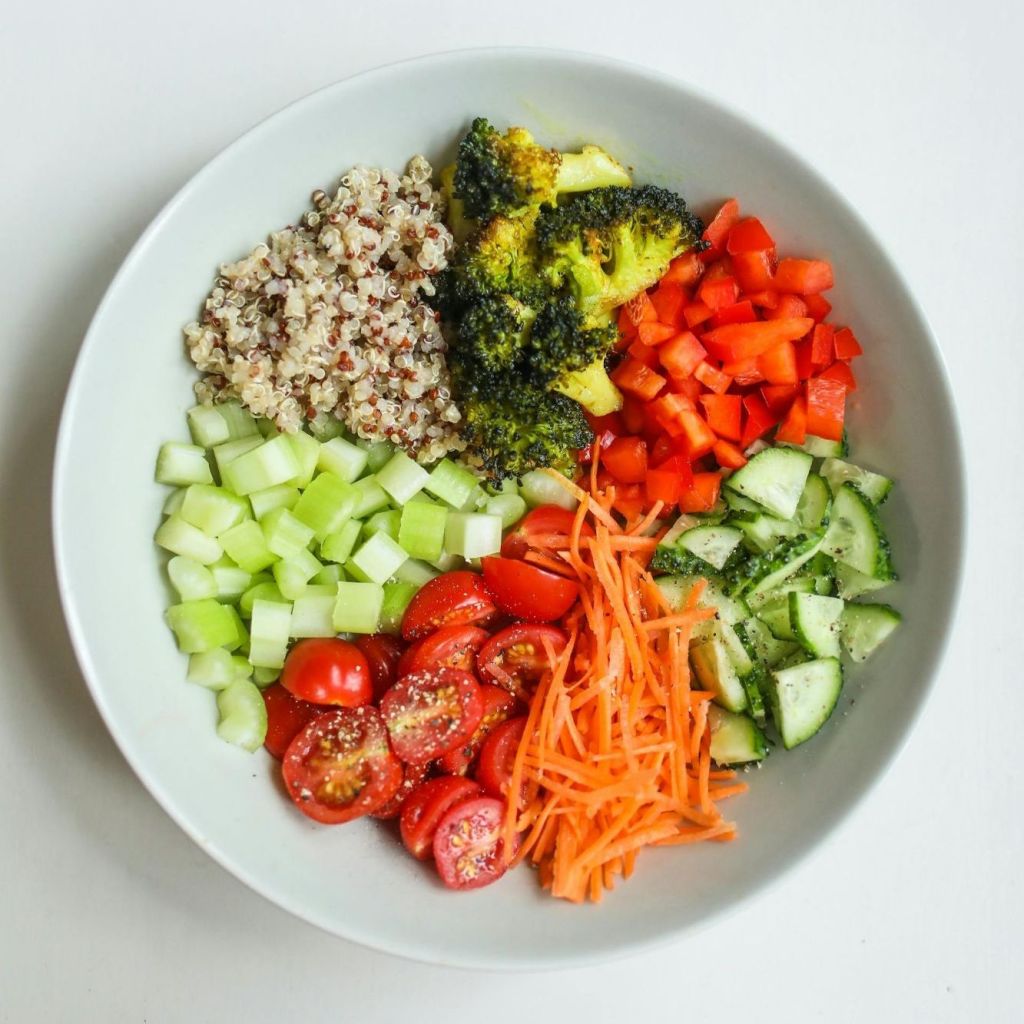



 Wordplant Healthy Living