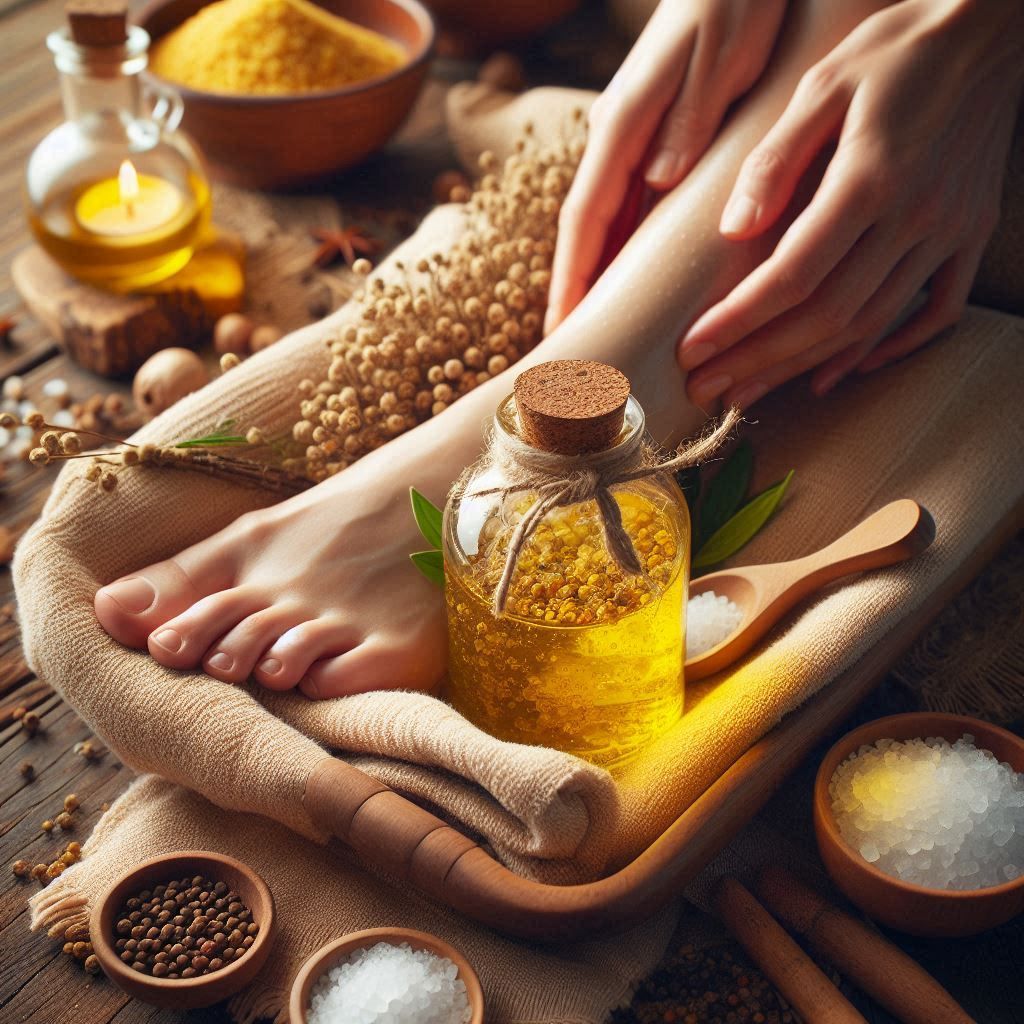
Mustard Oil and Sea Salt for Knee Pain Relief: A Natural Remedy You Need to Try!: Wordplant Living

Knee pain can be a debilitating condition that affects your daily life, making even the simplest tasks feel like climbing a mountain. Whether it’s due to arthritis, injury, or general wear and tear, finding effective relief is crucial. While there are countless over-the-counter medications and treatments available, many people are turning to natural remedies for a more holistic approach. One such remedy that has gained popularity is the combination of mustard oil and sea salt. In this article, we’ll explore how this dynamic duo can help alleviate knee pain, backed by examples and exciting insights!

Understanding Knee Pain

Before diving into the benefits of mustard oil and sea salt, it’s essential to understand the common causes of knee pain. Some of the most prevalent causes include:

Osteoarthritis: A degenerative joint disease that occurs when the cartilage cushioning the knee joint wears down over time.
Rheumatoid Arthritis: An autoimmune condition that causes inflammation in the joints, leading to pain and stiffness.
Injuries: Sprains, strains, and tears can result from sports activities or accidents.
Tendinitis: Inflammation of the tendons around the knee, often due to overuse.

Regardless of the cause, knee pain can significantly impact your quality of life. This is where natural remedies like mustard oil and sea salt come into play.

The Power of Mustard Oil

Mustard oil, derived from the seeds of the mustard plant, has been used for centuries in traditional medicine. It is rich in omega-3 fatty acids, antioxidants, and anti-inflammatory properties, making it an excellent choice for pain relief. Here’s how mustard oil can help with knee pain:

1. Anti-Inflammatory Properties

Mustard oil contains compounds like allyl isothiocyanate, which have potent anti-inflammatory effects. When applied topically, it can help reduce swelling and inflammation in the knee joint. A study published in the *Journal of Medicinal Food* found that mustard oil significantly reduced inflammation in animal models, suggesting its potential for human use.

2. Improved Blood Circulation

The warming effect of mustard oil can enhance blood circulation in the affected area. Improved blood flow means more oxygen and nutrients reach the tissues, promoting healing. A simple massage with mustard oil can stimulate circulation and provide relief from pain.

3. Pain Relief

Mustard oil has been traditionally used as a natural pain reliever. Its warming sensation can help soothe sore muscles and joints. Many people report feeling immediate relief after massaging their knees with mustard oil.

Example: A Personal Story

Take the case of Sarah, a 55-year-old woman who struggled with knee pain due to osteoarthritis. After trying various medications with little success, she decided to give mustard oil a try. She warmed some mustard oil and massaged it into her knees daily. Within a week, she noticed a significant reduction in pain and swelling, allowing her to return to her favorite activities, like gardening and walking her dog.

The Benefits of Sea Salt

Sea salt, harvested from evaporated seawater, is not just a seasoning for your meals; it also offers numerous health benefits. Here’s how sea salt can complement mustard oil for knee pain relief:

1. Mineral-Rich Composition

Sea salt is packed with essential minerals like magnesium, calcium, and potassium, which are vital for joint health. These minerals can help strengthen bones and reduce inflammation, making them an excellent addition to your knee pain relief regimen.

2. Detoxification

Soaking in a warm bath with sea salt can help detoxify the body and reduce muscle tension. The magnesium in sea salt is known to relax muscles and alleviate pain, making it a perfect companion to mustard oil.

3. Enhanced Absorption

When combined with mustard oil, sea salt can enhance the absorption of the oil’s beneficial properties. The salt helps open up the pores in the skin, allowing the mustard oil to penetrate deeper and provide more effective relief.

Example: A Soothing Bath

Imagine coming home after a long day, your knees aching from all the activity. You fill your bathtub with warm water and add a cup of sea salt. As you soak, the warm water relaxes your muscles, while the sea salt works its magic. After just 20 minutes, you step out feeling rejuvenated, with significantly less pain in your knees.

How to Use Mustard Oil and Sea Salt for Knee Pain Relief

Now that you understand the benefits of mustard oil and sea salt, let’s explore how to use them effectively for knee pain relief.

1. Mustard Oil Massage

Ingredients:
– 2 tablespoons of mustard oil
– A few drops of essential oil (optional, for fragrance)

Instructions:
1. Warm the mustard oil in a small pan. Be careful not to overheat it; it should be warm, not hot.
2. If desired, add a few drops of your favorite essential oil for added benefits and fragrance.
3. Sit in a comfortable position and gently massage the warm oil into your knees using circular motions.
4. Focus on the areas that feel particularly sore or inflamed.
5. Leave the oil on for at least 30 minutes, or overnight for maximum effect.

2. Sea Salt Soak

Ingredients:
– 1 cup of sea salt
– Warm water (enough to fill your bathtub or a large basin)

Instructions:
1. Fill your bathtub or a large basin with warm water.
2. Add the sea salt and stir until it dissolves completely.
3. Soak your knees in the warm saltwater for 15-20 minutes.
4. After soaking, gently pat your knees dry and apply mustard oil for added relief.

3. Mustard Oil and Sea Salt Paste

Ingredients:
– 2 tablespoons of mustard oil
– 1 tablespoon of sea salt

Instructions:
1. In a small bowl, mix the mustard oil and sea salt to form a paste.
2. Apply the paste directly to your knees, focusing on the areas of pain.
3. Leave it on for 30 minutes before rinsing off with warm water.

Precautions and Considerations

While mustard oil and sea salt can be effective for knee pain relief, it’s essential to take some precautions:

Patch Test: Before using mustard oil, perform a patch test on a small area of skin to check for any allergic reactions.
Consult a Doctor: If you have severe knee pain or underlying health conditions, consult a healthcare professional before trying new remedies.
Avoid Open Wounds: Do not apply mustard oil or sea salt to open wounds or broken skin.

Conclusion

Knee pain can be a challenging condition to manage, but natural remedies like mustard oil and sea salt offer a promising solution. With their anti-inflammatory properties, ability to improve circulation, and mineral-rich composition, this dynamic duo can provide much-needed relief. Whether you choose to massage mustard oil into your knees, soak in a warm sea salt bath, or create a soothing paste, you’ll be taking a step toward a more comfortable and active life.

So why not give it a try? Join the countless individuals who have found relief through this natural remedy. Say goodbye to knee pain and hello to a more vibrant, pain-free life! Remember, your knees carry you through life—treat them well!
Wild Sage (Clerodendrum eriophylum) : Wordplant Living

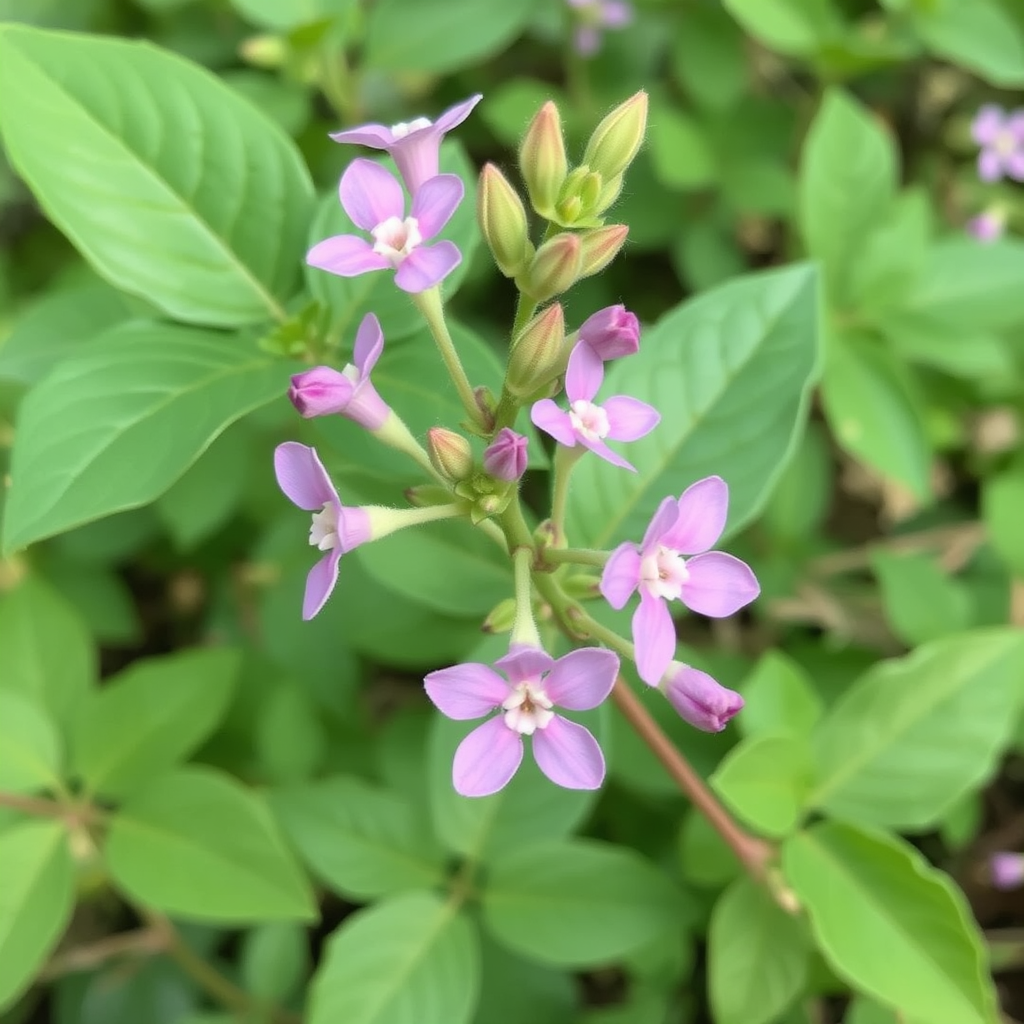
Clerodendrum eriophylum, commonly referred to as wild sage, is a plant species belonging to the family Lamiaceae. It is noteworthy for its aromatic leaves, traditional medicinal use, and ecological importance. This article delves into a comprehensive description of the plant, its nutritional aspects, medicinal benefits supported by scientific evidence, precautions for its use, and a summary of its overall viability and role in both traditional and modern contexts.

Description

Clerodendrum eriophylum is primarily known for its lush green foliage and aromatic properties. It is a perennial shrub that typically grows in tropical and subtropical regions, predominantly found in parts of Africa, Southeast Asia, and South America. Here are the key features:

– **Morphology**: The plant can grow between 1 to 3 meters tall. The stems are quadrangular, and the leaves are opposite, ovate to elliptic, measuring around 8 to 15 cm in length. The leaf surface is often slightly hairy, contributing to the aromatic nature of the plant.

– **Flowers**: The plant produces small, white to light blue flowers that are clustered in inflorescences. The flowers are tubular, with five lobes, and they bloom in cycles, attracting a variety of pollinators, including bees and butterflies.

– **Fruits**: The fruit is a small drupe that matures to a dark blue or purple color. Each fruit contains a single seed, which is dispersed by birds and other animals.

– **Habitat**: Wild sage typically thrives in well-drained soils and is often found in forested regions, along roadsides, and in disturbed areas where it can take advantage of available sunlight. It prefers humid conditions but can tolerate moderate drought.

Nutrition

Clerodendrum eriophylum is not widely recognized as a food source, but it possesses components that can be beneficial from a nutritional standpoint. The leaves, which are most commonly utilized, include various phytochemicals that could contribute to overall health.

– **Vitamins and Minerals**: While specific quantitative analyses are limited, wild sage leaves are believed to contain significant amounts of vitamins A and C, both of which are essential for immune function and skin health. The presence of iron, calcium, and magnesium may also be inferred from similar species in the Clerodendrum genus.

– **Phytochemicals**: The leaves contain various secondary metabolites, including flavonoids, tannins, and saponins. These compounds are known for their antioxidant, anti-inflammatory, and antimicrobial properties.

Despite these nutritional components, consumption of Clerodendrum eriophylum is generally rare and should be approached with caution unless advised by a knowledgeable expert.

Medicinal Benefits

Clerodendrum eriophylum has a long history of use in traditional medicine across different cultures. While many of its benefits are anecdotal, an increasing body of scientific research is beginning to validate some of these claims. Below are some notable medicinal uses:

1. **Anti-inflammatory Properties**: Various studies have indicated that extracts from Clerodendrum species exhibit significant anti-inflammatory effects. These properties can be attributed to the presence of flavonoids and other bioactive compounds. Inflammation is a common underlying factor in numerous chronic diseases, making this a pertinent area of exploration.

2. **Antioxidant Effects**: Oxidative stress contributes to aging and the development of various diseases, including cancer and cardiovascular disease. Research has shown that the phytochemicals in C. eriophylum provide substantial antioxidant activity, helping to neutralize free radicals in the body.

3. **Antimicrobial Activity**: Preliminary studies suggest that extracts of C. eriophylum exhibit antimicrobial properties against a range of pathogens, including bacteria and fungi. This aspect is very important in the context of increasing antibiotic resistance.

4. **Digestive Health**: Some traditional practices involve the use of wild sage leaves to alleviate digestive problems. The antimicrobial and anti-inflammatory properties could potentially aid in maintaining gut health and alleviating conditions like diarrhea.

5. **Respiratory Health**: The aromatic nature of the leaves and their volatile oils can serve as expectorants, relieving symptoms related to respiratory conditions, such as asthma and bronchitis. In traditional medicine, infusions made from the leaves are often consumed to help clear mucus and improve lung function.

6. **Hypotensive Effects**: Some studies have indicated that extracts of C. eriophylum may reduce blood pressure in animals. This is a crucial potential benefit given the prevalence of hypertension as a risk factor for various cardiovascular diseases.

Scientific Evidence

Fortunately, there have been a growing number of studies focused on the pharmacological properties of Clerodendrum eriophylum. This research has been essential in validating traditional uses and supporting further exploration to determine the underlying mechanisms behind its medicinal benefits.

– **Bioactive Compounds**: Various studies have identified significant phenolic compounds and flavonoids in the leaves and flowers of C. eriophylum, suggesting a strong potential for therapeutic uses. These compounds are often studied in isolation to determine their efficacy and safety.

– **Animal Studies**: Research has often been conducted using animal models to assess the effects of C. eriophylum extracts on inflammation, oxidative stress, and other biological markers. Results have consistently shown beneficial outcomes, contributing to the growing interest in this plant for potential pharmaceutical applications.

– **Clinical Trials**: To date, there have been limited randomized controlled trials in humans specifically focusing on Clerodendrum eriophylum. However, the existing animal studies provide a strong basis for further research needed to explore its effects in human populations.

Precautions

Though Clerodendrum eriophylum holds promise in terms of medicinal benefits, several precautions should be considered before its use:

1. **Limited Research**: Much of the knowledge about C. eriophylum is based on traditional use rather than extensive scientific investigation. As such, it is essential to approach its use cautiously, particularly when using extracts or supplements that are not standardized.

2. **Dosage and Preparation**: There is no established recommended dosage or standard preparation method. Overconsumption or improper preparation could lead to adverse effects, including gastrointestinal disturbances or allergic reactions.

3. **Pregnancy and Lactation**: There is insufficient evidence regarding the safety of C. eriophylum during pregnancy and breastfeeding. Women in these categories should consult healthcare professionals before considering its use.

4. **Interactions with Medications**: The plant may interact with medications, particularly those that are metabolized through the liver or those used for hypertension, anticoagulation, or diabetes. Always consult a healthcare provider before adding new herbal remedies to your routine.

5. **Allergic Reactions**: As with any plant, individuals may experience allergies or hypersensitivity reactions. A patch test is advisable, and those with known allergies to members of the Lamiaceae family should exercise caution.

Summary

Clerodendrum eriophylum, or wild sage, is a plant rich in potential benefits for health and wellness, evidenced by its long history of traditional use and a growing body of scientific research. While it is noted for its anti-inflammatory, antioxidant, antimicrobial, and hypotensive effects, the available literature suggests a need for more rigorous studies, particularly in human trials. The plant’s nutritional aspects also exhibit promise, but its use as a food source remains limited.

Despite its therapeutic potential, caution is warranted. The limited understanding of its safety profile calls for careful consideration, particularly for vulnerable populations such as pregnant women and individuals on medication. As the interest in herbal medicine continues to grow, understanding the benefits and risks associated with C. eriophylum is crucial.

In summary, while Clerodendrum eriophylum holds promise as a natural remedy, it is essential to approach its use with awareness of existing research and potential health implications, and under the guidance of healthcare professionals. Continued investigation into this plant will be vital to unlocking its full therapeutic potential and ensuring safe and effective use in modern medicine and herbal practices.

Hibiscus Tea: A Natural Ally in Blood Pressure Management – Wordplant Healthy Living

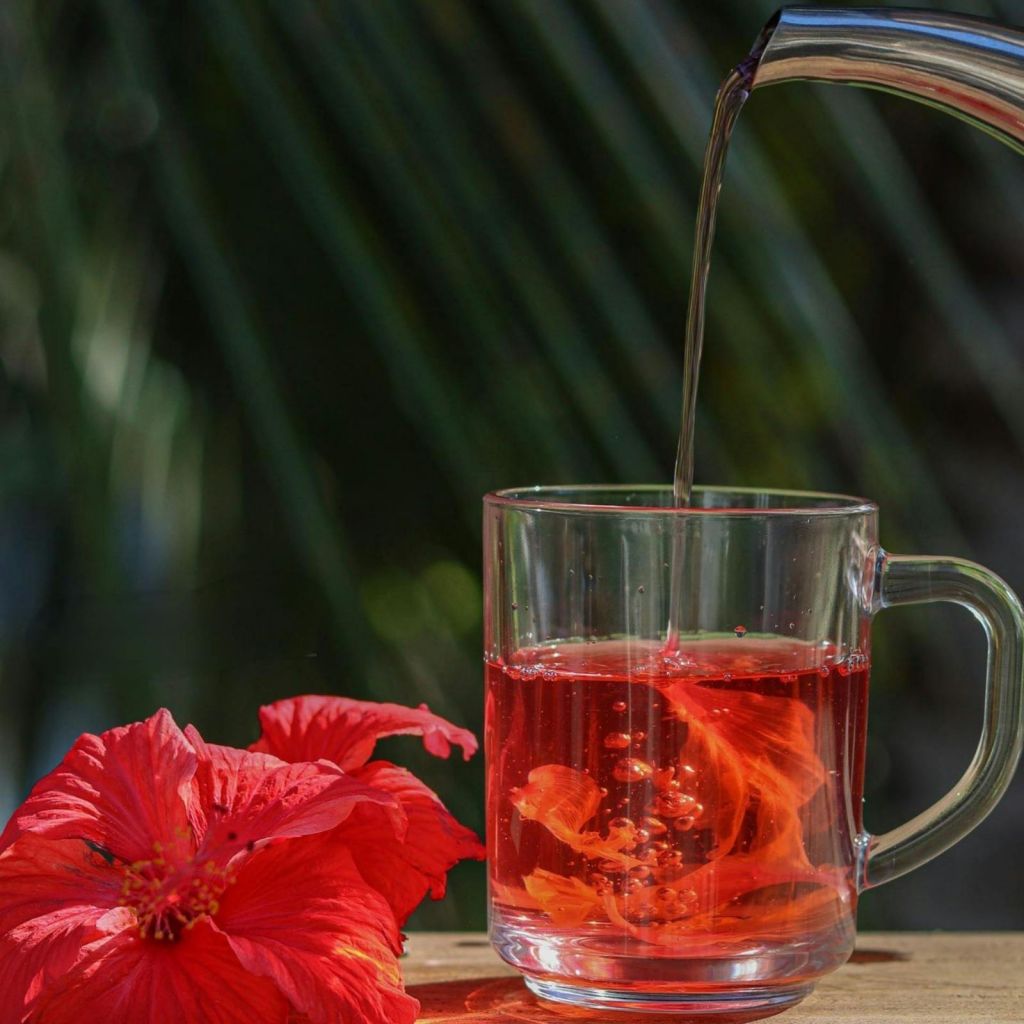
Hibiscus tea, derived from the dried petals of the Hibiscus sabdariffa plant, has gained popularity not only for its vibrant color and tart flavor but also for its potential health benefits. Among these, one of the most significant is its ability to help manage blood pressure. This article delves into the science behind hibiscus tea, its effects on blood pressure, and how it can be incorporated into a healthy lifestyle.

The Science Behind Hibiscus Tea

Hibiscus tea is rich in antioxidants, particularly anthocyanins, which are responsible for its deep red color. These compounds have been studied for their potential health benefits, including anti-inflammatory and anti-hypertensive properties. The tea is also a source of vitamin C and other essential nutrients, making it a nutritious beverage choice.

Mechanism of Action

Research suggests that hibiscus tea may lower blood pressure through several mechanisms:

1. Vasodilation: The anthocyanins in hibiscus tea may promote the relaxation of blood vessels, leading to improved blood flow and reduced blood pressure.

2. Diuretic Effect: Hibiscus tea has mild diuretic properties, which can help the body eliminate excess sodium and fluid, further contributing to lower blood pressure levels.

3. Inhibition of Angiotensin-Converting Enzyme (ACE): Some studies indicate that hibiscus extract may inhibit ACE, an enzyme that plays a crucial role in regulating blood pressure. By inhibiting this enzyme, hibiscus tea may help prevent the constriction of blood vessels.

Research Findings

Numerous studies have explored the relationship between hibiscus tea consumption and blood pressure reduction. A systematic review and meta-analysis published in the *Journal of Nutrition* in 2015 analyzed several clinical trials and found that hibiscus tea significantly reduced both systolic and diastolic blood pressure in individuals with prehypertension and mild hypertension.

Key Studies

1. A 2010 Study: Conducted by researchers at the University of Texas, this study involved 65 participants with high blood pressure. Those who consumed three cups of hibiscus tea daily for six weeks experienced a significant reduction in both systolic and diastolic blood pressure compared to the control group.

2. A 2015 Study: Published in the Journal of Hypertension, this research involved 75 participants with prehypertension. The results showed that those who drank hibiscus tea daily for four weeks had a notable decrease in blood pressure levels, with some participants achieving normal blood pressure readings.

3. A 2019 Study: This study focused on the effects of hibiscus tea on individuals with metabolic syndrome. The findings indicated that regular consumption of hibiscus tea not only lowered blood pressure but also improved lipid profiles and reduced markers of inflammation.

Incorporating Hibiscus Tea into Your Diet

Preparation

Making hibiscus tea is simple and can be done using dried hibiscus petals, which are readily available in health food stores or online. Here’s a basic recipe:

Ingredients:
– 1 cup of dried hibiscus petals
– 4 cups of water
– Sweetener (optional, such as honey or stevia)
– Lemon or lime (optional, for added flavor)

Instructions:
1. Boil the water in a pot.
2. Add the dried hibiscus petals and reduce the heat.
3. Let it simmer for about 15-20 minutes.
4. Strain the tea into a pitcher and let it cool.
5. Serve chilled or warm, adding sweetener and citrus if desired.

Daily Consumption

To reap the potential blood pressure-lowering benefits, aim to consume 1-3 cups of hibiscus tea daily. However, it’s essential to consult with a healthcare professional, especially if you are on medication for hypertension, as hibiscus tea may interact with certain medications.

Potential Side Effects and Considerations

While hibiscus tea is generally safe for most people, there are some considerations to keep in mind:

1. Blood Pressure Levels: Individuals with low blood pressure should exercise caution, as hibiscus tea may further lower blood pressure.

2. Pregnancy and Breastfeeding: Pregnant and breastfeeding women should consult their healthcare provider before consuming hibiscus tea, as its effects during pregnancy are not well-studied.

3. Medication Interactions: Hibiscus tea may interact with certain medications, particularly those for hypertension and diabetes. Always consult with a healthcare provider before adding hibiscus tea to your routine if you are on medication.

4. Allergic Reactions: Some individuals may be allergic to hibiscus. If you experience any adverse reactions, discontinue use and consult a healthcare professional.

Lifestyle Factors for Blood Pressure Management

While hibiscus tea can be a beneficial addition to a blood pressure management plan, it should not be viewed as a standalone solution. A holistic approach that includes dietary changes, physical activity, and stress management is essential for optimal health.

Dietary Changes

1. Reduce Sodium Intake: High sodium consumption is linked to elevated blood pressure. Aim to limit processed foods and opt for fresh, whole foods.

2. Increase Potassium-Rich Foods: Foods high in potassium, such as bananas, sweet potatoes, and spinach, can help balance sodium levels and support healthy blood pressure.

3. Adopt a Heart-Healthy Diet: The Mediterranean diet, rich in fruits, vegetables, whole grains, lean proteins, and healthy fats, has been shown to promote cardiovascular health.

Physical Activity

Regular physical activity is crucial for maintaining healthy blood pressure levels. Aim for at least 150 minutes of moderate-intensity aerobic exercise each week, such as brisk walking, cycling, or swimming. Incorporating strength training exercises at least twice a week can also be beneficial.

Stress Management

Chronic stress can contribute to high blood pressure. Incorporating stress-reducing practices such as mindfulness, meditation, yoga, or deep-breathing exercises can help manage stress levels and promote overall well-being.

Conclusion

Hibiscus tea is a flavorful and nutritious beverage that offers potential health benefits, particularly in managing blood pressure. With its rich antioxidant content and various mechanisms of action, hibiscus tea can be a valuable addition to a heart-healthy lifestyle. However, it is essential to approach blood pressure management holistically, incorporating dietary changes, regular physical activity, and stress management techniques. As always, consult with a healthcare professional before making significant changes to your diet or lifestyle, especially if you have existing health conditions or are taking medication. By embracing a comprehensive approach to health, you can harness the benefits of hibiscus tea while promoting overall well-being.