
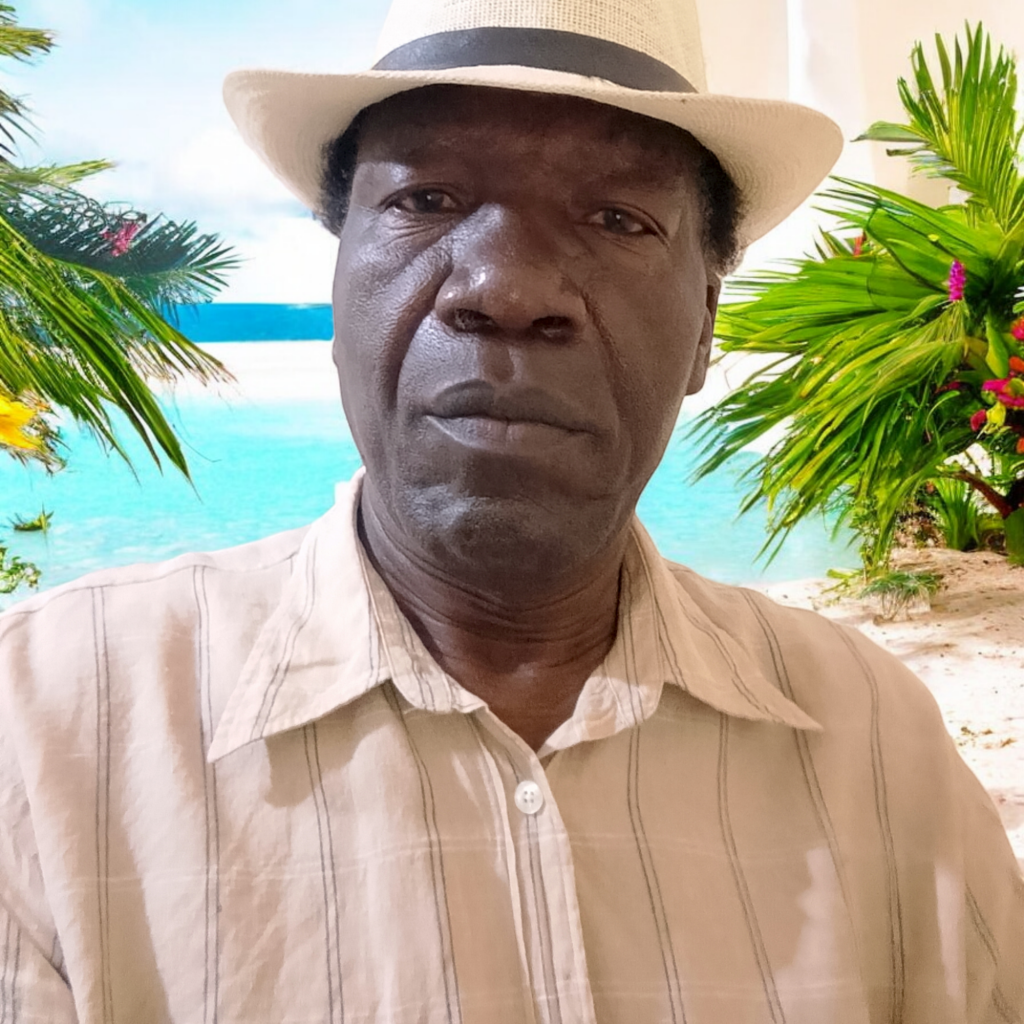
In 2016, I found myself at a crossroads in my life. At the age of 56, I was diagnosed with osteoarthritis, a degenerative joint disease that had begun to take a toll on my daily activities and overall quality of life. The pain was relentless, and the thought of relying on pharmaceuticals for the rest of my life was daunting. I knew I had to take control of my health, and I embarked on a journey to explore natural remedies that would help me manage my condition. This is the story of my successful battle against osteoarthritis using natural methods.
Understanding Osteoarthritis
Before diving into my journey, it’s essential to understand what osteoarthritis is. It is a chronic condition characterized by the breakdown of cartilage in the joints, leading to pain, stiffness, and reduced mobility. Commonly affected areas include the knees, hips, hands, and spine. The diagnosis was a wake-up call for me, as I realized that I needed to make significant lifestyle changes to manage my symptoms effectively.
The Turning Point
The turning point came during a particularly painful episode in early 2016. I was struggling to get out of bed, and the thought of facing another day filled with discomfort was overwhelming. I had been prescribed non-steroidal anti-inflammatory drugs (NSAIDs), but I was wary of their long-term effects. I decided to seek alternative solutions and began researching natural remedies for osteoarthritis.
The Research Phase
My research led me to a wealth of information about various natural remedies, dietary changes, and lifestyle modifications that could help alleviate my symptoms. I discovered that many people had found success with holistic approaches, and I was inspired to try them for myself. I focused on three main areas: diet, exercise, and mindfulness.
Dietary Changes
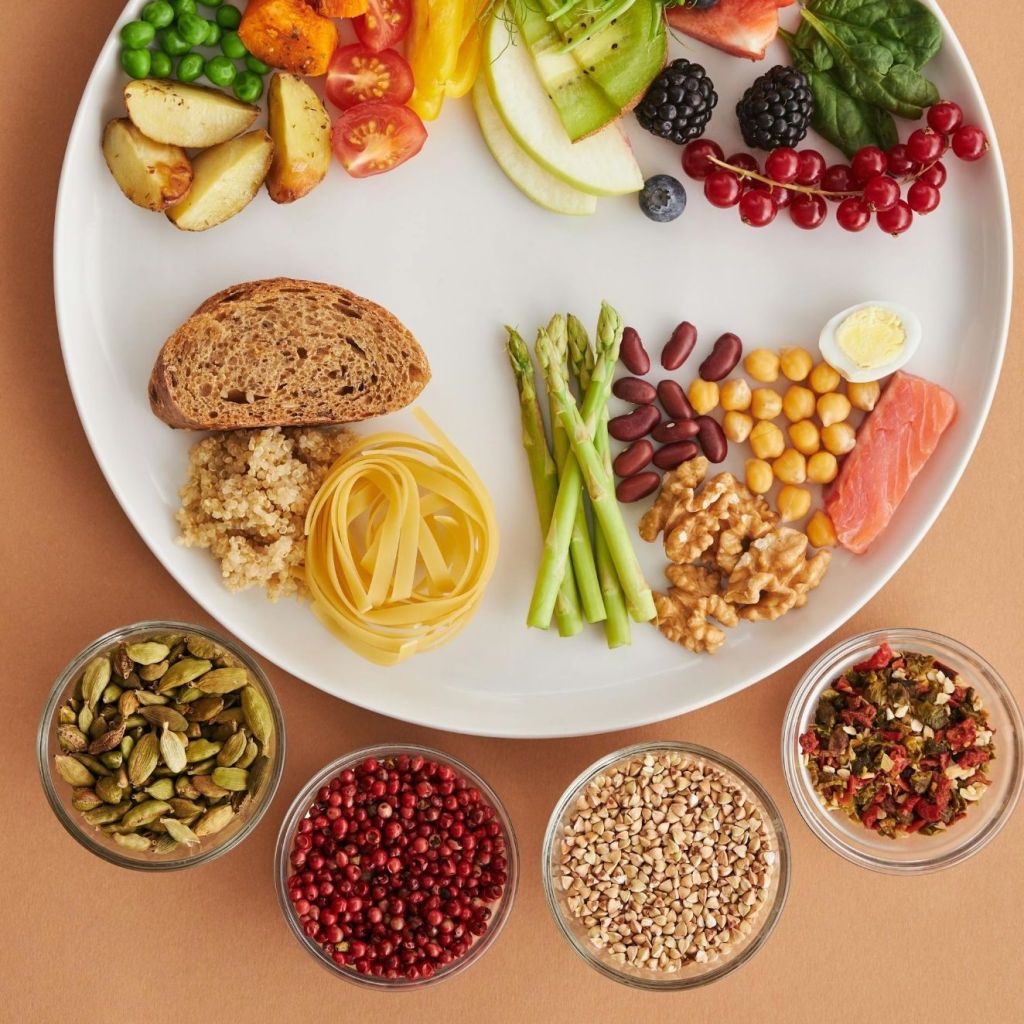
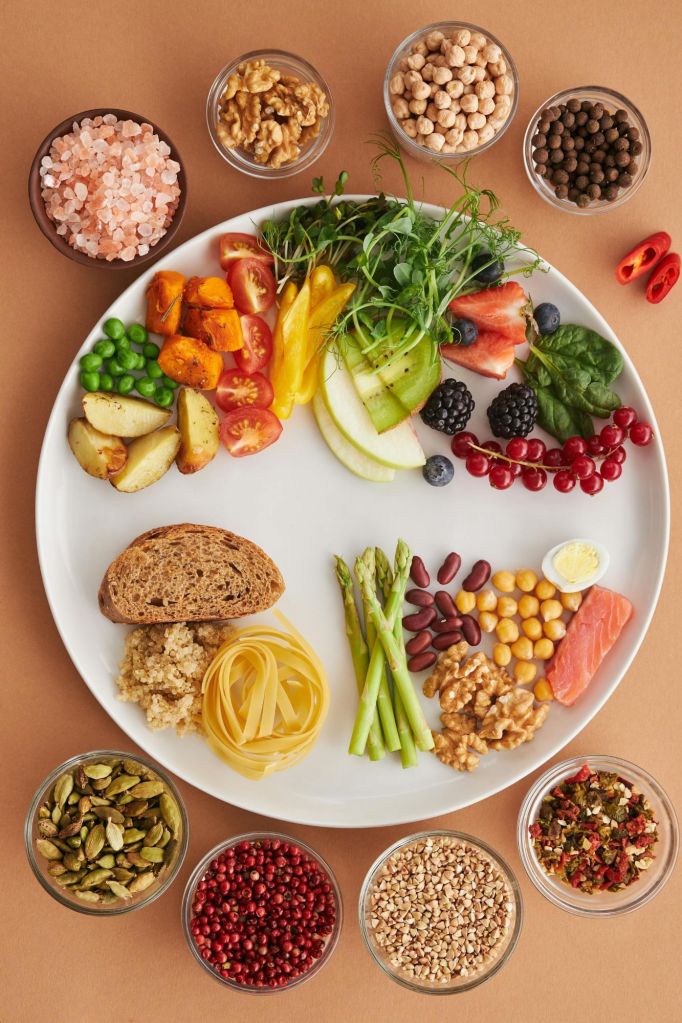
I learned that what I put into my body could significantly impact my joint health. I began by eliminating processed foods, refined sugars, and unhealthy fats from my diet. Instead, I embraced a whole-foods approach, incorporating plenty of fruits, vegetables, whole grains, lean proteins, and healthy fats.
I also discovered the anti-inflammatory properties of certain foods. Turmeric, ginger, and omega-3 fatty acids became staples in my kitchen. I started adding turmeric to my smoothies and soups, and I made ginger tea to sip throughout the day. I also began taking a high-quality fish oil supplement to boost my omega-3 intake.
Exercise and Movement
While the thought of exercising with osteoarthritis was intimidating, I knew that staying active was crucial for maintaining joint health. I consulted with a physical therapist who specialized in arthritis management. Together, we developed a gentle exercise routine that included low-impact activities such walking.
I started swimming three times a week, which provided a fantastic full-body workout without putting stress on my joints. I also joined a local yoga class, where I learned to focus on flexibility and strength. The combination of these activities not only helped reduce my pain but also improved my overall mood and energy levels.
Mindfulness and Stress Management
I soon realized that managing stress was just as important as diet and exercise. Chronic stress can exacerbate inflammation and pain, so I began incorporating mindfulness practices into my daily routine. I started meditating for ten minutes each morning, focusing on my breath and visualizing my joints as healthy and pain-free.
I also explored other relaxation techniques, such as deep breathing exercises and progressive muscle relaxation. These practices helped me cultivate a sense of calm and resilience, allowing me to better cope with the challenges of living with osteoarthritis.
The Transformation
As the months went by, I began to notice significant improvements in my symptoms. By mid-2016, I had more energy, reduced pain levels, and increased mobility. I was able to engage in activities I had previously avoided, such as dancing with friends. The transformation was nothing short of miraculous, and I felt empowered by my ability to take charge of my health.
Building a Support Network
Throughout my journey, I realized the importance of having a support network. I connected with others who were also battling osteoarthritis through online forums and local support groups. Sharing experiences, tips, and encouragement with like-minded individuals provided me with a sense of community and motivation.
I also sought guidance from holistic health practitioners, including a nutritionist and an physiotherapists. Their expertise helped me fine-tune my approach and explore additional natural remedies that complemented my existing regimen.
Celebrating Milestones
As I continued to make progress, I celebrated small milestones along the way. I remember the first time I was able to walk for an hour without pain or discomfort. It felt like a victory, and I treated myself to a spa day to acknowledge my hard work and dedication. These celebrations kept me motivated and reminded me of how far I had come.
The Power of Education
One of the most empowering aspects of my journey was the knowledge I gained about osteoarthritis and natural remedies. I became an advocate for myself, asking questions and seeking information from healthcare professionals. I learned to read labels, understand the ingredients in my food, and make informed choices that aligned with my health goals.
I also began sharing my story with others, hoping to inspire those who were struggling with similar challenges. I started a blog to document my journey, sharing recipes, exercise tips, and mindfulness practices that had worked for me. The feedback I received from readers was heartwarming, and it fueled my passion for helping others.
I also came across a book called ‘ The Osteoarthritis Cure’ by Dr Theodosakis. I really learnt a lot from this book and it also contributed a lot to my program.
Looking Ahead
As I reflect on my journey in 2016, I am filled with gratitude for the lessons I learned and the progress I made. While osteoarthritis is a chronic condition that requires ongoing management, I have developed the tools and strategies to live a fulfilling life. I continue to prioritize my health by maintaining a balanced diet, staying active, and practicing mindfulness.
In the years since my initial diagnosis, I have remained committed to my natural approach. I have explored new remedies, such as essential oils and herbal supplements, and I am always eager to learn more. My journey has taught me that healing is not a destination but a continuous process of growth and self-discovery.
Conclusion
My successful journey in battling osteoarthritis with natural remedies in 2016 was a transformative experience that reshaped my life. By embracing dietary changes, staying active, and practicing mindfulness, I was able to regain control over my health and well-being. I encourage anyone facing similar challenges to explore natural remedies and take charge of their journey. With determination, education, and support, it is possible to live a vibrant and fulfilling life, even in the face of chronic conditions like osteoarthritis.
- Mustard Oil and Sea Salt for Knee Pain Relief: A Natural Remedy You Need to Try!: Wordplant LivingKnee pain can be a debilitating condition that affects your daily life, making even the simplest tasks feel like climbing a mountain. Whether it’s due to arthritis, injury, or general wear and tear, finding effective relief is crucial. While there are countless over-the-counter medications and treatments available, many people are turning to natural remedies for …
- Open Communication in a Couple’s Relationship: The Key to Lasting Love: Wordplant LivingIn any romantic relationship, open communication is the cornerstone of a healthy and lasting partnership. Whether you’re newlyweds or have been together for years, fostering an environment where both partners feel comfortable expressing their thoughts and feelings can significantly enhance your connection. In this blog post, we’ll explore the importance of open communication in a …
- Embracing Holistic Wellness: A Journey to Wholeness: Wordplant LivingThe concept of holistic wellness has emerged as a beacon of hope and balance. But what exactly is holistic wellness? It’s more than just a buzzword; it’s a comprehensive approach to health that considers the whole person—mind, body, and spirit. In this article, we’ll explore the principles of holistic wellness, its benefits, and practical ways …
Continue reading Embracing Holistic Wellness: A Journey to Wholeness: Wordplant Living
- Transform Your Life with Personalized Wellness: Wordplant Living NewsletterWordplant Newsletter Dear Wordplant Community, Welcome to this week’s edition of Wordplant, where we explore the transformative power of personalized wellness! In a world filled with one-size-fits-all solutions, we believe that true health and well-being come from understanding and nurturing your unique self. What is Personalized Wellness Personalized wellness is an approach that tailors health …
Continue reading Transform Your Life with Personalized Wellness: Wordplant Living Newsletter
- Wild Sage (Clerodendrum eriophylum) : Wordplant LivingClerodendrum eriophylum, commonly referred to as wild sage, is a plant species belonging to the family Lamiaceae. It is noteworthy for its aromatic leaves, traditional medicinal use, and ecological importance. This article delves into a comprehensive description of the plant, its nutritional aspects, medicinal benefits supported by scientific evidence, precautions for its use, and a …
Continue reading Wild Sage (Clerodendrum eriophylum) : Wordplant Living

 Wordplant Healthy Living