
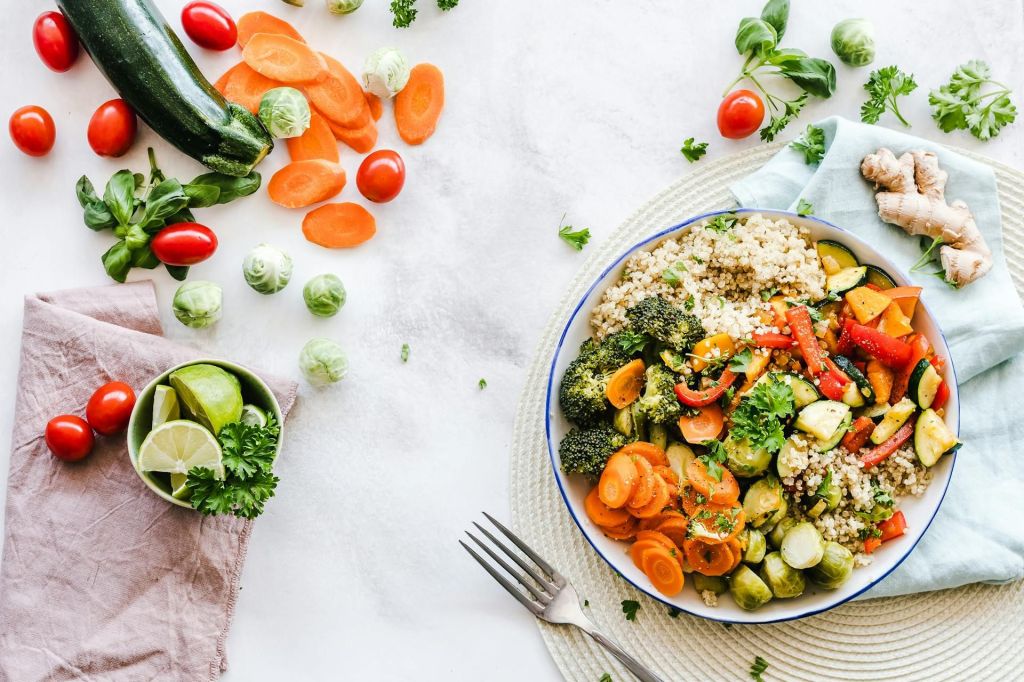
Losing weight can often feel like a daunting task, but understanding the right foods to eat can make the journey more manageable and enjoyable. This article will explore the best dietary choices for weight loss, focusing on nutrient-dense foods, portion control, and sustainable eating habits.
Understanding Weight Loss
Before diving into specific foods, it’s essential to understand the basic principle of weight loss: creating a calorie deficit. This means consuming fewer calories than your body expends. However, not all calories are created equal. The quality of the food you eat plays a significant role in your overall health and weight loss success.
Nutrient-Dense Foods
When aiming to lose weight, prioritize nutrient-dense foods that provide essential vitamins and minerals without excessive calories. Here are some categories of foods to consider:
1. Fruits and Vegetables
Fruits and vegetables are low in calories and high in fiber, making them excellent choices for weight loss. They help you feel full while providing essential nutrients.
– Leafy Greens: Spinach, kale, and Swiss chard are low in calories and high in fiber, which can help reduce hunger.
– **Berries**: Strawberries, blueberries, and raspberries are rich in antioxidants and fiber, making them a sweet yet healthy snack.
– Cruciferous Vegetables: Broccoli, cauliflower, and Brussels sprouts are filling and can be incorporated into various dishes.
2. Lean Proteins
Protein is crucial for weight loss as it helps build and repair tissues and keeps you feeling full longer. Opt for lean protein sources to minimize calorie intake.
– Chicken Breast: Skinless chicken breast is a versatile and low-fat protein source.
– **Fish**: Salmon, mackerel, and sardines are rich in omega-3 fatty acids and protein.
– Legumes: Beans, lentils, and chickpeas are excellent plant-based protein sources that also provide fiber.
3. Whole Grains
Whole grains are more nutritious than refined grains and can help regulate blood sugar levels, keeping hunger at bay.
– Quinoa: A complete protein that is gluten-free and high in fiber.
– Brown Rice: A whole grain that provides energy and essential nutrients.
– Oats: High in soluble fiber, oats can help lower cholesterol and keep you feeling full.
4. Healthy Fats
Incorporating healthy fats into your diet can help you feel satisfied and reduce cravings.
– Avocado: Rich in monounsaturated fats and fiber, avocados can be added to salads or smoothies.
– Nuts and Seeds: Almonds, walnuts, chia seeds, and flaxseeds are nutrient-dense and can be consumed in moderation.
– Olive Oil: A healthy fat that can be used in cooking or as a salad dressing.
Portion Control
Even when eating healthy foods, portion control is vital for weight loss. Here are some strategies to help manage portion sizes:
1. Use Smaller Plates
Using smaller plates can trick your brain into thinking you are eating more than you are, helping to reduce overall calorie intake.
2. Mindful Eating
Practice mindful eating by paying attention to your hunger cues and savoring each bite. This can help prevent overeating and promote a healthier relationship with food.
3. Pre-portion Snacks
Instead of eating directly from a bag, pre-portion snacks into smaller containers. This can help you avoid mindless snacking and keep your calorie intake in check.
Meal Planning and Preparation
Planning your meals in advance can help you make healthier choices and avoid last-minute temptations. Here are some tips for effective meal planning:
1. Create a Weekly Menu
Plan your meals for the week, including breakfast, lunch, dinner, and snacks. This can help you stay organized and ensure you have healthy options available.
2. Batch Cooking
Prepare large batches of healthy meals and freeze portions for later. This can save time and make it easier to stick to your weight loss goals.
3. Healthy Substitutions
Make healthier substitutions in your favorite recipes. For example, use Greek yogurt instead of sour cream or whole grain pasta instead of white pasta.
Hydration
Staying hydrated is essential for overall health and can aid in weight loss. Sometimes, our bodies confuse thirst with hunger, leading to unnecessary snacking. Here are some hydration tips:
1. Drink Water Before Meals
Drinking a glass of water before meals can help you feel fuller and reduce the amount of food you consume.
2. Limit Sugary Drinks
Avoid sugary beverages like soda and fruit juices, which can add unnecessary calories. Opt for water, herbal teas, or black coffee instead.
3. Infuse Water with Flavor
If you find plain water boring, infuse it with fruits, herbs, or cucumber for a refreshing twist.
Sustainable Eating Habits
For long-term weight loss success, it’s crucial to adopt sustainable eating habits rather than relying on fad diets. Here are some strategies to help you maintain a healthy lifestyle:
1. Focus on Whole Foods
Prioritize whole, minimally processed foods over packaged and processed options. Whole foods are generally more nutritious and lower in calories.
2. Listen to Your Body
Learn to recognize your body’s hunger and fullness signals. Eat when you’re hungry and stop when you’re satisfied.
3. Allow for Treats
Incorporate occasional treats into your diet to prevent feelings of deprivation. Moderation is key; enjoy your favorite foods without guilt.
Conclusion
Losing weight is a journey that requires patience, commitment, and a focus on healthy eating habits. By prioritizing nutrient-dense foods, practicing portion control, and adopting sustainable eating habits, you can achieve your weight loss goals while enjoying a variety of delicious foods. Remember, it’s not just about losing weight; it’s about creating a healthier lifestyle that you can maintain for years to come. Always consult with a healthcare professional or a registered dietitian before making significant changes to your diet, especially if you have underlying health conditions.

- Mustard Oil and Sea Salt for Knee Pain Relief: A Natural Remedy You Need to Try!: Wordplant LivingKnee pain can be a debilitating condition that affects your daily life, making even the simplest tasks feel like climbing a mountain. Whether it’s due to arthritis, injury, or general wear and tear, finding effective relief is crucial. While there are countless over-the-counter medications and treatments available, many people are turning to natural remedies for …
- Open Communication in a Couple’s Relationship: The Key to Lasting Love: Wordplant LivingIn any romantic relationship, open communication is the cornerstone of a healthy and lasting partnership. Whether you’re newlyweds or have been together for years, fostering an environment where both partners feel comfortable expressing their thoughts and feelings can significantly enhance your connection. In this blog post, we’ll explore the importance of open communication in a …
- Embracing Holistic Wellness: A Journey to Wholeness: Wordplant LivingThe concept of holistic wellness has emerged as a beacon of hope and balance. But what exactly is holistic wellness? It’s more than just a buzzword; it’s a comprehensive approach to health that considers the whole person—mind, body, and spirit. In this article, we’ll explore the principles of holistic wellness, its benefits, and practical ways …
Continue reading Embracing Holistic Wellness: A Journey to Wholeness: Wordplant Living
- Transform Your Life with Personalized Wellness: Wordplant Living NewsletterWordplant Newsletter Dear Wordplant Community, Welcome to this week’s edition of Wordplant, where we explore the transformative power of personalized wellness! In a world filled with one-size-fits-all solutions, we believe that true health and well-being come from understanding and nurturing your unique self. What is Personalized Wellness Personalized wellness is an approach that tailors health …
Continue reading Transform Your Life with Personalized Wellness: Wordplant Living Newsletter
- Wild Sage (Clerodendrum eriophylum) : Wordplant LivingClerodendrum eriophylum, commonly referred to as wild sage, is a plant species belonging to the family Lamiaceae. It is noteworthy for its aromatic leaves, traditional medicinal use, and ecological importance. This article delves into a comprehensive description of the plant, its nutritional aspects, medicinal benefits supported by scientific evidence, precautions for its use, and a …
Continue reading Wild Sage (Clerodendrum eriophylum) : Wordplant Living
 Wordplant Healthy Living